 admin
adminOptimizing your cross-border strategy is the best way to ensure your trucking company remains a leader in the competitive Alberta market. Moving freight between Canada and the U.S. in 2026 requires more than just a reliable fleet; it requires a deep understanding of the evolving digital and regulatory landscape.
For a premier trucking company in Edmonton like Lubana Trucking, staying ahead means mastering three specific areas: compliance, technology, and local visibility.
Strategic Tips for Cross-Border Freight in 2026
The logistics corridor between Edmonton and the United States is one of the busiest in North America. To keep your wheels turning without delays at the border, focus on these modernized strategies.
1. Master the Digital Border with eManifest
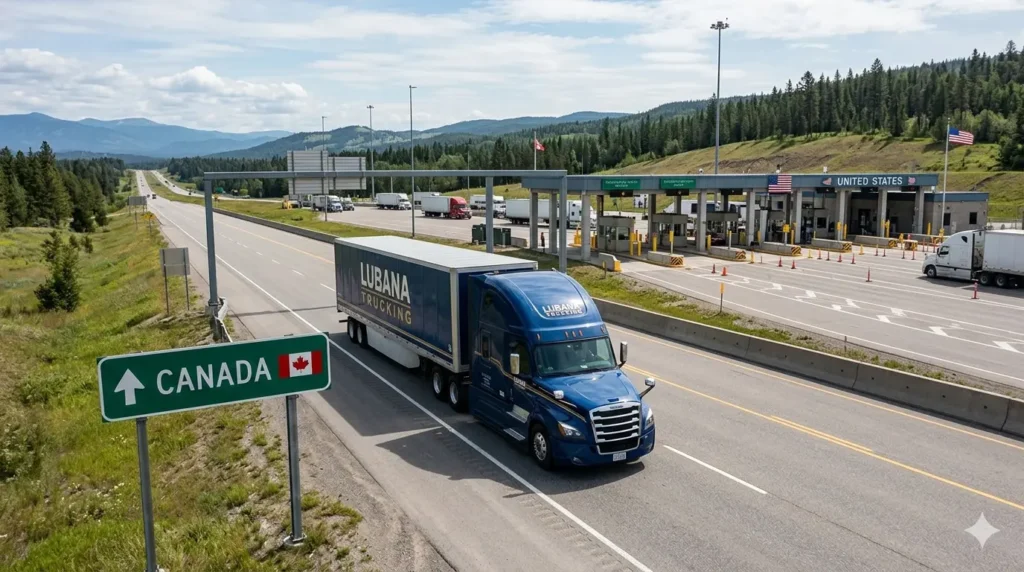
In 2026, manual paperwork is a thing of the past. The Canada Border Services Agency (CBSA) and U.S. Customs and Border Protection (CBP) now rely almost exclusively on electronic data. For a trucking company in Edmonton moving goods south, ensuring your eManifest is filed and accepted hours before your driver reaches the Port of Coutts or North Portal is non-negotiable. This prevents costly “gate-turns” and keeps your delivery schedules intact.
2. Leverage Real-Time AI Tracking
Shippers today expect total transparency. Lubana Trucking utilizes advanced tracking software to provide real-time supply chain visibility. This technology does more than just show a dot on a map; it analyzes traffic patterns, predicts border wait times, and automatically alerts clients of any potential disruptions. In the modern SEO landscape, promoting these tech-forward capabilities helps a trucking company rank for “high-value logistics” search queries.
3. Prioritize C-TPAT and PIP Certifications
Security is the highest priority for cross-border trade. Maintaining certifications like the Customs-Trade Partnership Against Terrorism (C-TPAT) and Partners in Protection (PIP) gives your trucking company access to “FAST” lanes. These dedicated lanes significantly reduce inspection frequencies, allowing your drivers to bypass long queues and deliver freight faster than uncertified competitors.
3 Essential Documents for Cross-Border Shipping
Proper documentation is the foundation of successful international transport. For a trucking company in Edmonton like Lubana Trucking, ensuring these forms are completed correctly is a top priority to avoid border holds.
- Canada Customs Invoice (CCI): This document is a requirement for commercial shipments entering Canada. It provides a comprehensive description of the goods, the country of origin, and the value, ensuring the shipment is properly assessed by customs officials.
- Bill of Lading (BOL): This is the primary contract between the shipper and the trucking company. It contains all the vital details of the shipment, including the destination, the weight of the cargo, and the handling requirements.
- USMCA Certificate of Origin: This form is used to certify that the goods being transported qualify for preferential tariff treatment under the U.S.-Mexico-Canada Agreement. It is a critical tool for reducing trade costs between the two nations.
Why Choose an Edmonton-Based Carrier?
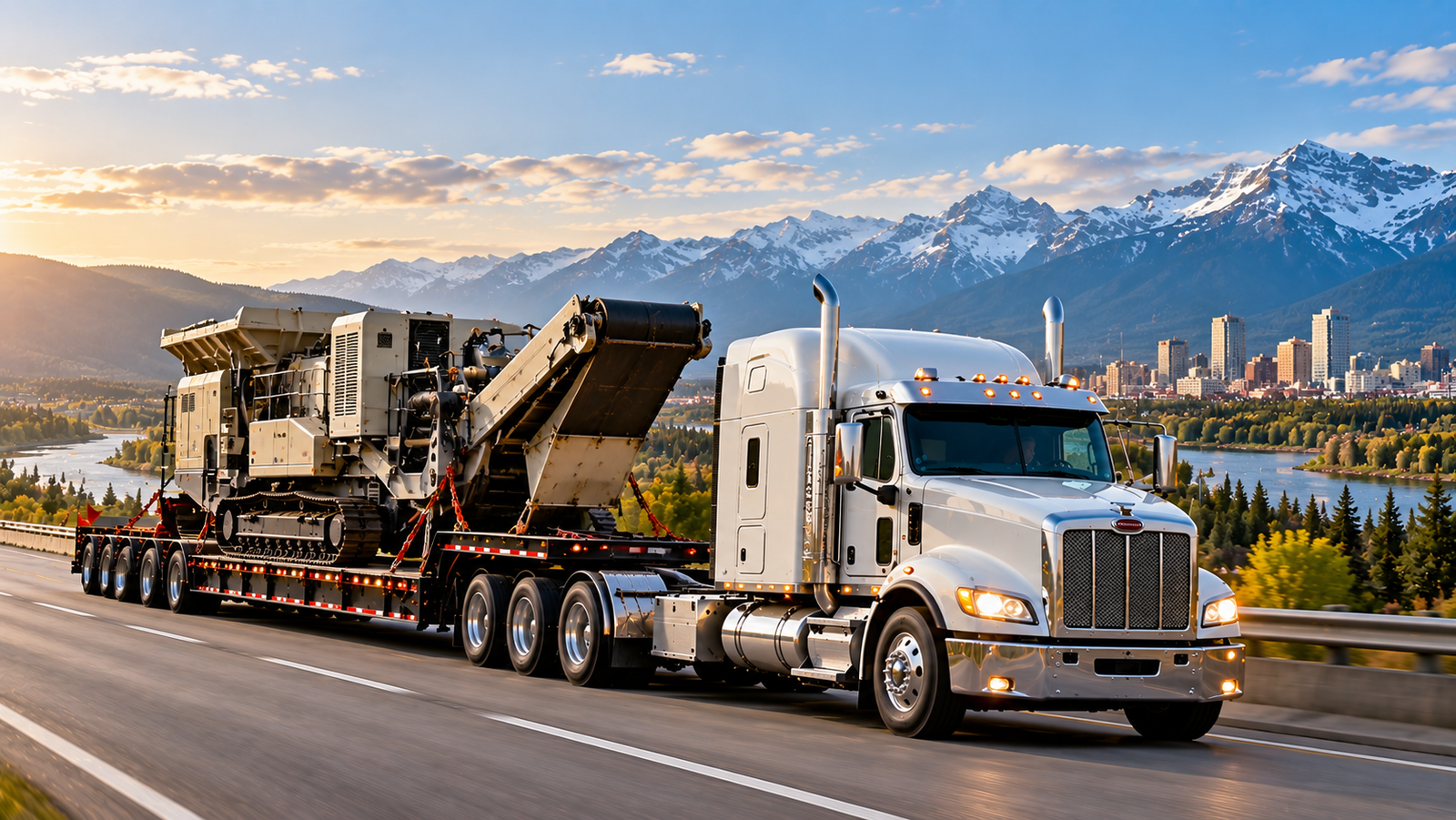
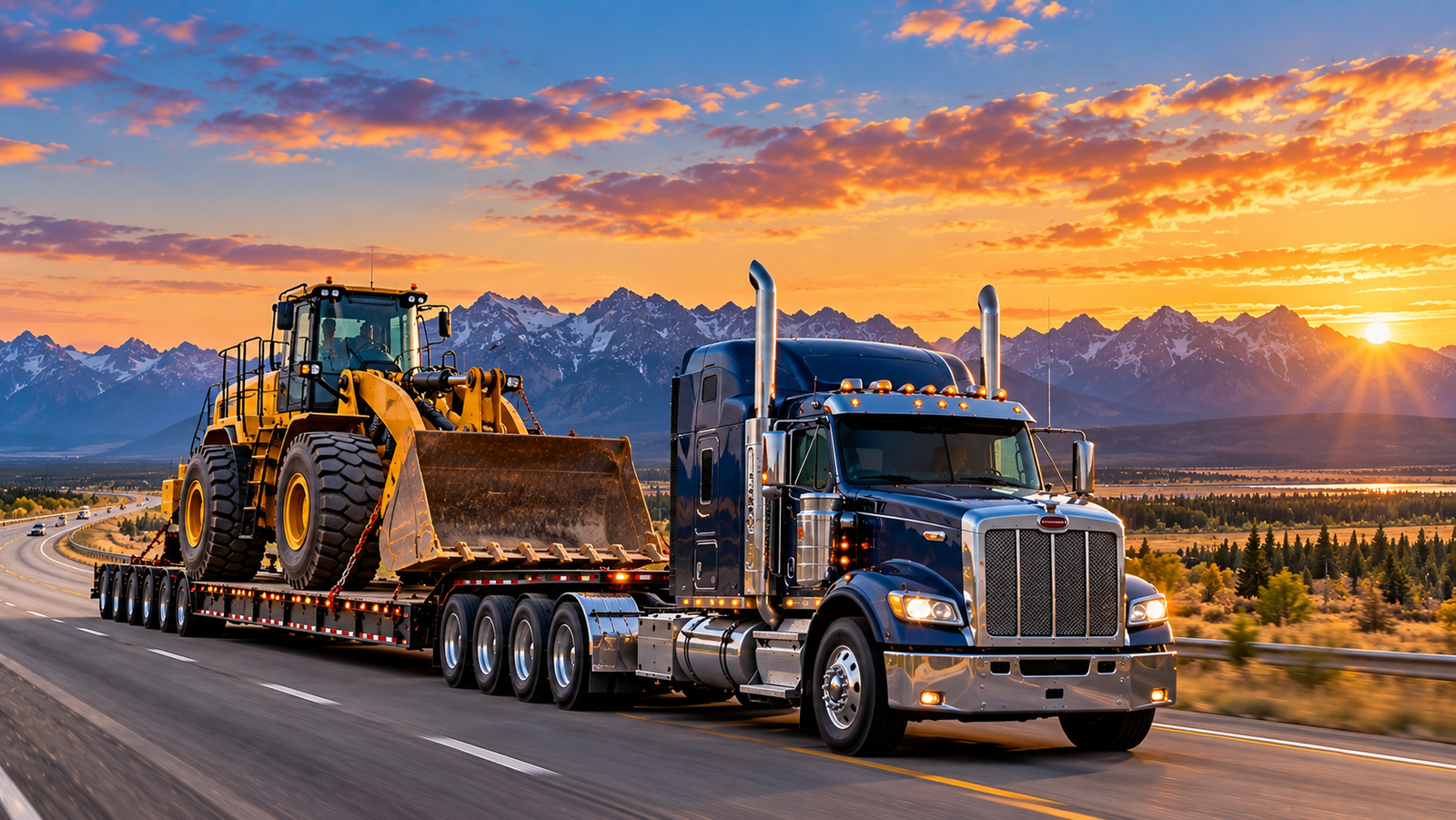
Working with a local trucking company in Edmonton provides a distinct advantage for Alberta businesses. Local carriers like Lubana Trucking understand the unique challenges of the northern climate and the specific logistics of the Western Canadian industrial sector. Whether you are moving oversized equipment for the energy industry or temperature-controlled goods for retail, choosing a partner with deep regional roots ensures your freight is handled by experts who know the routes and the regulations inside out.
By focusing on these high-quality logistics standards, your trucking company will not only provide real value to your clients but also maintain a dominant presence in search results for 2026 and beyond.
Frequently Asked Questions
For a smooth border crossing, a trucking company must provide several key documents, including a Bill of Lading, a Commercial Invoice, and an eManifest. For commercial goods, a Canada Customs Invoice is also typically required to provide customs officials with a clear description and the value of the products. Ensuring these are submitted electronically through the ACI (Advanced Commercial Information) system is essential for avoiding delays.
Selecting a trucking company in Edmonton, like Lubana Trucking, provides a significant geographical and operational advantage. Local carriers have first-hand experience with Alberta’s industrial requirements and the specific border crossings used for Western Canadian trade, such as Coutts/Sweetgrass. They are also better equipped to handle seasonal weather challenges that can impact delivery timelines.
When a trucking company is customs bonded, it has the authority to move freight past the border to an inland sufferance warehouse before the final customs clearance is completed. This is particularly useful if paperwork is still being processed or if the goods need to be inspected at a location closer to the final destination in Edmonton, preventing the truck from being stuck at the physical border.
The United States-Mexico-Canada Agreement (USMCA) allows many goods produced in North America to be shipped duty-free. To qualify, your trucking company must have a valid Certificate of Origin on file. In 2026, staying compliant with the latest rules-of-origin regulations is vital for minimizing trade costs and ensuring that your cross-border shipments remain economically competitive.
Efficiency at the border is largely driven by technology and pre-certification. A forward-thinking trucking company in Edmonton utilizes PAPS (Pre-Arrival Processing System) for U.S. entries and PARS (Pre-Arrival Review System) for Canadian entries. Additionally, carriers participating in trusted trader programs like C-TPAT or PIP can use dedicated FAST lanes to bypass standard commercial queues.