 admin
adminNot every shipment fits neatly inside an enclosed trailer. Steel beams may be too long. Construction equipment may be too wide. Industrial machinery can be difficult to load through standard trailer doors. Some freight simply has a shape, weight, or loading requirement that makes conventional transportation impractical.
That is where an experienced flatbed trucking company becomes valuable.
Flatbed transportation gives shippers greater flexibility for freight that needs open access during loading and unloading. But moving challenging cargo involves much more than putting it on a trailer and driving to the destination. Equipment selection, load distribution, securement, route planning, permits, weather protection, and communication can all affect the shipment.
For businesses in Edmonton and across North America, understanding this process can make it easier to plan heavy, oversized, and unusual freight with fewer surprises.
Why Some Freight Needs a Flatbed
A standard enclosed trailer works well for many palletized and packaged goods. The fixed walls and roof, however, create limits on how freight can be loaded and what dimensions can fit inside.
Flatbed trailers provide an open deck without permanent sides or a roof. This makes it possible to load freight from the side, rear, or, when appropriate, from above using equipment such as cranes.
This flexibility makes flatbed transportation useful for cargo such as:
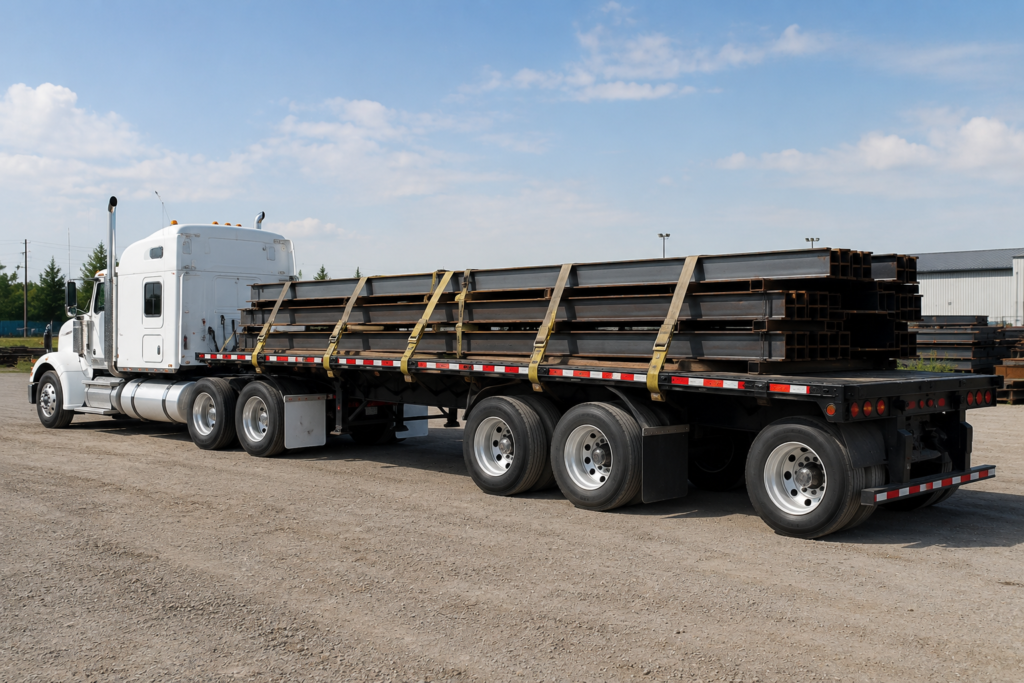
- Structural steel and beams
- Pipes and fabricated metal products
- Construction materials
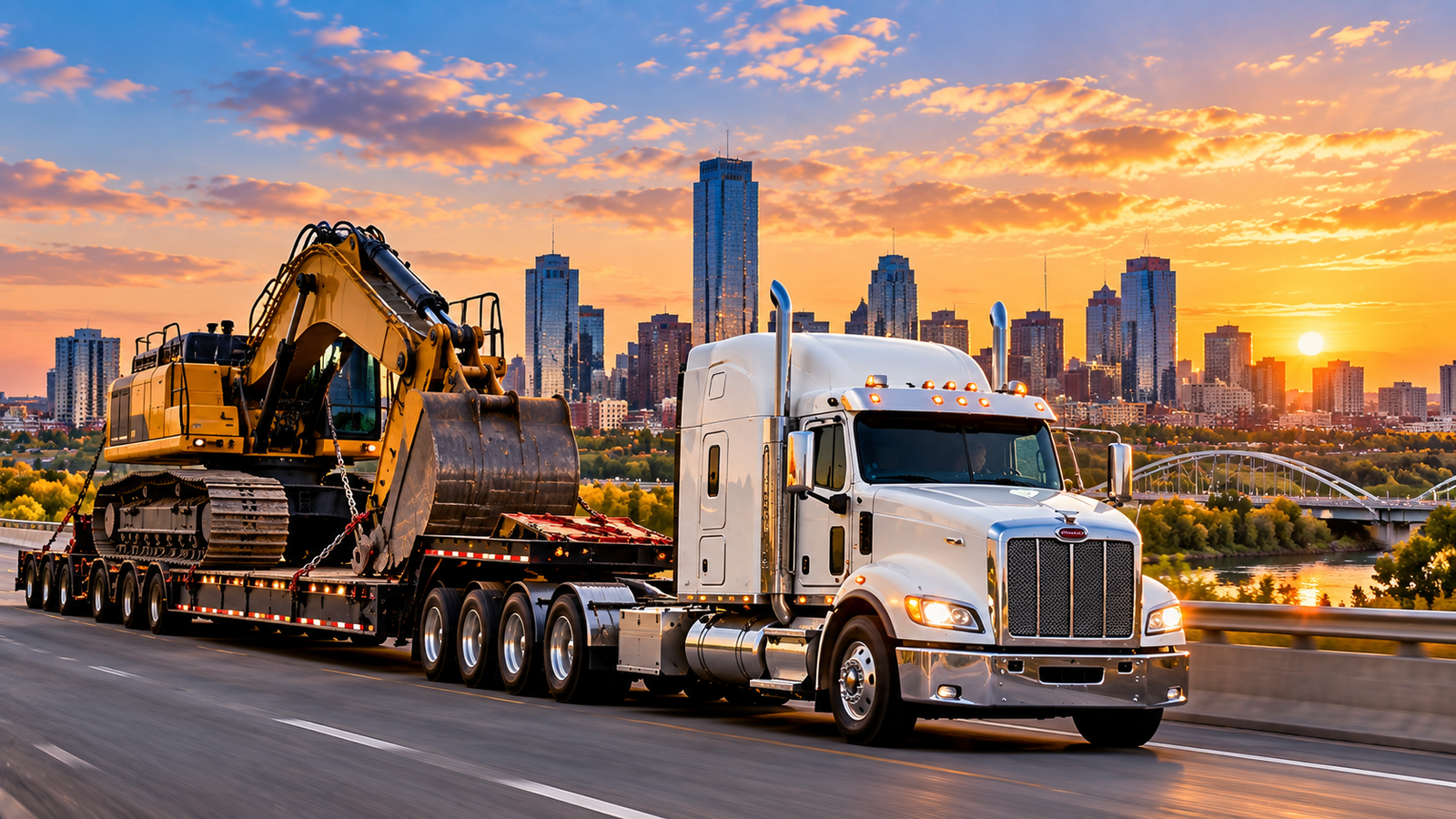
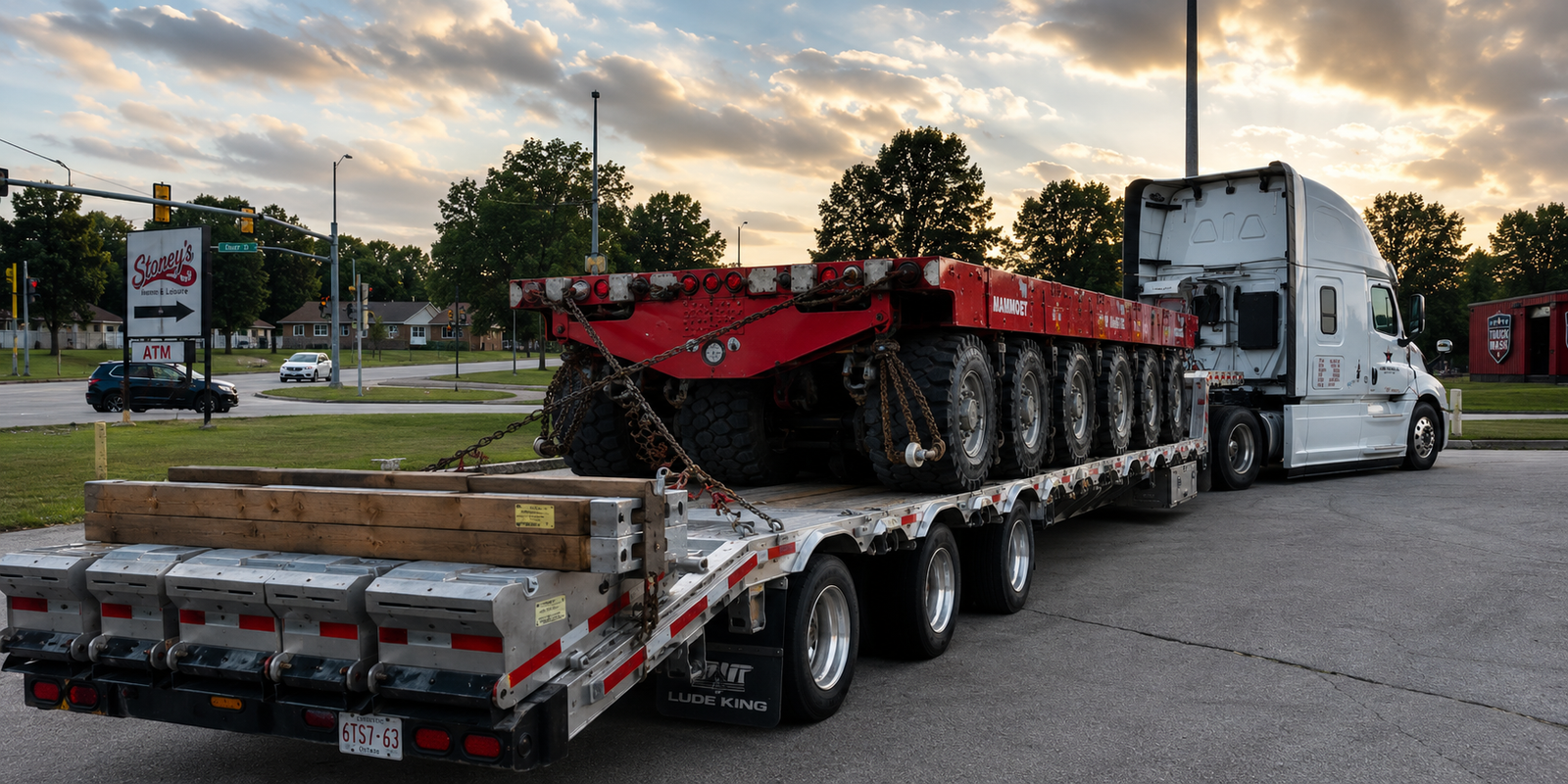
- Heavy machinery
- Industrial equipment
- Building components
- Large crates
- Agricultural equipment
- Oil and gas equipment
- Other freight that is difficult to accommodate in an enclosed trailer
Lubana Trucking provides flatbed hauling services for heavy, industrial, oversized, and specialized freight across Canada and the United States.
Heavy Freight: Weight Is Only Part of the Planning
When businesses hear “heavy freight,” the first concern is usually whether a truck can carry the weight. In practice, the total weight is only one part of the equation.
The way that weight is distributed across the trailer and vehicle axles also matters.
A shipment needs to be assessed before dispatch so the carrier can determine whether the planned equipment is suitable. Depending on the cargo, this may involve reviewing its weight, length, width, height, loading method, centre of gravity, and securement requirements.
This planning becomes particularly important for machinery and industrial equipment. Two pieces of freight with similar total weights may require very different transportation plans because their dimensions and weight distribution are different.
Alberta regulates commercial vehicle weights and dimensions to support road safety and protect highway infrastructure. Freight exceeding applicable legal limits can also require oversize or overweight permits.
A professional flatbed trucking company therefore looks beyond the question of “How heavy is it?” The better question is, “What is the safest and most practical way to transport this specific load?”
Wide Freight Requires More Preparation
Width can quickly turn a routine shipment into a more complex move.
Large fabricated components, machinery, construction equipment, tanks, and industrial materials may extend beyond normal dimensions. Once a shipment exceeds applicable legal limits, additional requirements can apply depending on the load and route.
This can affect:
- Permit requirements
- Route selection
- Travel conditions or restrictions
- Equipment choice
- Overall scheduling
That is why accurate dimensions are important before the truck arrives.
If a shipper provides an estimated width and the actual cargo is substantially different at pickup, the original transportation plan may no longer be appropriate. It can lead to delays while equipment, permits, or routing are reassessed.
Businesses can help prevent this by providing accurate measurements and freight details during the quotation and planning stage.
Unusual Freight Is Where Flatbed Flexibility Matters
Some loads aren’t exceptionally heavy or wide. They are simply awkward.
A long bundle of steel, irregularly shaped machinery, prefabricated structure, or equipment with protruding components may be difficult to load into a conventional trailer.
Flatbeds provide more loading flexibility because cargo can be accessed from multiple directions.
Imagine a large piece of machinery that cannot pass through the rear opening of a dry van. With an appropriate flatbed setup, loading equipment may be able to approach from the side or lift the cargo onto the deck from above.
This can simplify handling at industrial facilities, construction sites, manufacturing plants, and other locations where loading conditions vary.
For a truck transport company, however, flexibility still needs to be combined with careful planning. The cargo’s dimensions, weight, securement points, loading environment, and destination requirements should all be understood before transportation begins.
Securement Is a Critical Part of Flatbed Transportation
An open trailer places greater attention on proper cargo securement.
Chains, straps, binders, blocking, bracing, and other securement methods may be used depending on the freight. The appropriate approach depends on the characteristics of the specific load.
In Alberta, trucks with a licensed mass above 4,500 kg must secure cargo according to National Safety Code Standard 10. The standard is intended to prevent cargo from shifting, moving, or spilling during transportation.
Certain cargo categories also have specific requirements. Heavy vehicles and machinery, for example, are addressed separately within the cargo securement standard.
This is one reason businesses should evaluate a flatbed carrier based on more than availability and price. Experience with the type of freight being moved matters.
A properly planned shipment considers how the load will behave during braking, turns, road vibration, elevation changes, and normal highway travel.
Weather Protection Should Be Planned Before Pickup
Flatbed trailers are open, which creates an obvious question: what happens when cargo needs protection from rain, snow, road spray, or other exposure?
The answer depends on the freight.
Some industrial materials can travel safely on an open deck. Other shipments may require tarping or a different trailer configuration.
Lubana Trucking also operates Conestoga equipment, which can provide flexible loading access while offering protection for freight that should remain covered during transportation.
The important point for shippers is to communicate weather sensitivity early.
If machinery has exposed electrical components, finished materials must remain dry, or a product has special handling requirements, the carrier should know before equipment is assigned.
Good transportation planning starts before the freight reaches the trailer.
Route Planning Matters More for Challenging Loads
For standard freight, the most direct highway route may often be suitable. Oversized or unusually configured freight can require a more detailed approach.
The route may need to account for legal weight and dimension requirements, infrastructure limitations, permit conditions, and other operational factors.
Alberta notes that oversize and overweight permits are used to allow qualifying loads beyond established legal limits to move under specified conditions designed to protect safety and infrastructure.
For long-distance transportation, planning becomes even more important because requirements can vary by jurisdiction.
A flatbed shipment moving from Edmonton into another province or across the Canada-US border can involve more coordination than a local delivery.
This is where working with an established transportation provider can simplify the process.
Flatbed Trucking in Edmonton’s Industrial Economy
Edmonton and the surrounding region support construction, manufacturing, energy, warehousing, and other industries that regularly need commercial freight transportation.
Many of these shipments aren’t standard cartons or pallets.
A construction project may need structural material delivered to a jobsite. A manufacturer may need a large fabricated component moved to another facility. An industrial business may need machinery transported hundreds or thousands of kilometres.
Businesses searching for a trucking company Edmonton can therefore benefit from looking at the carrier’s actual equipment and freight capabilities rather than selecting a provider based only on general trucking services.
Lubana Trucking’s Edmonton operations include flatbed transportation for machinery, steel, construction materials, and industrial equipment, with freight services extending across Alberta, Canada, and the United States.
From Pickup to Delivery: What the Process Looks Like
A well-managed flatbed shipment starts before dispatch.
First, the carrier needs accurate freight information. This typically includes the commodity, dimensions, weight, pickup and delivery locations, and any special loading or handling requirements.
The transportation team can then determine suitable equipment and assess whether the shipment requires additional planning.
At pickup, the loading process needs to match the cargo and site conditions. Some freight may be forklift-loaded from the side. Other cargo may require a crane or other loading equipment.
Once positioned correctly, the freight is secured according to the applicable requirements and the characteristics of the load.
During transportation, the driver and carrier follow the operational requirements applicable to the shipment. At delivery, suitable unloading arrangements should be ready so the cargo can be removed efficiently.
The process may sound straightforward, but each step depends on the information and planning that came before it.
What Shippers Can Do to Avoid Flatbed Delays
Many transportation delays can be reduced before pickup.
Start by giving your carrier complete freight details. Don’t describe a piece of equipment simply as “large machinery.” Provide its actual dimensions and weight whenever possible.
Confirm how it will be loaded and unloaded. If a crane is required at one end and a forklift at the other, that information should be communicated.
Mention whether the freight needs protection from weather.
Also provide realistic pickup and delivery windows. Industrial facilities and construction sites may have restricted receiving hours, appointment requirements, or limited access.
Finally, tell the carrier about unusual characteristics. An uneven centre of gravity, fragile component, unusual shape, or restricted lifting point may change how the shipment should be handled.
The earlier these details are shared, the easier it is for the transportation provider to develop the right plan.
Flatbed Trucking and Towing Are Different Services
One search term that sometimes appears alongside commercial transportation queries is tow truck company Edmonton. However, towing and flatbed freight transportation serve different needs.
A tow truck company typically handles disabled, damaged, or relocated vehicles. A flatbed trucking company primarily moves commercial freight, machinery, construction materials, industrial equipment, and other cargo.
If your car has broken down, you generally need a towing provider.
If your business needs to move structural steel, industrial machinery, construction materials, or oversized commercial freight, you need a freight transportation company with the appropriate trailer, operating capability, and experience.
Understanding this distinction can help businesses contact the right provider and avoid unnecessary delays.
Why Experience Matters With Difficult Freight
Challenging freight leaves less room for poor planning.
With ordinary palletized goods, loading and transportation may be relatively routine. A 40-foot industrial component or unusually shaped machine creates a different set of considerations.
A capable flatbed trucking company should understand how equipment choice, load placement, securement, regulations, permits, routing, and delivery conditions work together.
It should also communicate clearly.
If the carrier needs exact dimensions, it should ask for them. If a load requires additional planning, the shipper should know before the scheduled pickup. If delivery conditions create a potential issue, it should be identified as early as possible.
Reliable freight transportation is not simply about getting a truck to the pickup location. It is about having the right plan for the cargo.
Moving Flatbed Freight Across Canada and the USA
For businesses shipping beyond Alberta, carrier coverage becomes another important consideration.
Lubana Trucking provides freight transportation across Canada and the United States and operates flatbed services from Edmonton with coverage that includes markets such as Houston, Laredo, Seattle, Atlanta, Vancouver, Montreal, and Kitimat. The company states that it is customs bonded in both Canada and the United States.
This broader network can be useful for businesses whose freight needs extend beyond a single city or province.
Instead of treating each shipment as an isolated move, businesses can work with a truck transport company capable of supporting local, long-distance, and cross-border freight requirements.
Choose the Right Plan for the Load
Heavy, wide, and unusual freight doesn’t have a single transportation solution.
The right approach depends on what you’re moving, where it’s going, how it will be loaded, its dimensions and weight, whether it needs weather protection, and what requirements apply along the route.
Flatbed transportation provides the flexibility needed for many of these challenging shipments, but the trailer itself is only one part of the service.
Planning, securement, compliance, equipment, communication, and experience are what turn a difficult load into a manageable transportation project.
Lubana Trucking has provided freight and logistics services since 2015 and supports flatbed, oversized, heavy-haul, dry van, temperature-controlled, brokerage, and cross-border transportation requirements.
If your business needs to move heavy machinery, steel, construction materials, industrial equipment, or freight that simply doesn’t fit inside a standard trailer, speak with Lubana Trucking about the load before scheduling transportation.