 admin
adminFinding the right team to move your freight is tough. Most of the time, people just look at the price quote and the delivery date. If the price looks low and they promise to get it there fast, it is tempting to just sign the contract. But looking only at the price can be a huge mistake. There is one massive detail that people often skip over, and that is the safety rating of the fleet.
A safety rating is not just a piece of paper for government inspectors. It tells you exactly how a business treats its trucks, its staff, and your cargo. If you hire a team with a bad record, you are taking a massive gamble with your own money and reputation.
Let us look at exactly why safety records matter so much when you hire a trucking company transportation specialist, and how it protects your business from major headaches.
Understanding the True Risks on the Road
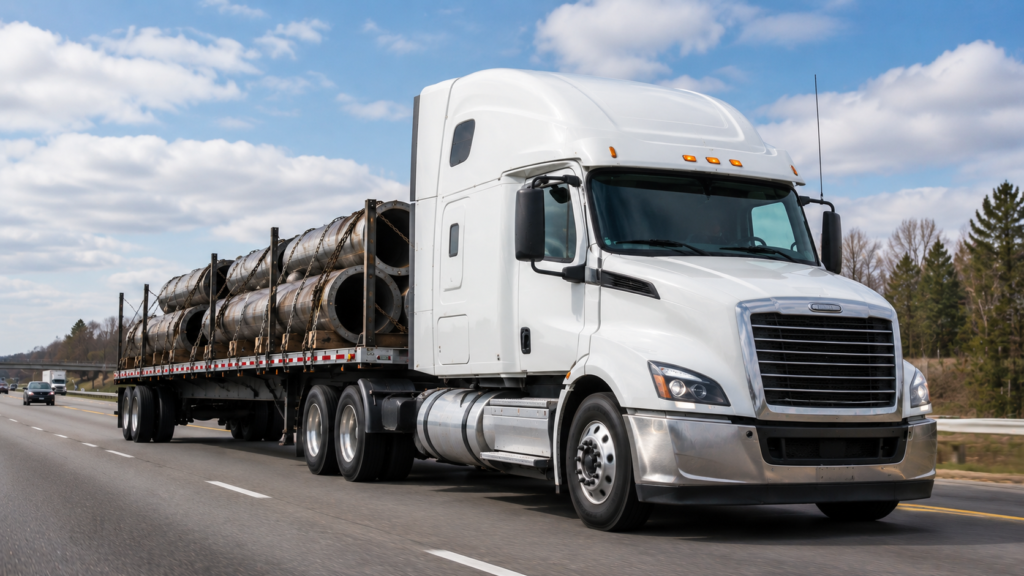
The open road is unpredictable. Traffic changes in a second, weather can turn bad instantly, and unexpected construction can ruin a tight schedule. When a truck carries regular freight, things can go wrong. But when you hire a specialized flatbed trucking company to haul heavy machinery, massive steel pipes, or oversized building materials, the danger climbs much higher.
If a load on a flatbed is not tied down perfectly, or if the straps are old and worn out, the cargo can shift on the highway. At high speeds, a shifting load can cause a truck to flip over or drop heavy materials onto the road. This does more than just destroy your goods; it causes major highway accidents.
A high safety rating gives you proof that the team checks their equipment before every single trip. It shows they buy strong, high-quality tie-downs and fix mechanical issues before the truck ever leaves the yard. When a business cares about safety, your cargo actually makes it to the destination in one piece.
Why a Safe Culture Matters for Drivers
You cannot run a great transport business without great people behind the wheel. Companies that have excellent safety scores usually have the best retention rates. This happens because a professional trucking company knows that driver comfort and road safety are connected.
Good trucking company drivers do not just know how to steer a large vehicle. They know how to handle defensive driving when other cars cut them off. They know how to steer through tight city streets without hitting curbs or light poles. Most importantly, they know how to manage their logbooks honestly.
When a transport business pushes its staff too hard, drivers get tired. A fatigued driver has slow reflexes and makes poor choices. Safe companies respect hours-of-service laws. They give their team enough time to rest between long shifts. By protecting their drivers from burnout, they protect your freight from costly human errors.
Avoiding the Legal Nightmare of Shared Liability
Many business owners do not realize that they can be blamed for a truck accident even if they do not own the truck. There is a legal rule called “negligent selection.” This means that if you hire a transport provider that already has a long history of safety violations, and that truck gets into an accident while hauling your products, the victims can sue your business too.
The courts will ask a simple question: “Did you check their safety record before you gave them your freight?” If the answer is no, your business could face massive fines and lawsuits. Checking the safety ratings before you hire anyone is a simple way to protect your own brand and keep your company out of court.
Dealing with Extreme Weather and Local Routes
Different parts of the country throw different challenges at a truck driver. For example, a trucking company Edmonton businesses hire has to deal with some of the worst winter weather on the continent. Driving a heavy truck through freezing rain, sudden whiteouts, and deep prairie snow requires specialized skills and heavy-duty maintenance.
If a carrier operates in these tough northern zones and still maintains a clean safety record, it means their entire system works perfectly. It means their dispatchers track the weather closely, their mechanics install top-grade winter tires, and their drivers know when to slow down. A strong safety score in a tough climate is the ultimate proof of capability.
The Real Cost of Cheap Shipping
A cheap shipping quote is always enticing. But you have to ask yourself why the quote is so low. Often, cut-rate carriers save money by skipping routine maintenance, buying cheap tires, or forcing their staff to work past legal limits.
When you look at it that way, a cheap quote is actually a huge risk. The money you save on the front end can instantly disappear if a truck breaks down on the side of the highway, leaving your customers waiting for days. Even worse, if the truck crashes, you lose the inventory entirely and ruin your business relationships. Spending a bit more on a highly-rated transport provider is simply smart budgeting.
How Broken Equipment Ruins Your Business Reputation
When a delivery is late, your client does not care about the excuses. They do not want to hear that a truck broke down on the highway or that a trailer tire popped. All they know is that their inventory is missing, their production line is stopped, or their store shelves are empty.
A carrier with a bad safety score usually has a high vehicle breakdown rate. This happens because they skip minor repairs to save a quick buck. A small air leak or a worn-out belt gets ignored until it snaps on a busy haul. By picking a carrier that passes every safety inspection, you ensure that their trucks are mechanically sound. This translates directly into reliable delivery schedules that keep your customers happy.
The Role of Technology in Modern Fleet Safety
Safety looks different today than it did twenty years ago. The best transport providers invest in modern tools to keep their trucks secure. They use electronic logging devices to track hours accurately, and they install forward-facing cameras to monitor road incidents.
Many modern fleets also use GPS tracking and roll-over warning systems. These tools give dispatchers real-time data about how a vehicle is being driven. If a driver takes a corner too fast or brakes too hard, the company finds out instantly and can step in to correct the behavior. When you look at safety scores, you are also looking at how willing a company is to adopt the best technology to protect your freight.
Insurance Claims and the Headache of Lost Cargo
Even if you have good cargo insurance, filing a claim is an absolute nightmare. It takes weeks of paperwork, phone calls, and arguments with adjusters to get your money back. During that time, your cash flow is tied up, and your client might walk away to find another supplier.
Preventing damage is always better than getting an insurance payout. A carrier with an excellent safety record rarely has to file cargo claims. Their drivers know how to secure freight properly, their trailers do not leak water during rainstorms, and their trucks stay on the road. Avoiding the insurance claims process altogether saves your office staff hours of stressful administrative work.
How to Check a Carrier’s Safety Record
You do not have to guess whether a transport business is safe or not. The information is out there for anyone to see. You can look up a provider’s safety data using government databases like the FMCSA’s SAFER system in the US, or provincial transport registries in Canada.
When you look at these records, look closely at their vehicle maintenance history and their driver compliance scores. If you see a pattern of bad brakes, broken lights, or logbook violations, take your business somewhere else. A truly professional transport provider will gladly share their safety record with you because they are proud of the work they do to keep the roads safe.
Building a Long-Term Logistics Partnership
Your supply chain should not rely on guesswork or constant provider switching. Shifting from one cheap carrier to another leads to inconsistent service and constant stress. The goal should always be to find a dependable partner that you can trust with your cargo year after year.
When you evaluate a carrier based on their safety record, you are looking for long-term stability. A company that prioritizes safety is building a business that lasts. They are not looking for quick shortcuts; they are looking to protect their reputation, their employees, and their clients over the long haul. That is exactly the kind of partner your business needs to grow.
Partner with an Industry Leader: Lubana Trucking
When it comes to verified safety, strict compliance, and reliable performance, Lubana Trucking sets the industry standard. We do not just talk about safety; we back it up with official industry certifications. Lubana Trucking Inc. is proud to be COR Certified, showcasing our deep commitment to workplace safety and elite operational excellence.
Furthermore, to guarantee the highest level of security for international shipping, we are officially CTPAT Certified (Customs Trade Partnership Against Terrorism). This certification allows our customers to enjoy faster border clearances and highly secure cross-border transit between Canada and the United States.
If you are looking for a transportation partner that treats your cargo with the utmost care, we offer a full suite of services tailored to your logistical needs:
- Dry Van Logistics: Secure, weatherproof transport for your retail goods, commercial manufacturing goods, and standard palletized freight across North America.
- Flatbed Trucking: Specialized transportation using heavy-duty equipment to safely haul construction materials, machinery, and industrial supplies.
- Oversized Load Transportation: Complete management of over-dimensional and heavy-haul freight, including route planning, specialized permits, and compliance management.
- Cross-Border Shipping: Seamless, customs-bonded freight movement between major hubs in Canada and the United States.
Don’t compromise your brand’s reputation with unverified carriers. Keep your supply chain moving smoothly with a certified, safety-first logistics team.
Contact Lubana Trucking Today for a reliable freight quote and professional transportation services you can count on.
Frequently Asked Questions (FAQs)
You do not have to rely on a carrier’s word alone. You can check a company’s safety records using public government databases. In the United States, use the Federal Motor Carrier Safety Administration (FMCSA) SAFER system database by entering the carrier’s USDOT number. In Canada, safety ratings are tracked provincially; for instance, you can request a carrier’s National Safety Code (NSC) profile to view their official safety standing, accident history, and inspection audit results.
A Conditional safety rating means a government audit found safety violations or gaps in compliance, but not enough to shut the company down. The carrier is allowed to operate while they fix the issues. However, hiring a conditional carrier poses a major risk. If they get into an accident while hauling your freight, your business could face severe legal liability for “negligent selection” because you willingly hired an operator with a flagged safety record.
Government transport authorities do not audit carriers on a fixed schedule. Instead, they use a targeted approach based on real-time data. If a carrier’s truck drivers frequently fail roadside inspections, pick up violations, or get into accidents, the system triggers a compliance review or intervention. Carriers with flawless roadside records might go several years without a formal audit, while struggling fleets are inspected frequently.
Yes, safety ratings directly impact operational costs. Carriers with high safety scores and official certifications (like COR) qualify for lower commercial insurance premiums. On the flip side, carriers with poor safety ratings pay massively inflated insurance costs or may even struggle to find coverage. When a carrier has cheap insurance costs due to good safety, they can pass those savings on to you via steady, competitive freight rates.
Cross-border shipping introduces strict customs and security rules. If a carrier lacks proper security clearance, your truck can face hours of intensive physical inspections at the border. This delay increases the risk of cargo tampering, theft, and temperature issues for perishable goods. Working with a CTPAT-certified carrier ensures the fleet meets strict anti-terrorism and physical security standards, granting them access to expedited lanes for fast, secure border crossings.
Your logistics contracts should always include a safety compliance clause. This clause gives you the right to immediately pause or terminate your agreement if the carrier’s safety rating drops below an acceptable standard (such as falling from “Satisfactory” to “Conditional”). You should also set up automatic tracking alerts using logistics monitoring software so your supply chain team is notified the moment a carrier faces a major safety downgrade.