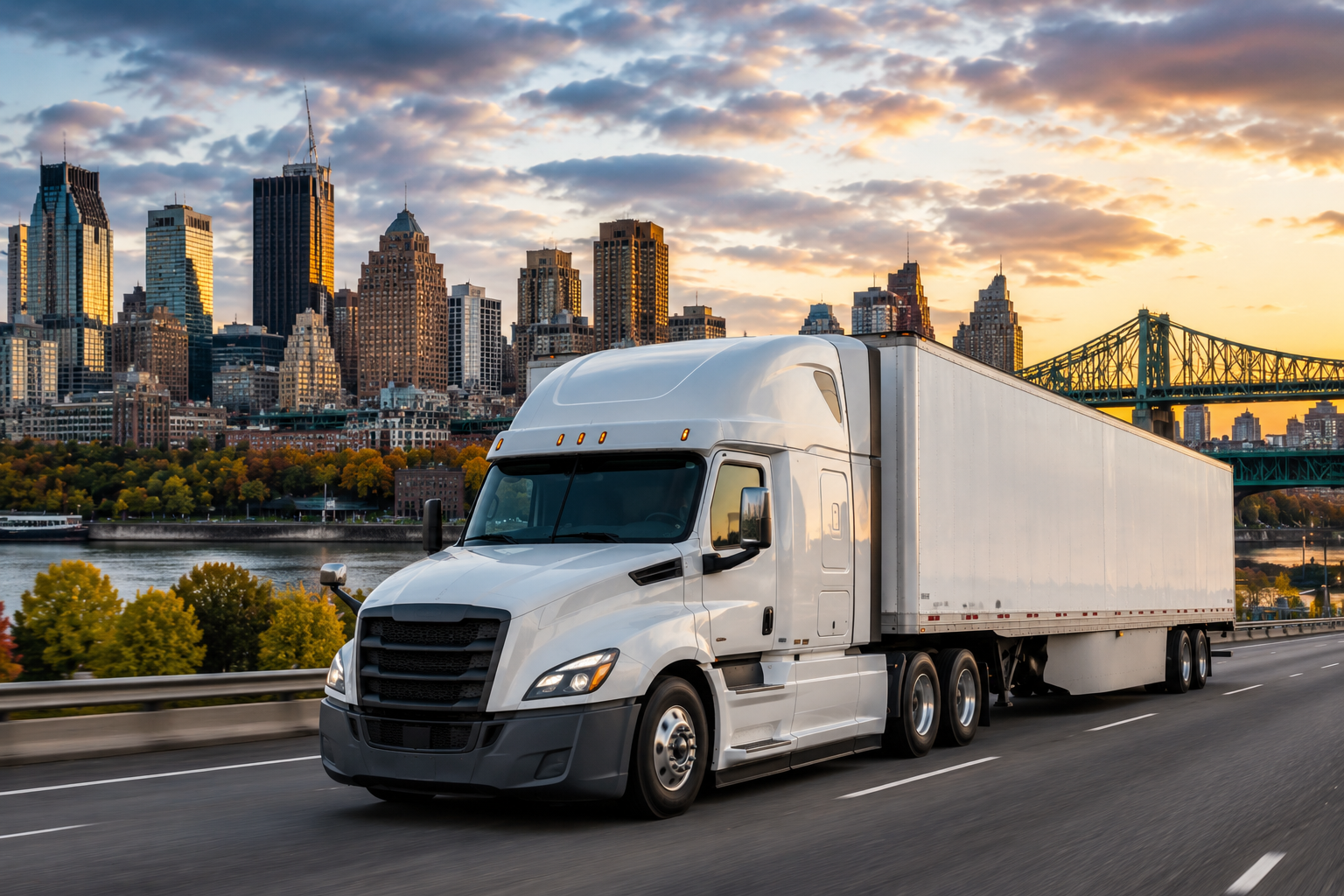

Montreal is a major business and transportation centre with freight moving in and out of the region every day. Manufacturers, distributors, construction companies, retailers, and industrial businesses all depend on reliable transportation to connect Montreal with other Canadian provinces and markets across the United States.
But moving commercial freight over long distances involves much more than sending a truck from one city to another.
The right equipment must be selected. Pickup and delivery schedules need coordination. Cargo has to be secured correctly. Cross-border shipments require accurate information and customs preparation. Oversized loads can involve additional route and permit planning.
This is where an experienced trucking company in Montreal can make a meaningful difference.
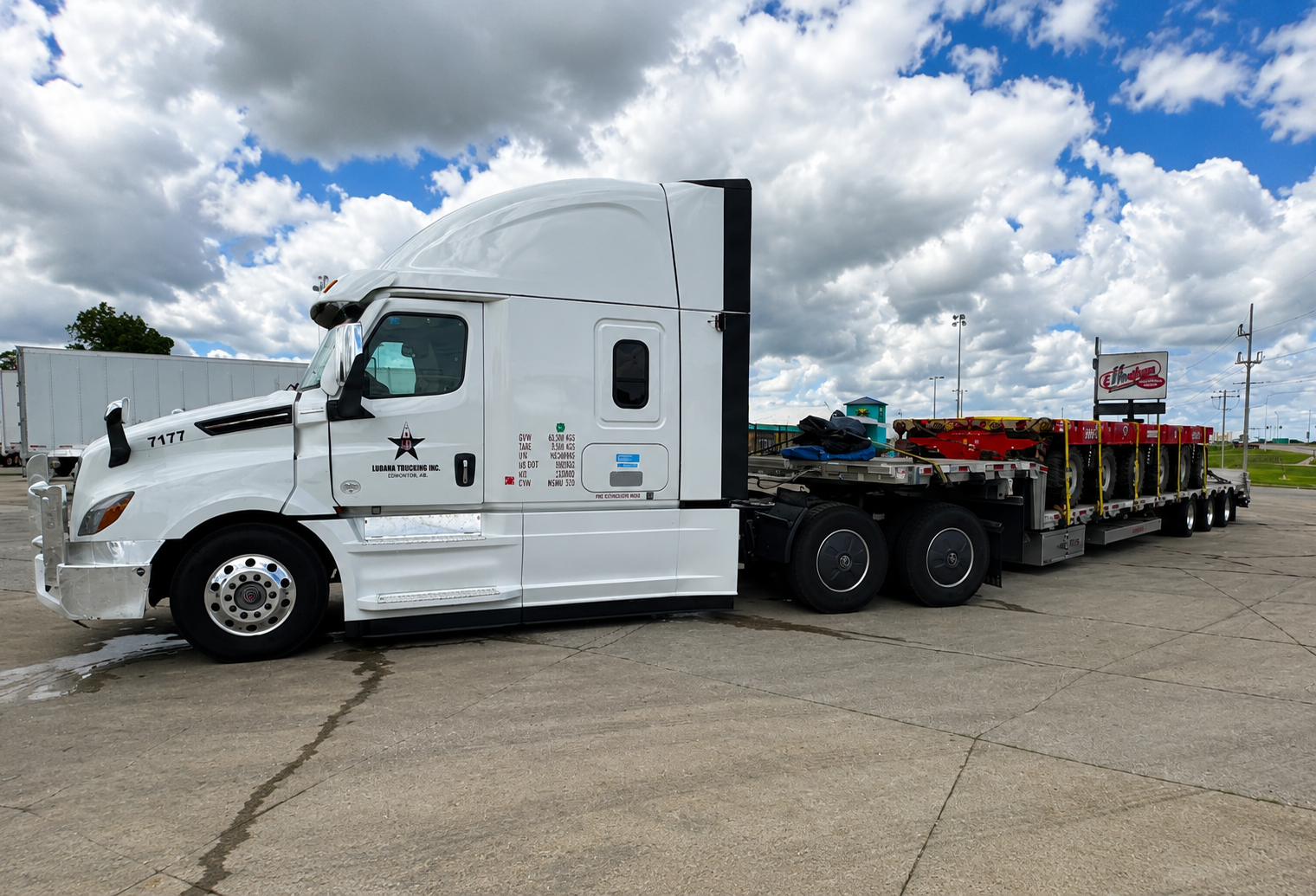
Lubana Trucking provides transportation services in Montreal and supports freight movements across Canada and the United States. Its Montreal services include flatbed, dry van, over-dimensional and specialized transportation, cross-border transportation, and logistics support.
Here is what businesses should understand about keeping freight moving efficiently from Montreal.
Why Montreal Matters for Freight Transportation
Montreal’s location makes it an important point for businesses moving goods within Quebec, across Canada, and into the United States.
A shipment originating in Montreal might be travelling west to another Canadian market, heading south into the United States, or arriving from another region for final delivery in Quebec.
Each movement can have different requirements.
A load of packaged consumer products doesn’t require the same transportation setup as structural steel. Industrial machinery creates different loading challenges than palletized goods. A cross-border shipment also requires additional preparation compared with a domestic delivery.
For businesses, this means choosing transportation based on the actual shipment rather than treating every load the same way.
A capable Montreal trucking company should first understand what is being shipped, where it is going, how it will be loaded and what conditions need to be met before delivery.
The Freight Journey Starts Before the Truck Arrives
Efficient transportation begins with information.
Before dispatching equipment, the carrier needs enough detail to build an appropriate transportation plan.
This normally includes the commodity, weight, dimensions, quantity, pickup address, delivery location, required dates and loading method.
If the cargo has special characteristics, those should be communicated early.
For example, machinery may have unusual dimensions or lifting requirements. Construction materials may require side loading. Some products need an enclosed trailer. Oversized freight may require additional route planning.
Incomplete information can create problems at pickup.
If a carrier expects standard palletized freight but arrives to find a large piece of industrial equipment, the assigned trailer may not be suitable.
Good communication before pickup helps prevent these avoidable delays.
Matching the Trailer to the Freight
One of the most important responsibilities of a trucking company in Montreal is matching the shipment with suitable transportation equipment.
There is no single trailer that works best for every type of commercial freight.
Dry Van Transportation
Dry vans provide an enclosed environment and are commonly suited to palletized freight, packaged products, consumer goods and other cargo that benefits from protection from weather and road exposure.
For many standard commercial shipments, a dry van provides a straightforward transportation solution.
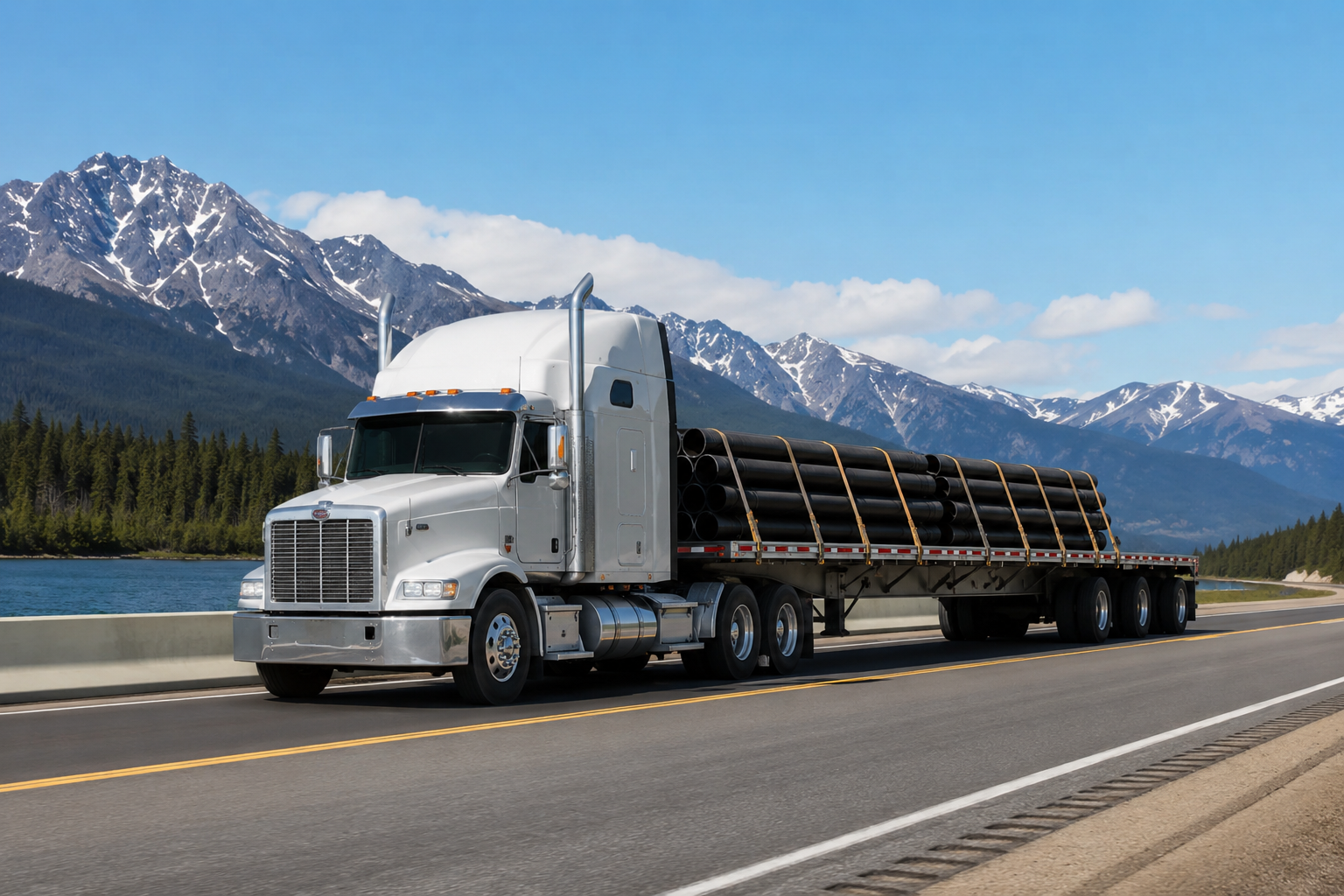
Flatbed Transportation
Some freight can’t be conveniently loaded through the doors of an enclosed trailer.
Steel, machinery, building materials, industrial components and large equipment can require greater loading flexibility.
Flatbeds allow access from the sides and, where appropriate, from above. This can make loading and unloading easier at construction sites, industrial facilities and locations using cranes or other specialized equipment.
Specialized and Over-Dimensional Transportation
Some shipments exceed standard dimensions or have characteristics that require more detailed planning.
Lubana Trucking states that its oversized transportation service includes route planning, permitting and escort coordination for applicable shipments across Canada and the United States.
Selecting the equipment before the truck arrives is therefore critical to keeping the freight movement on schedule.
Moving Freight Across Canada
Long-distance Canadian transportation can involve very different operating environments.
A shipment leaving Montreal might travel through multiple provinces before reaching its destination. Distance, weather, road conditions, receiving schedules and the type of cargo can all affect transportation planning.
This makes communication particularly important.
The shipper should know when the freight is expected to be collected, what information the carrier needs and whether there are any special delivery conditions.
The receiving location also needs to be prepared.
A truck arriving on time doesn’t help much if the facility doesn’t have the equipment, personnel or appointment required to unload it.
A reliable truck transport company coordinates these details before they become problems.
Lubana Trucking lists service coverage in Canadian markets including Montreal, Edmonton, Vancouver and Kitimat, along with several U.S. locations.
Montreal to the USA Requires Additional Planning
Moving freight from Montreal into the United States introduces another layer of transportation planning.
Cross-border freight involves both transportation and customs processes.
Businesses should not wait until a truck reaches the border to think about documentation.
On the Canadian side, CBSA requires trade-chain businesses involved in transporting commercial goods to report accurate shipment information so commercial cargo can be processed efficiently. Electronic reporting systems such as eManifest form part of this process.
The exact requirements depend on the shipment and direction of travel, but the practical lesson for shippers is simple:
Prepare cross-border information before dispatch.
Missing, inconsistent or inaccurate shipment information can create unnecessary complications.
Why Bonded Carrier Capability Matters
Businesses involved in cross-border trade may also encounter situations where freight needs to move under customs control.
A bonded carrier can transport eligible goods that haven’t yet completed the normal customs clearance process under applicable customs requirements.
Lubana Trucking states that it is customs bonded in both Canada and the United States, supporting its cross-border freight operations.
This capability can be valuable for businesses with more complex international transportation requirements.
However, bonded transportation doesn’t remove the need for proper customs preparation.
Shippers still need accurate commercial information and should coordinate with the appropriate customs professionals when required.
Cross-Border Freight Depends on Accurate Information
Many border delays aren’t caused by the physical movement of the truck. Problems can begin with the shipment information.
Businesses should make sure the information supplied for the shipment accurately reflects what is being transported.
Depending on the movement, relevant information can include the shipper and consignee details, commodity description, quantity, weight, value and other customs-related information.
Canadian import requirements also involve matters such as commercial import accounts, tariff classification, valuation and origin.
Businesses shouldn’t guess when dealing with customs requirements.
If there is uncertainty about classification, duties, documentation or another customs matter, it should be addressed with the appropriate customs authority or qualified customs professional before the shipment reaches the border.
The carrier and shipper each have responsibilities, and coordination between everyone involved helps keep freight moving.
Keeping Heavy and Unusual Freight Moving
Montreal businesses don’t only ship standard pallets.
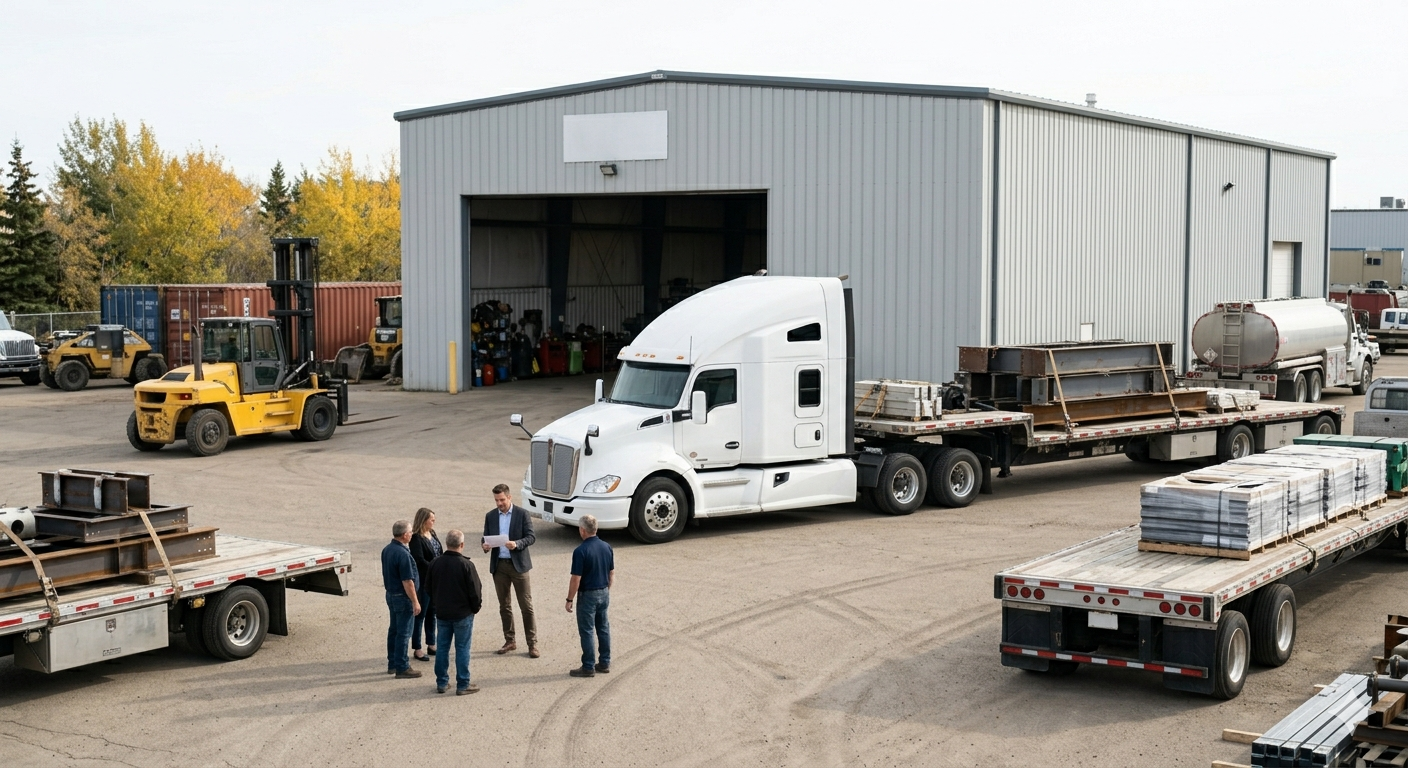
Industrial and construction supply chains often involve freight that is heavy, long, wide or unusually shaped.
Think about:
- Steel beams.
- Manufacturing equipment.
- Construction machinery.
- Large fabricated components.
- Industrial materials.
- Equipment that cannot easily fit through a standard trailer opening.
These shipments require a different level of planning.
An experienced trucking company in Montreal needs accurate dimensions and weight before selecting equipment.
Load distribution also matters. Freight must be positioned and secured appropriately for transportation.
For over-dimensional freight, route planning becomes particularly important because legal and infrastructure requirements can affect how a shipment is transported.
Lubana Trucking provides flatbed and specialized transportation in Montreal for industrial and oversized cargo, according to its Montreal service information.
Route Planning Is More Than Finding the Shortest Distance
The shortest route on a map isn’t always the best freight route.
A commercial truck has different considerations from a passenger vehicle.
The transportation plan can be influenced by vehicle and load dimensions, road restrictions, border crossing strategy, delivery appointments, weather, traffic and the type of facility receiving the shipment.
Oversized freight requires even more attention.
A route suitable for a standard trailer may not be suitable for an over-dimensional load.
This is why route planning should be part of the transportation process rather than something decided after the truck is loaded.
The goal isn’t simply to find the shortest distance.
The goal is to find a practical route that supports safe, compliant and efficient delivery.
Communication Keeps Supply Chains Moving
Freight transportation involves multiple people.
The shipper prepares the load.
The carrier coordinates equipment and dispatch.
The driver handles the road movement.
The receiving facility prepares for delivery.
For international shipments, customs brokers and border authorities may also be involved.
When one party doesn’t have the information it needs, the entire shipment can be affected.
Strong communication is therefore one of the most valuable qualities businesses should look for when selecting a transportation provider.
- If a pickup time changes, the appropriate people need to know.
- If a receiver requires an appointment, it should be arranged.
- If the cargo dimensions change, the carrier should know before arriving.
- If documentation is incomplete, the issue should be addressed before the freight reaches the border whenever possible.
Lubana Trucking states that it provides 24/7 support and operates its fleet throughout the year, which can be useful for customers managing time-sensitive transportation requirements.
How Businesses Can Prepare Freight for a Smoother Pickup
Shippers also play an important role in keeping transportation efficient.
Before the scheduled truck arrives, confirm that the freight is ready.
Verify the weight and dimensions rather than relying on rough estimates.
Make sure packaging is appropriate for the cargo and transportation method.
Confirm whether the loading location has a dock, forklift, crane or other required equipment.
Provide accurate contact information for both pickup and delivery.
If an appointment is required, communicate it before dispatch.
For cross-border freight, make sure the required commercial and customs information is being handled by the appropriate parties.
These may seem like small details, but together they can significantly affect how smoothly the shipment moves.
What Should You Look for in a Trucking Company in Montreal?
Businesses shouldn’t choose a transportation provider based on price alone.
A low quote has limited value if the carrier doesn’t have suitable equipment or experience for the shipment.
Consider whether the company can support your actual freight requirements.
- Does it handle the type of cargo you ship?
- Can it provide appropriate trailer options?
- Does it support Canadian and U.S. destinations?
- Can it handle specialized or oversized freight when required?
- Does it have experience with cross-border transportation?
- How does it communicate during the shipment?
- Does it understand the importance of documentation and scheduling?
These questions help businesses evaluate the overall service rather than simply comparing rates.
Why Consistency Matters for Regular Shippers
Businesses that ship regularly face a different challenge from companies arranging a one-time delivery.
They need consistency.
If a manufacturer sends freight every week, transportation becomes part of its production and customer service process.
If a distributor depends on regular inbound inventory, transportation delays can affect stock availability.
If a construction company needs materials delivered according to project schedules, timing can affect crews and equipment waiting at the jobsite.
For these businesses, a trucking relationship isn’t just about moving individual loads.
It is about creating a transportation process that can be repeated reliably.
That means accurate quoting, appropriate equipment, clear communication and dependable coordination become increasingly valuable over time.
Montreal’s Freight Connections Extend Across North America
A Montreal business may have customers or suppliers far beyond Quebec.
Products can move west across Canada, south into major U.S. markets or arrive in Montreal from other parts of North America.
That is why businesses often benefit from working with a carrier whose service network extends beyond one local market.
Lubana Trucking says its network supports freight transportation across Canada and the United States, with listed service locations including Montreal, Edmonton, Vancouver, Kitimat, Houston, Laredo, Atlanta and Seattle.
The company also offers flatbed, dry van, temperature-controlled, oversized and project logistics services for different freight requirements.
For shippers, broader coverage can simplify transportation when freight needs change from one destination to another.
Keep Your Montreal Freight Moving With the Right Transportation Plan
Moving freight from Montreal across Canada or into the United States requires more than a truck and a destination.
It requires preparation.
Businesses need to understand their cargo, provide accurate shipment information, select appropriate equipment, prepare for pickup, coordinate delivery and address border requirements before they become delays.
For heavy or unusual freight, equipment and route planning become even more important.
For cross-border freight, customs preparation and accurate commercial information need to be part of the process from the beginning.
A reliable trucking company in Montreal brings these pieces together so the shipper can focus on keeping its own business moving.
Lubana Trucking supports businesses with commercial freight transportation from Montreal to destinations throughout Canada and the United States, including flatbed, dry van, specialized and cross-border transportation services.
If you have an upcoming shipment, provide the pickup and delivery locations, commodity, dimensions, weight and timing requirements when requesting a quote. The more accurate the information is at the start, the easier it is to build the right transportation plan.
Request a Freight Quote from Lubana Trucking
Frequently Asked Questions
A trucking company in Montreal can provide services such as dry van transportation, flatbed hauling, specialized freight transportation, cross-border shipping, and logistics support based on the type of cargo being moved.
Yes. Experienced Montreal trucking companies can transport commercial freight between Canada and the USA. Cross-border shipments require proper documentation, customs coordination, and accurate shipment information.
You should provide the pickup and delivery locations, type of freight, weight, dimensions, number of pieces or pallets, preferred shipping date, and any special loading or handling requirements.
Yes, depending on its equipment and capabilities. Heavy or oversized freight may require specialized trailers, permits, load securement, and route planning before transportation.
Look for a company with experience handling your type of freight, suitable equipment, strong safety practices, reliable communication, and the ability to serve your required destinations across Canada or the USA.