 Lubana
Businesses that move products, machinery, construction materials or industrial equipment need transportation that matches their freight requirements. Choosing the right trucking services in Edmonton involves more than finding a truck. It requires selecting suitable equipment, understanding route requirements, preparing shipment details and coordinating pickup and delivery.
Different shipments need different transportation solutions. A manufacturer shipping palletized products may need an enclosed dry van, while a construction company moving heavy machinery may require flatbed or specialized over-dimensional transportation. Businesses shipping temperature-sensitive products need refrigerated equipment with appropriate temperature controls.
Lubana Trucking provides freight transportation solutions for businesses in Edmonton and across Canada and the United States. Its services include flatbed hauling, oversized load transportation, dry van shipping, temperature-controlled reefer transportation, freight brokerage and cross-border logistics.
This guide explains the main freight options available to businesses, how to select suitable equipment and what to prepare before arranging a shipment.
1. Understanding Trucking Services for Edmonton Businesses
Trucking services support the movement of commercial freight between suppliers, manufacturers, warehouses, distribution centres, construction sites and customers.
The type of service required depends on several factors:
- Freight type: General cargo, construction materials, machinery, industrial equipment or temperature-sensitive products.
- Shipment dimensions: Length, width and height determine whether standard or specialized equipment is required.
- Shipment weight: Total weight and weight distribution affect equipment selection and transportation requirements.
- Pickup and delivery locations: Route conditions, access restrictions and delivery arrangements can influence the transportation plan.
- Delivery schedule: Standard, expedited, dedicated or time-sensitive shipments may require different arrangements.
- Special handling: Oversized, refrigerated or regulated freight may need additional planning and documentation.
Before comparing trucking companies, businesses should understand these requirements. Accurate shipment information helps a transportation provider recommend a suitable service rather than offering a general freight quote that may not reflect the actual shipment.
2. Flatbed Trucking for Construction and Industrial Freight
Flatbed transportation is commonly used for cargo that cannot be easily loaded into or transported inside an enclosed trailer.
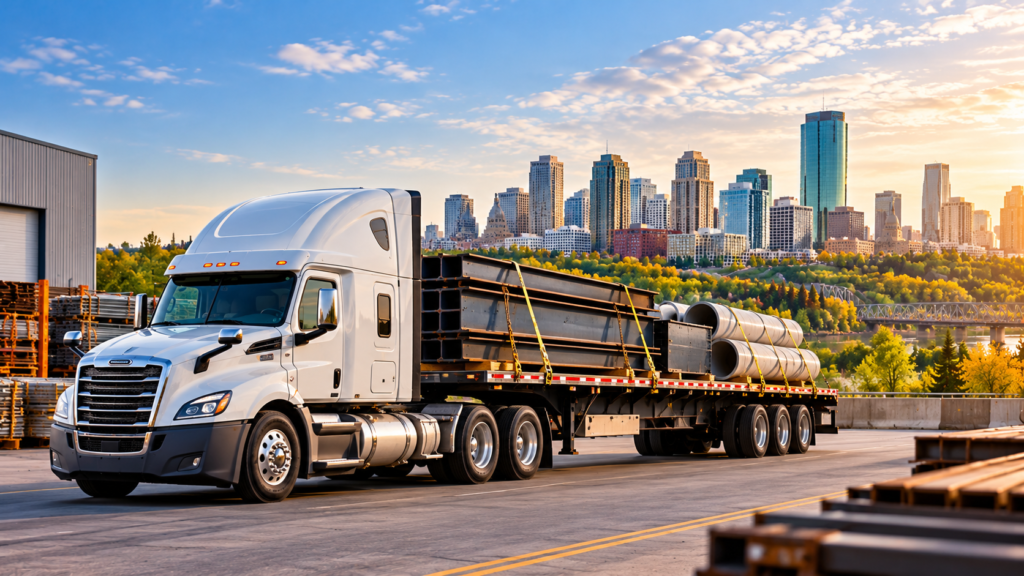
Unlike dry vans, flatbed trailers have an open deck. This allows freight to be loaded from the sides or top, depending on the cargo and available loading equipment.
What Can Be Transported on a Flatbed?
Common flatbed freight includes:
- Structural steel and metal products
- Construction materials
- Industrial machinery
- Pipes and building components
- Manufacturing equipment
- Large or irregularly shaped cargo
Flatbed transportation can be useful for businesses that move materials between suppliers, manufacturing facilities, warehouses and construction sites.
What Equipment Should Businesses Consider?
The right flatbed configuration depends on the shipment’s dimensions, weight and loading requirements. Standard flatbeds may accommodate many types of commercial freight, while step decks, double drops and other specialized configurations may be considered for specific cargo.
Lubana Trucking lists flatbed transportation among its core services and describes equipment options for different freight requirements.
For businesses moving machinery, steel or construction materials, review flatbed hauling services to understand the available transportation options.
Planning consideration: Provide accurate cargo dimensions, weight, loading details and unloading arrangements before booking. Also confirm how the freight will be secured and whether tarping or additional equipment is required.
3. Dry Van Transportation for General Commercial Freight
Dry van transportation is a common option for businesses shipping general cargo that does not require temperature-controlled conditions.
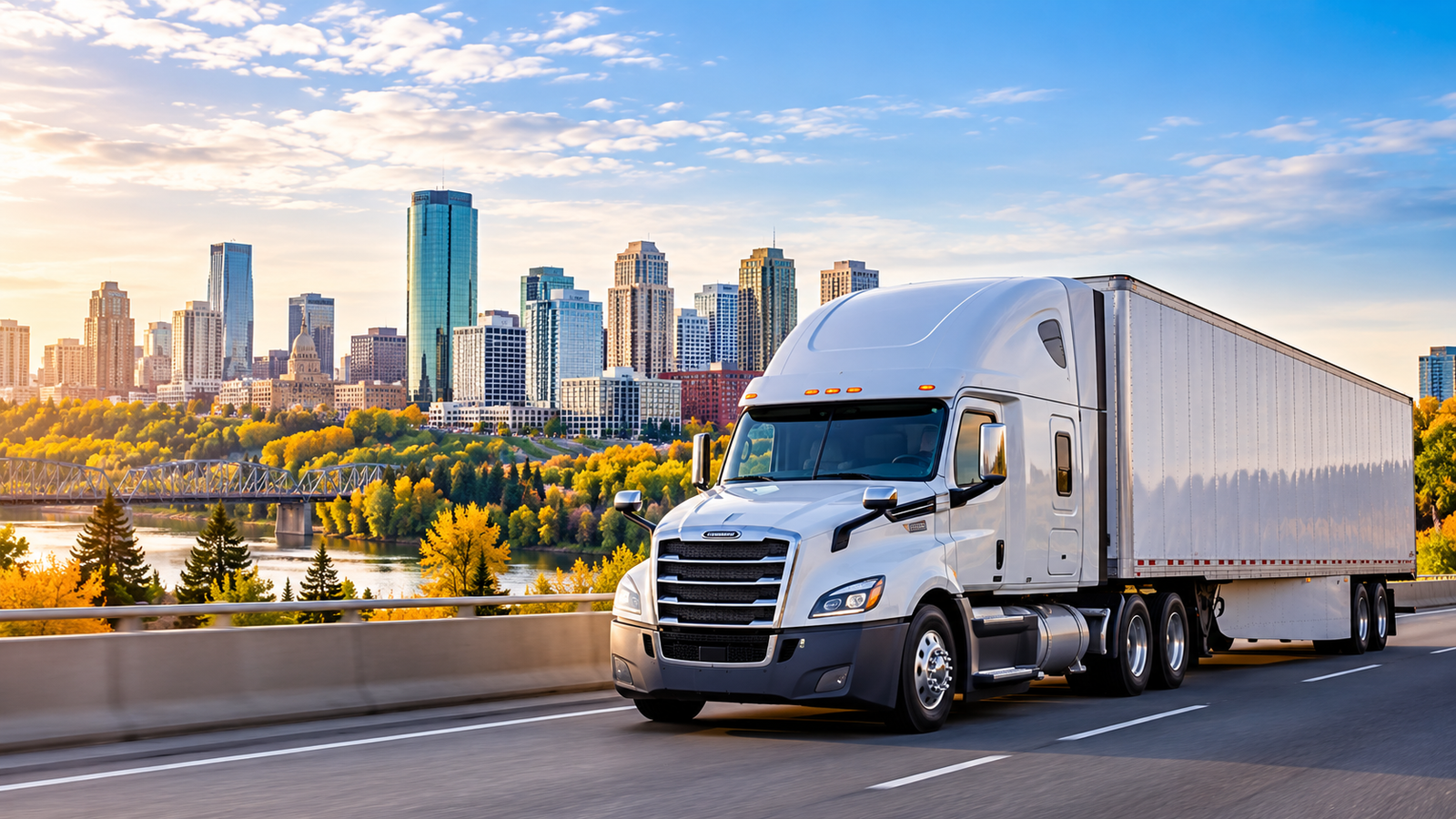
A dry van is an enclosed trailer that protects freight from direct exposure to rain, snow, dust and other external elements during transit.
What Types of Freight Use Dry Vans?
Dry van transportation is generally suitable for:
- Packaged consumer products
- Palletized commercial goods
- Retail inventory
- Textiles and clothing
- Electronics and packaged equipment
- Non-perishable manufactured products
For manufacturers, wholesalers and distributors, enclosed transportation can help protect goods while moving between production facilities, warehouses and distribution points.
Full Truckload and Less-Than-Truckload Options
Businesses should also consider how much trailer capacity their shipment requires.
Full Truckload (FTL): A shipment uses the capacity of a truck or trailer for its transportation. It can be appropriate when a business has enough freight to justify a dedicated load.
Less-Than-Truckload (LTL): A shipment uses only part of the available trailer capacity and may be transported with freight from other shippers.
The right option depends on shipment size, delivery requirements, transit time and pricing. Businesses should compare the full transportation cost rather than choosing an option based only on the initial rate.
Lubana Trucking provides enclosed freight transportation through its dry van transportation services.
4. Refrigerated Trucking for Temperature-Sensitive Freight
Some products require controlled temperatures during transportation. Standard enclosed trailers do not provide the same temperature management as refrigerated equipment.
Refrigerated trucking, also known as reefer transportation, uses trailers equipped with refrigeration systems to maintain the required conditions during transit.
Which Products May Require Reefer Transportation?
Depending on the product and its handling requirements, refrigerated freight may include:
- Food and perishable products
- Frozen and chilled goods
- Certain pharmaceutical products
- Agricultural products
- Other temperature-sensitive commercial cargo
The required temperature depends on the product. Businesses should provide the shipper’s temperature specifications before transportation begins.
What Should Businesses Confirm Before Booking?
Temperature-sensitive freight requires careful coordination. Before arranging a shipment, confirm:
- The required temperature range.
- Whether the product needs frozen, chilled or another controlled environment.
- The loading temperature and condition of the cargo.
- Whether temperature monitoring or reporting is required.
- Any special handling or delivery instructions.
Lubana Trucking offers temperature-controlled reefer services for businesses transporting food products, pharmaceuticals and other temperature-sensitive freight.
Important: Temperature requirements should come from the product specifications or the responsible shipper. Do not assume that one temperature setting is suitable for every refrigerated shipment.
5. Heavy Haul and Over-Dimensional Transportation
Some freight cannot be transported using standard trailer configurations because of its size, weight or dimensions.
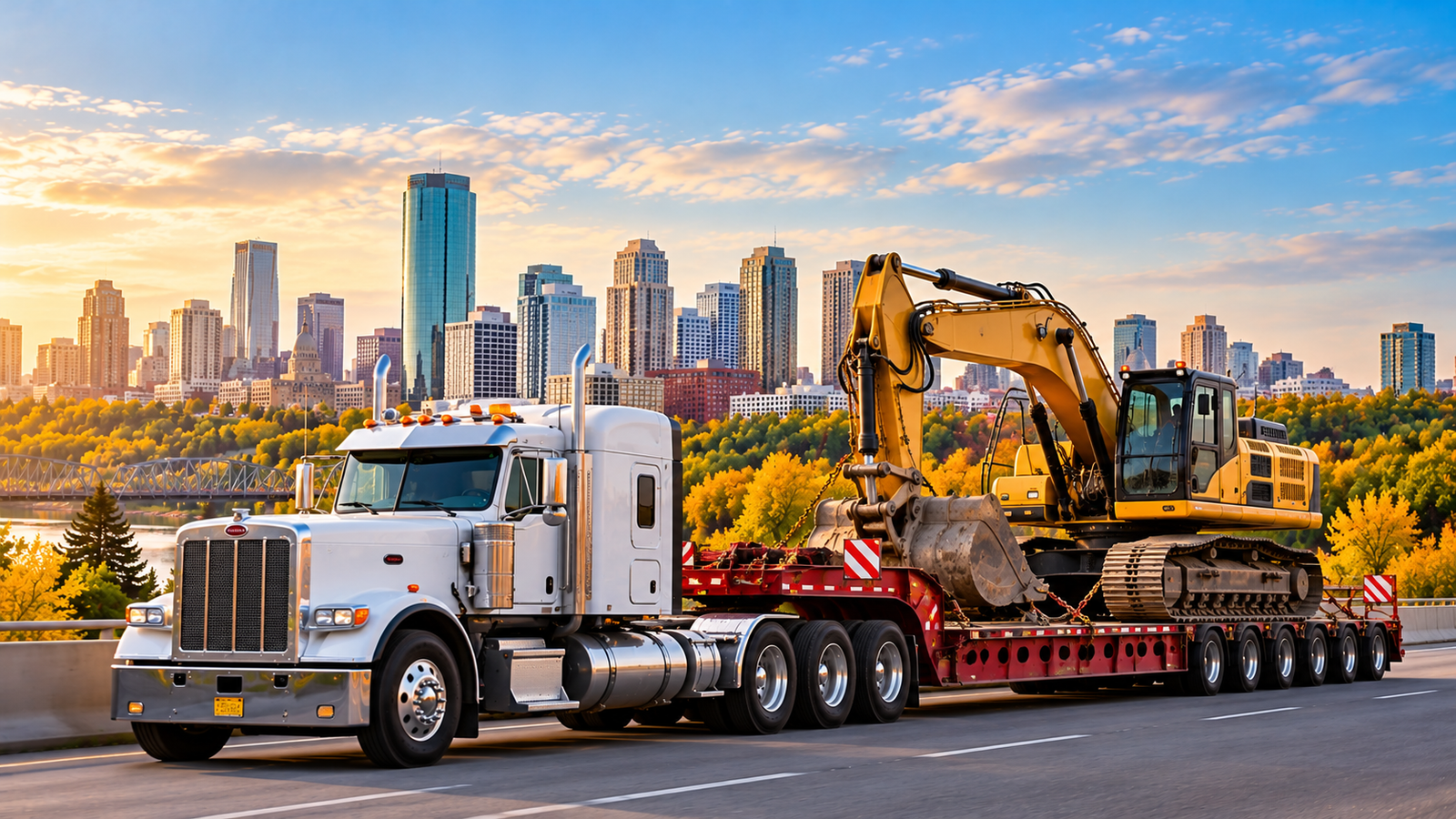
Heavy haul and over-dimensional transportation are used for specialized cargo such as large machinery, industrial equipment, construction equipment and project components.
These shipments often require more planning than standard commercial freight.
What Makes Oversized Freight Different?
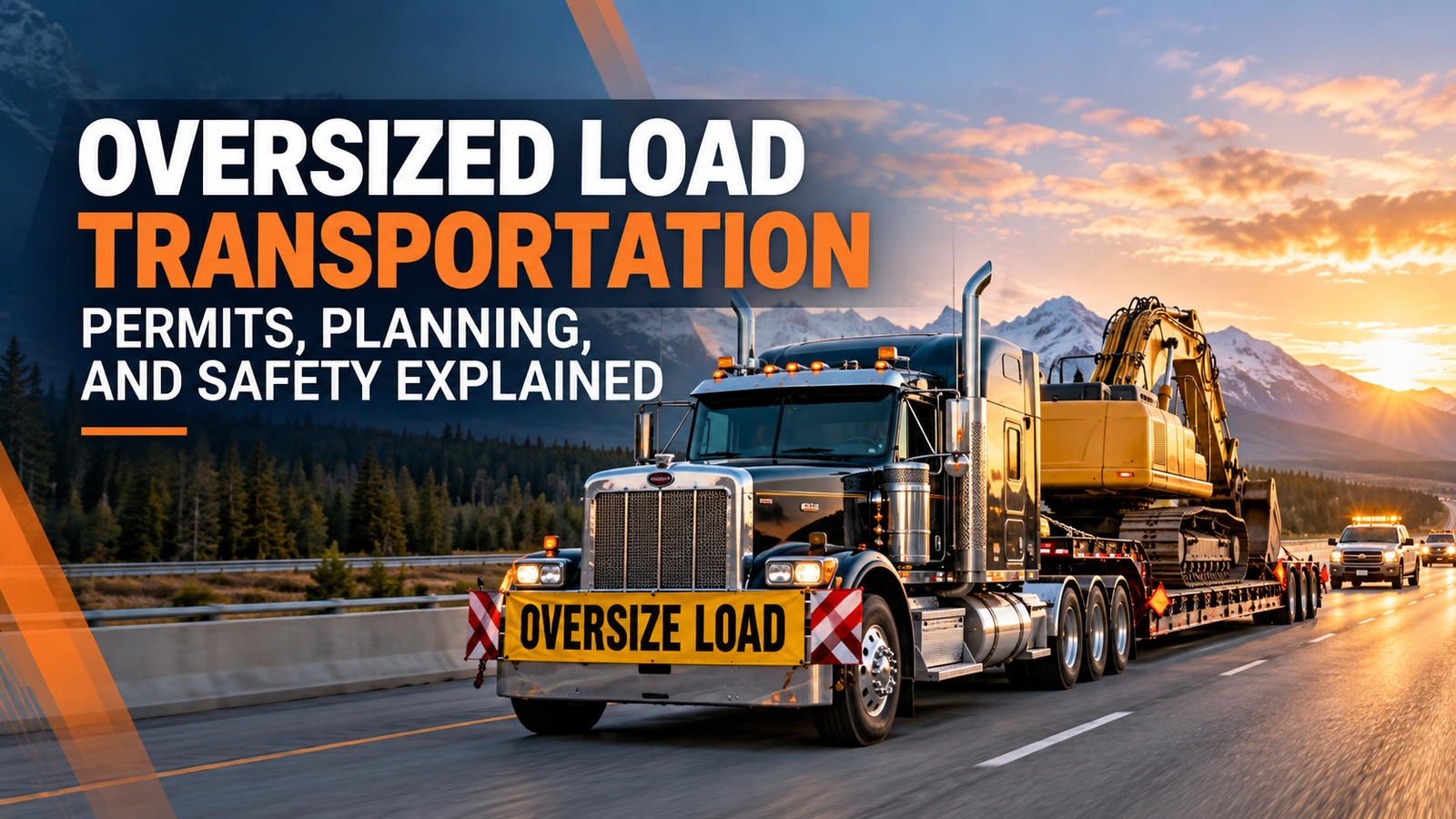
An oversized shipment may exceed applicable legal limits for dimensions or weight. Depending on the load and route, transportation may require:
- Specialized trailers or equipment
- Route assessments and clearance checks
- Permits from relevant authorities
- Pilot or escort vehicles where required
- Load securement planning
- Coordination with pickup and delivery locations
The requirements are not identical for every shipment. They depend on the cargo dimensions, weight, route and applicable provincial or state regulations.
What Information Is Needed for Heavy Haul Planning?
Before requesting a quote, prepare:
- Total cargo weight
- Exact length, width and height
- Number of pieces
- Loading and unloading arrangements
- Pickup and delivery addresses
- Preferred transportation dates
- Any known site access restrictions
Lubana Trucking provides oversized load transportation with services that include route planning, permitting and escort coordination.
For businesses in construction, manufacturing, oil and gas, mining and other industrial sectors, early planning is particularly important. It gives the transportation team time to assess the load and identify potential route or equipment requirements.
6. Freight Brokerage for Flexible Transportation Requirements
Not every business has the same shipment frequency, freight volume or equipment requirements. Some shipments may require transportation capacity beyond what is available for a particular load or route.
Freight brokerage helps connect shippers with suitable transportation providers through a carrier network.
How Does Freight Brokerage Work?
A freight brokerage provider coordinates transportation between the shipper and the carrier.
The process generally involves:
- Understanding the shipment’s freight type, dimensions and weight.
- Reviewing pickup and delivery locations.
- Identifying suitable equipment and transportation capacity.
- Coordinating the shipment with an appropriate carrier.
- Managing communication and shipment arrangements.
When Should a Business Consider Freight Brokerage?
Freight brokerage may be useful when a business:
- Has shipments across multiple locations.
- Needs different equipment for different loads.
- Requires additional transportation capacity.
- Has irregular or changing shipping volumes.
- Needs support coordinating regional or cross-border freight.
Lubana Trucking offers freight brokerage services for businesses in Edmonton and other North American markets.
When evaluating a brokerage arrangement, ask who is responsible for carrier coordination, shipment updates, documentation and issue resolution.
7. Cross-Border Trucking Between Edmonton, Canada and the United States
Businesses shipping freight between Canada and the United States must consider more than transportation distance and delivery schedules.
Cross-border shipments involve customs requirements, shipment documentation and applicable regulations. Incorrect or incomplete paperwork can create delays at the border.
What Should Be Prepared for Cross-Border Freight?
The required documents depend on the shipment, commodity, origin, destination and customs arrangements. Common information and documents may include:
- Commercial invoice
- Packing list, where applicable
- Bill of lading
- Accurate product description
- Shipment value and quantity
- Importer and exporter details
- Applicable customs and regulatory documentation
Businesses should confirm the exact documentation requirements with their customs broker or relevant trade professional before dispatch.
Why Carrier Status Matters
A customs-bonded carrier can support the movement of freight under applicable customs controls and procedures. Businesses should confirm the carrier’s status and understand how the shipment will be handled.
Lubana Trucking identifies itself as a Canada and U.S. customs-bonded carrier and provides cross-border transportation between the two countries.
For businesses moving freight internationally, the transportation plan should account for the route, customs documentation, shipment classification and delivery schedule from the beginning.
8. Project Management and Coordinated Freight Planning
Some transportation projects involve multiple shipments, different equipment types, specific delivery sequences or coordination between several locations.
In these situations, businesses may need more than a single transportation booking.
Project-related freight planning can involve:
- Reviewing shipment requirements.
- Coordinating equipment and transportation capacity.
- Organizing pickup and delivery schedules.
- Identifying route and site access considerations.
- Coordinating communication between involved parties.
- Reviewing documentation and special handling instructions.
Lubana Trucking lists project management among its service categories. Businesses planning larger or more complex freight movements should discuss the project scope, shipment schedule and coordination requirements with the team before booking.
9. How to Choose the Right Trucking Service for Your Business
The right trucking service depends on the type of freight and the conditions under which it must be transported.
The following table provides a practical starting point.
| Business shipment requirement | Transportation option to consider |
|---|---|
| Structural steel and construction materials | Flatbed |
| General palletized commercial products | Dry van |
| Frozen or temperature-sensitive goods | Refrigerated reefer |
| Large machinery and oversized equipment | Heavy haul or over-dimensional |
| Multiple shipment types or additional capacity | Freight brokerage |
| Freight moving between Canada and the USA | Cross-border trucking |
| Multiple coordinated shipments or complex projects | Project management |
This is a general selection guide, not a substitute for a shipment assessment. Equipment availability and suitability must be confirmed for the actual cargo.
Questions to Ask a Transportation Provider
Before selecting a trucking company, ask:
- Does the company handle my specific type of freight?
- What equipment is suitable for this shipment?
- Does it support the required pickup and delivery locations?
- Are permits or special arrangements needed?
- What insurance coverage applies?
- Who will coordinate the shipment?
- How will updates and delivery confirmation be provided?
- What charges are included in the quote?
Clear answers help businesses compare providers based on service suitability rather than price alone.
10. How to Plan a Freight Shipment in Edmonton
A well-planned shipment starts with accurate information. Whether you are arranging a local delivery or a cross-border movement, preparing the details in advance can make the booking process more efficient.
Step 1: Identify the Freight
Describe the cargo accurately. Include the product type, quantity, dimensions and total weight.
Step 2: Select the Required Equipment
Determine whether the shipment needs a flatbed, dry van, refrigerated trailer or specialized equipment. If you are unsure, share the cargo details with the transportation provider for an assessment.
Step 3: Confirm Pickup and Delivery Details
Provide complete addresses, contact information, loading hours, delivery appointments and site access instructions.
Step 4: Identify Special Requirements
Mention temperature control, oversized dimensions, dangerous goods classification, customs documentation or any other applicable requirements.
Step 5: Request and Review the Quote
Compare the proposed transportation service, equipment, charges, delivery arrangements and any additional fees.
Step 6: Confirm the Shipment
Once the transportation plan is agreed upon, confirm the booking details and make sure all required documentation and instructions are available before dispatch.
11. Industries That Depend on Trucking Services in Edmonton
Edmonton supports a range of commercial and industrial activities. Businesses in different sectors use transportation services to move materials, products and equipment between suppliers, facilities and customers.
Construction
Construction businesses may need flatbed transportation for steel, building materials, machinery and oversized equipment.
Oil and Gas
The energy sector can require transportation for industrial components, oilfield equipment, machinery and specialized project freight.
Manufacturing
Manufacturers depend on freight transportation to move raw materials, finished products, machinery and industrial supplies.
Agriculture
Agricultural businesses may need transportation for farm equipment, agricultural products and seasonal freight. Temperature requirements should be assessed when applicable.
Mining and Industrial Operations
Mining and industrial businesses may require specialized equipment for heavy machinery, project components and other large freight.
Wholesale and Distribution
Distributors and wholesalers often move palletized inventory and general commercial goods between suppliers, warehouses and customers. Dry van transportation may be suitable for many of these shipments.
The right transportation arrangement depends on the cargo and delivery requirements, not simply the industry category.
Why Businesses Consider Lubana Trucking for Edmonton Freight
Lubana Trucking provides transportation and logistics services for businesses across Edmonton, Alberta, Canada and the United States.
The company was established in 2015 and lists several freight service categories, including:
- Flatbed transportation
- Over-dimensional and oversized load transportation
- Dry van shipping
- Temperature-controlled reefer transportation
- Freight brokerage
- Project management
- Cross-border transportation between Canada and the United States
Its Edmonton service information also identifies nearby service areas such as Sherwood Park, St. Albert, Leduc, Nisku, Fort Saskatchewan and Spruce Grove.
Businesses can discuss their freight requirements with Lubana Trucking to determine which service and equipment options are appropriate for their shipment.
Frequently Asked Questions About Trucking Services in Edmonton
What trucking services are available for businesses in Edmonton?
Common commercial transportation options include flatbed trucking, dry van shipping, refrigerated freight, heavy haul, oversized load transportation, freight brokerage and cross-border trucking. The services available depend on the transportation provider and shipment requirements.
What is the best trucking service for general commercial freight?
Dry van transportation is often suitable for general palletized and packaged products that do not require temperature control. The appropriate option depends on cargo dimensions, weight, loading requirements and delivery arrangements.
When should a business use flatbed trucking?
Flatbed trucking is useful for freight that is difficult to load into an enclosed trailer. Examples include structural steel, construction materials, machinery and certain types of industrial equipment.
What is the difference between dry van and reefer transportation?
A dry van is an enclosed trailer that protects cargo from external weather conditions. A reefer trailer has refrigeration equipment designed to maintain specified temperature conditions for sensitive freight.
Can trucking companies in Edmonton transport oversized equipment?
Some transportation providers offer specialized oversized and heavy haul services. These shipments may require specialized trailers, route planning, permits and escort arrangements depending on the cargo and route.
Does Lubana Trucking provide cross-border transportation?
Yes. Lubana Trucking lists cross-border freight transportation between Canada and the United States among its services. Businesses should confirm shipment eligibility, route arrangements and documentation requirements before dispatch.
What information is required for a trucking quote?
A quote request should include the freight description, quantity, dimensions, weight, pickup and delivery locations, preferred dates, equipment requirements and any special handling instructions.
How can I select the right transport company in Edmonton?
Compare the company’s service capabilities, equipment, coverage, insurance arrangements, communication process and experience with your type of freight. Request a detailed quote and confirm the transportation arrangements before booking.
Final Thoughts
Choosing the right trucking service in Edmonton starts with understanding what your business needs to move. Flatbed, dry van, reefer, heavy haul, freight brokerage and cross-border transportation each serve different freight requirements.
Before arranging a shipment, confirm the cargo dimensions, weight, equipment requirements, route, delivery schedule and documentation. These details help the transportation provider assess the shipment and recommend a suitable solution.
Lubana Trucking supports businesses with a range of freight transportation and logistics services across Edmonton, Canada and the United States.
Planning your next shipment? Contact Lubana Trucking with your freight details, pickup location and destination to discuss the available transportation options and request a quote.