 admin
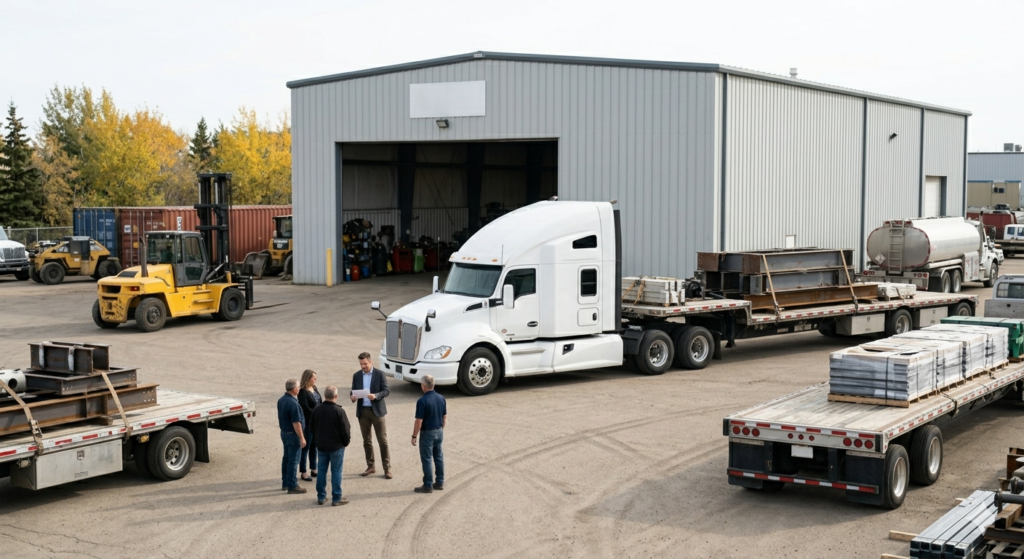
adminEdmonton serves as the central heartbeat of Canada’s industrial sector. As the gateway to the north, the city is a primary staging ground for massive infrastructure, construction, oilfield, and manufacturing projects. These industries rely heavily on moving massive, oversized, and overweight equipment.
When you are tasked with moving cargo that exceeds standard legal dimensions, you cannot rely on ordinary freight carriers. You need specialized logistics. Managing a heavy haul project requires precision, rigorous planning, and an uncompromising commitment to safety.
Choosing the wrong transportation partner can lead to costly project delays, regulatory fines, or catastrophic equipment damage. This comprehensive guide outlines the critical factors you must evaluate when selecting a trucking company in Edmonton for your next heavy haul project.
Understanding the Complexity of Heavy Haul Logistics in Alberta
Before evaluating potential carriers, it is important to recognize why heavy haul transport demands a higher level of expertise than standard freight. In Alberta, any load that exceeds standard legal weight or size limits requires special authorization, specialized trailers, and meticulous route planning.
Standard freight moves seamlessly from point A to point B. Heavy haul freight, by contrast, faces a maze of regulatory and physical hurdles:
- Bridge Clearances and Infrastructure: Edmonton and its surrounding highways are filled with overhead bridges, utility lines, and overpasses. A load that is even a few inches too tall can stall an entire operation if the route is not pre-scouted.
- Axle Weight Distributions: Alberta Transportation enforces strict regulations regarding how weight is distributed across truck and trailer axles to prevent road damage. Heavy haul carriers must use complex multi-axle configurations to remain compliant.
- Seasonal Road Bans: Spring breakup in Alberta brings seasonal road bans, which restrict axle weights on specific secondary highways to protect thawing roads. An experienced local carrier knows how to navigate these restrictions without halting your supply chain.
How to Choose the Right Trucking Company in Edmonton for Heavy Haul Projects
Edmonton serves as the central heartbeat of Canada’s industrial sector. As the gateway to the north, the city is a primary staging ground for massive infrastructure, construction, oilfield, and manufacturing projects. These industries rely heavily on moving massive, oversized, and overweight equipment.
When you are tasked with moving cargo that exceeds standard legal dimensions, you cannot rely on ordinary freight carriers. You need specialized logistics. Managing a heavy haul project requires precision, rigorous planning, and an uncompromising commitment to safety.
Choosing the wrong transportation partner can lead to costly project delays, regulatory fines, or catastrophic equipment damage. This comprehensive guide outlines the critical factors you must evaluate when selecting a trucking company in Edmonton for your next heavy haul project.
Understanding the Complexity of Heavy Haul Logistics in Alberta
Before evaluating potential carriers, it is important to recognize why heavy haul transport demands a higher level of expertise than standard freight. In Alberta, any load that exceeds standard legal weight or size limits requires special authorization, specialized trailers, and meticulous route planning.
Standard freight moves seamlessly from point A to point B. Heavy haul freight, by contrast, faces a maze of regulatory and physical hurdles:
- Bridge Clearances and Infrastructure: Edmonton and its surrounding highways are filled with overhead bridges, utility lines, and overpasses. A load that is even a few inches too tall can stall an entire operation if the route is not pre-scouted.
- Axle Weight Distributions: Alberta Transportation enforces strict regulations regarding how weight is distributed across truck and trailer axles to prevent road damage. Heavy haul carriers must use complex multi-axle configurations to remain compliant.
- Seasonal Road Bans: Spring breakup in Alberta brings seasonal road bans, which restrict axle weights on specific secondary highways to protect thawing roads. An experienced local carrier knows how to navigate these restrictions without halting your supply chain.
1. Fleet Diversity and Specialized Equipment
The first thing to evaluate when looking for a trucking company in Edmonton is the quality and variety of their equipment fleet. Heavy haul projects are never one size fits all. A provider with only a few standard trailers cannot safely or legally manage complex industrial loads.
Your transport partner should possess a diverse fleet of specialized open-deck trailers designed to handle different cargo dimensions and weights:
Step-Deck and Drop-Deck Trailers
These trailers feature a lowered deck profile designed to accommodate taller cargo. By dropping the deck height, carriers can haul taller equipment without exceeding maximum legal height restrictions, saving you from needing specialized over-height permits in some instances.
Double-Drop and Lowboy Trailers
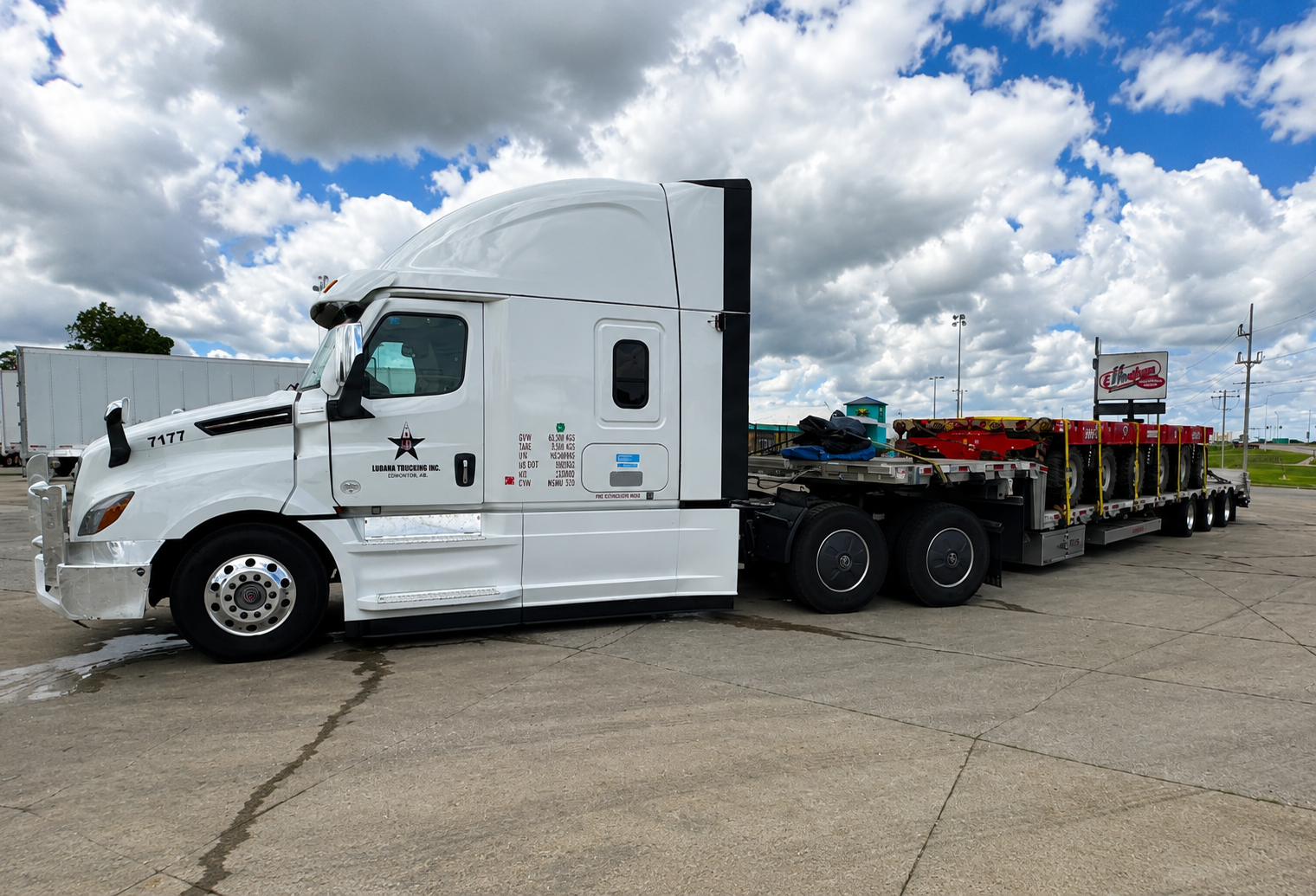
For exceptionally tall or heavy machinery, lowboy trailers are essential. The deck sits remarkably close to the ground, allowing for the transport of massive industrial components, excavators, and bulldozers. Many lowboys feature a removable gooseneck (RGN), which allows large machinery to be driven directly onto the trailer.
Multi-Axle Configurations and Heavy Duty Tractors
Heavy haul requires immense pulling power and advanced weight distribution. Look for companies that utilize multi-axle trailers (such as 7-axle, 9-axle, or even larger specialized configurations) paired with high-horsepower, heavy-duty tractors built specifically for demanding terrain.
2. Regulatory Compliance and Permit Management
Navigating the legal framework for oversized transport in Western Canada is a massive undertaking. The trucking company you select must have an in-house compliance team that understands the nuances of Alberta Transportation regulations, as well as the rules for cross-border shipping into the United States or neighboring provinces.
A professional heavy haul provider will manage the entire permit process on your behalf, including:
- Oversized and Overweight Permits: Securing legal authorization from provincial and municipal authorities before the wheels ever turn.
- Utility Clearances: Coordinating with power, telecommunications, and rail companies if your load requires lifting overhead lines or crossing specific rail corridors.
- Municipal Approvals: Navigating specific city bylaws within Edmonton, especially when moving massive loads through high-traffic commercial zones.
Ask potential carriers directly about their experience with permit acquisition. A company that hesitates or expects you to secure provincial permits is not equipped to handle a complex industrial project.
3. Route Surveying and Logistics Planning
A successful heavy haul project is won or lost long before the truck leaves the yard. Feasibility studies and route surveying are foundational to safe transport.
Top-tier heavy haul companies in Edmonton conduct rigorous route surveys to identify potential hazards along the journey. This includes checking:
- Physical Obstacles: Measuring overhead clearances, identifying tight turning radiuses, and noting construction zones.
- Load Ratings: Ensuring every bridge and culvert along the path can legally support the gross vehicle weight of the configuration.
- Escort and Pilot Car Requirements: Determining whether the load requires civilian pilot cars or law enforcement escorts based on its total width, length, and height.
Your logistics partner should be able to present a clear, documented transport plan detailing the exact route, scheduled stops, and contingency plans for unexpected road closures or weather events.
4. Safety Records and Risk Mitigation
When moving millions of dollars’ worth of industrial machinery, safety cannot be an afterthought. An accident or cargo shift during transit can result in devastating financial and operational consequences.
When vetting an Edmonton trucking company, prioritize safety compliance by looking into the following areas:
Carrier Safety Ratings
Request the company’s National Safety Code (NSC) profile and check their safety rating with Alberta Transportation. A clean record indicates a corporate culture that prioritizes vehicle maintenance, driver training, and hours-of-service compliance.
Cargo Securement Expertise
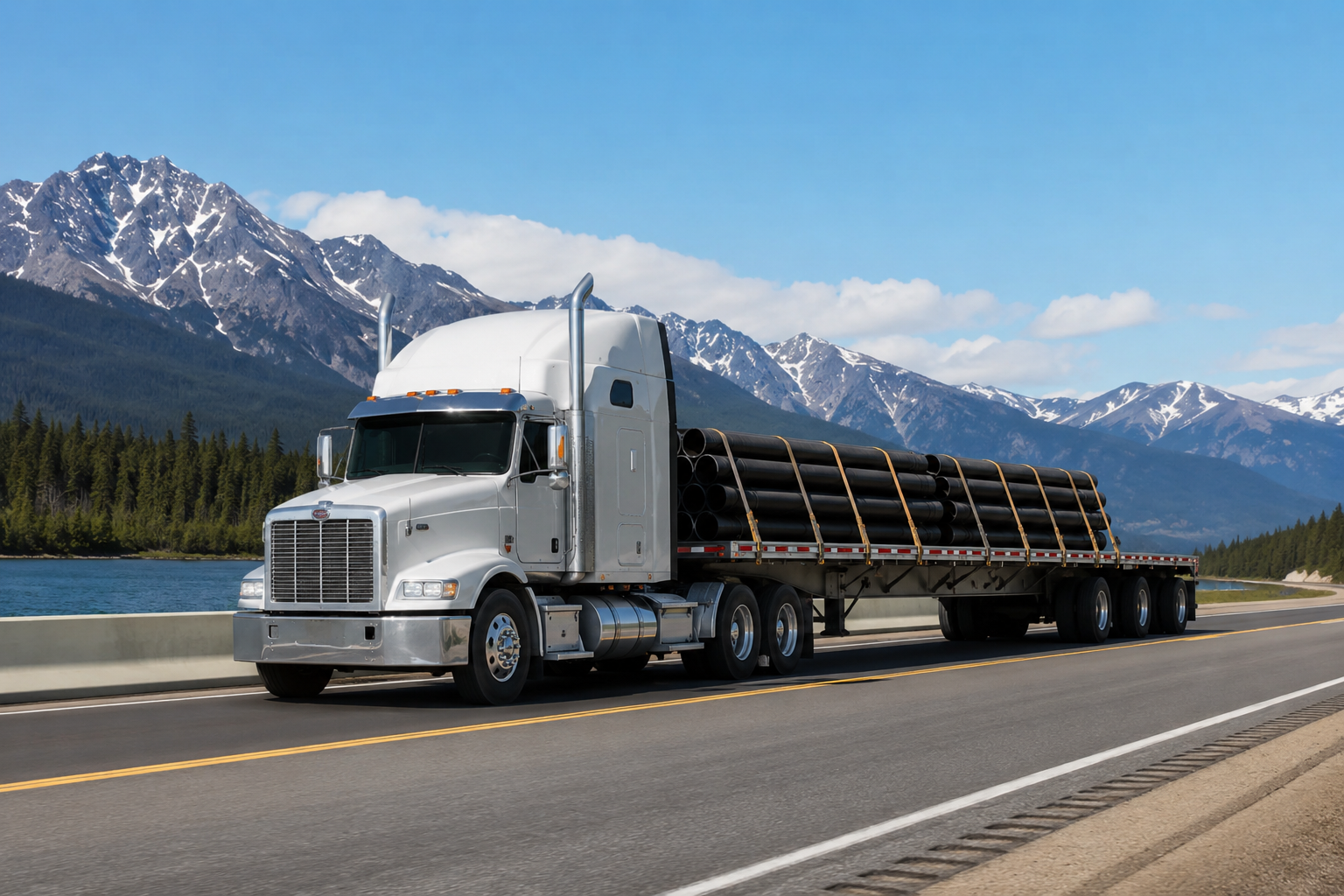
Heavy haul drivers must undergo continuous, specialized training in cargo securement. The physical forces acting on an open-deck trailer are immense. Your carrier must demonstrate a flawless understanding of utilizing heavy-duty chains, binders, and specialized strapping systems to immobilize the freight completely.
Comprehensive Insurance Coverage
Standard cargo insurance policies rarely cover the full value of specialized heavy haul equipment. Ensure your logistics provider carries robust liability insurance and specific cargo insurance that matches or exceeds the replacement value of your shipment. Do not hesitate to ask for a Certificate of Insurance (COI) before signing a contract.
5. Local Experience in Western Canada
Geography matters. A trucking company headquartered elsewhere might not fully grasp the operational realities of working in Alberta. Choosing a local Edmonton transport provider delivers several distinct advantages.
Local carriers understand the specific operational demands of major northern industrial sites, such as the oil sands facilities in Fort McMurray or the industrial manufacturing hubs around the Greater Edmonton Area. They are familiar with the site-specific safety orientations, gate requirements, and delivery protocols unique to these locations.
Furthermore, Alberta weather can change instantly. Local dispatchers and drivers know how to read changing road conditions on major routes like Highway 63 or the Anthony Henday, allowing them to make real-time decisions that protect your cargo from severe winter weather or sudden muddy conditions on industrial lease roads.
6. Transparency and Communication
Complex logistics projects require real-time visibility. When evaluating potential partners, ask about their communication protocols and tracking technology.
A modern logistics provider should offer:
- GPS Fleet Tracking: The ability to monitor the real-time location of your high-value asset throughout its journey.
- Dedicated Project Managers: A single point of contact who understands your specific project timeline and can provide instant updates.
- Transparent Pricing: A detailed, upfront quote that accounts for permit fees, pilot cars, tarping, and potential detention time, ensuring you do not face surprise surcharges on your final invoice.
Making Your Final Decision
Your choice of heavy haul partner is a direct reflection of your project’s commitment to quality and safety. Price is always a factor, but choosing a carrier based solely on the lowest bid can be a costly mistake if they lack the equipment, permits, or experience to execute the move correctly.
| Selection Criteria | What to Look For | Red Flags |
| Equipment Fleet | Specialized multi-axle trailers, RGNs, and step-decks | A small fleet consisting mostly of standard dry vans or basic flatbeds |
| Permit Management | In-house compliance team managing all provincial and local permits | Expecting the client to handle route planning and regulatory paperwork |
| Safety Culture | High NSC ratings, proper insurance, and certified drivers | Reluctance to provide insurance certificates or safety records |
| Local Knowledge | Established roots in Edmonton with experience on northern routes | Lack of familiarity with Alberta road bans and industrial site delivery rules |
By choosing an established, safety-focused trucking company in Edmonton that specializes in heavy haul logistics, you protect your investment, mitigate operational risks, and ensure your equipment arrives precisely when and where it is needed to keep your project moving forward.
Frequently Asked Questions
In Alberta, a shipment is generally considered heavy haul or oversized if it exceeds standard legal dimensions or weight limits. Typically, this applies to loads wider than 2.6 meters (8.5 feet), taller than 4.15 meters (13.7 feet), longer than 23 meters (75.4 feet), or weighing over a gross vehicle weight of 63,500 kilograms. Any cargo exceeding these limits requires specialized trailers and provincial permits.
The timeline for obtaining oversized and overweight permits depends entirely on the complexity of the load. Standard oversized permits can often be secured within a few business days. However, exceptionally large or heavy loads that require route surveys, utility line lifts, or bridge clearance calculations can take several weeks to process. Partnering with an experienced Edmonton trucking company ensures this paperwork is submitted correctly to avoid delays.
Seasonal road bans, or spring thaw restrictions, are implemented by Alberta Transportation to protect secondary highways when frozen roadbeds begin to melt and weaken. During this period (typically early spring), allowable axle weight limits are reduced by 10% to 50% on specific routes. A professional local carrier will monitor these bans and adjust trailer configurations or alter routes to keep your project moving legally.
Pilot cars are required based on the final dimensions of the loaded trailer. In Alberta, you generally need at least one pilot car if your load is wider than 3.85 meters (12.6 feet) on two-lane highways or wider than 4.45 meters on multi-lane highways. Extremely large loads may require multiple pilot cars, trailing escorts, or even law enforcement escorts to control traffic at major intersections.
Rarely. While standard flatbeds are great for heavy cargo that fits within legal width and height limits, true heavy haul projects require specialized open-deck equipment. This includes step-decks for taller cargo, double-drop lowboys for exceptionally high machinery, and multi-axle configurations (such as 7-axle to 12-axle setups) to safely and legally distribute extreme weight across the roadway.