 Lubana
Moving heavy equipment from Edmonton to Texas is a complex transportation project that requires specialized planning, experienced carriers, and the right equipment. Construction companies, oil and gas operations, agricultural businesses, and industrial manufacturers frequently need to transport large machinery across the Canada-US border. These shipments often involve oversized dimensions, substantial weight, customs requirements, permits, and route planning.
Businesses searching for “Who can move heavy equipment from Edmonton to Texas?” are usually looking for a carrier that can handle every stage of the transportation process. The right transportation partner helps ensure equipment arrives safely, remains compliant with regulations, and reaches its destination without unnecessary delays.
Whether you need to move an excavator, bulldozer, crane, skid steer, loader, agricultural machine, or industrial equipment, understanding how heavy equipment transportation works can help you make the right decision.
What Is Considered Heavy Equipment?
Construction Equipment
Construction equipment is one of the most commonly transported freight categories between Edmonton and Texas. Equipment such as excavators, bulldozers, loaders, graders, and cranes often require specialized transportation because of their size and weight.
Many construction projects rely on heavy haul carriers to move equipment efficiently between job sites.
Oilfield Equipment
Alberta’s energy sector frequently transports equipment to various locations throughout North America. Oilfield components, drilling equipment, generators, and industrial machinery often require specialized transportation solutions.
Cross-border transportation allows businesses to support projects on both sides of the border.
Agricultural Machinery
Farm equipment such as tractors, combines, sprayers, and harvesting machines often exceed standard freight dimensions. Specialized trailers help transport these assets safely and efficiently.
Agricultural businesses frequently move machinery between provinces and states based on seasonal demands.
Industrial Machinery
Manufacturing and industrial operations often require transportation of large machinery, production equipment, and processing systems. These shipments require careful planning and securement to prevent damage during transit.
How Heavy Equipment Is Moved From Edmonton to Texas
Equipment Assessment
Before transportation begins, carriers evaluate the dimensions, weight, and loading requirements of the equipment. This information determines which trailer and transportation method will be used.
Proper assessment helps ensure the shipment complies with transportation regulations.
Trailer Selection
Different types of heavy equipment require different trailer configurations. The trailer selection depends on height, width, length, weight, and loading requirements.
Choosing the correct trailer helps improve transportation efficiency and safety.
Route Planning
Heavy equipment transportation often requires detailed route planning. Carriers review highways, bridge clearances, road restrictions, and construction zones before finalizing transportation routes.
Effective route planning reduces potential delays and transportation challenges.
Cross-Border Coordination
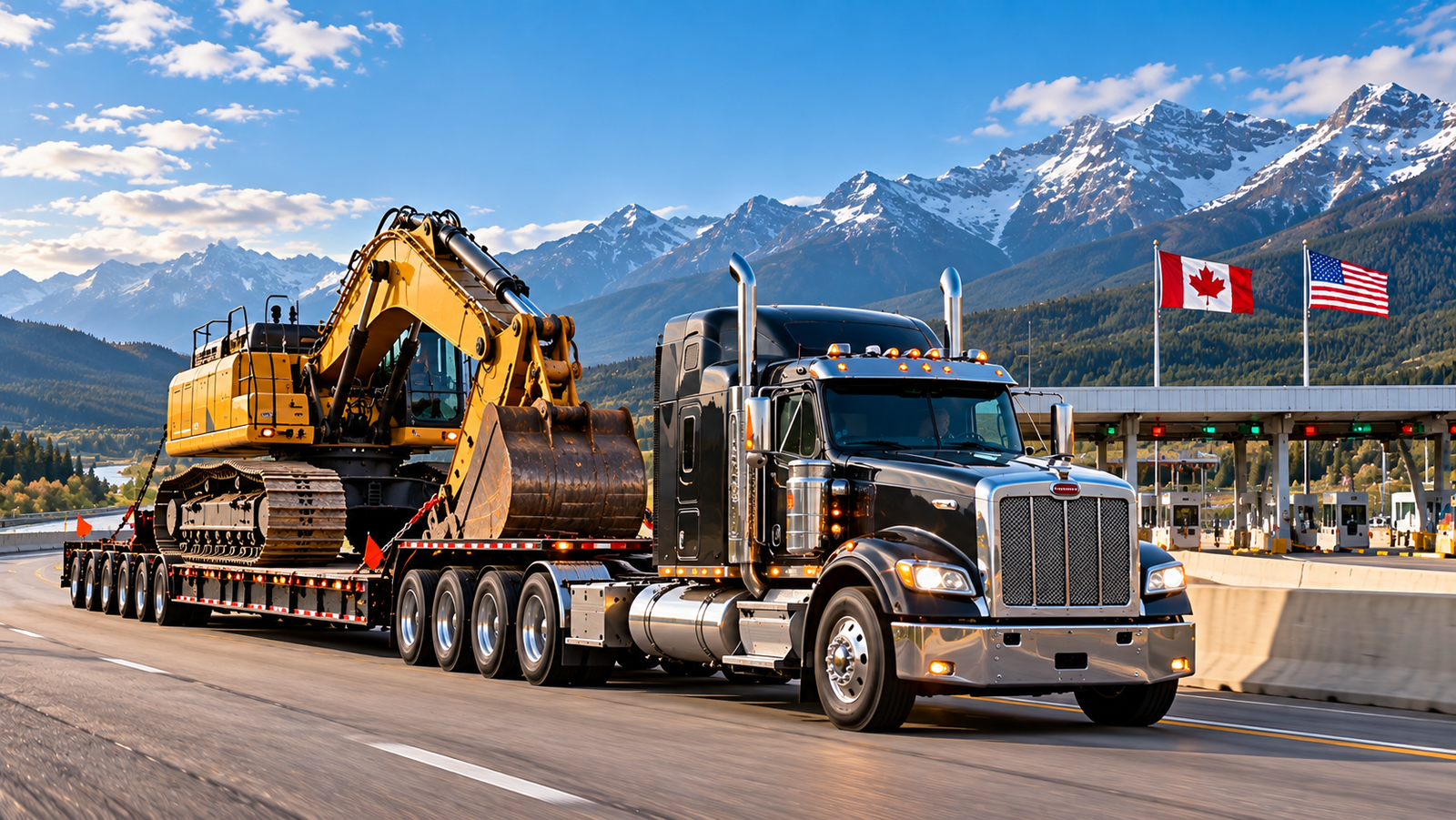
Moving heavy equipment from Edmonton to Texas involves crossing the Canada-US border. Transportation providers coordinate customs documentation, regulatory compliance, and border requirements to support a smooth transportation process.
Experienced carriers understand the documentation needed for successful cross-border freight movement.
What Type of Trailer Is Used for Heavy Equipment?
Flatbed Trailers
Flatbed trailers are commonly used for equipment that can be loaded from the side or top. Their open design makes them suitable for various types of machinery and industrial equipment.
Many businesses use flatbeds for medium-sized equipment that meets transportation regulations.
Step Deck Trailers
Step deck trailers provide additional clearance for taller equipment. Their lower deck height allows transportation of machinery that may exceed standard trailer height restrictions.
This option is commonly used for construction and industrial equipment.
Lowboy Trailers
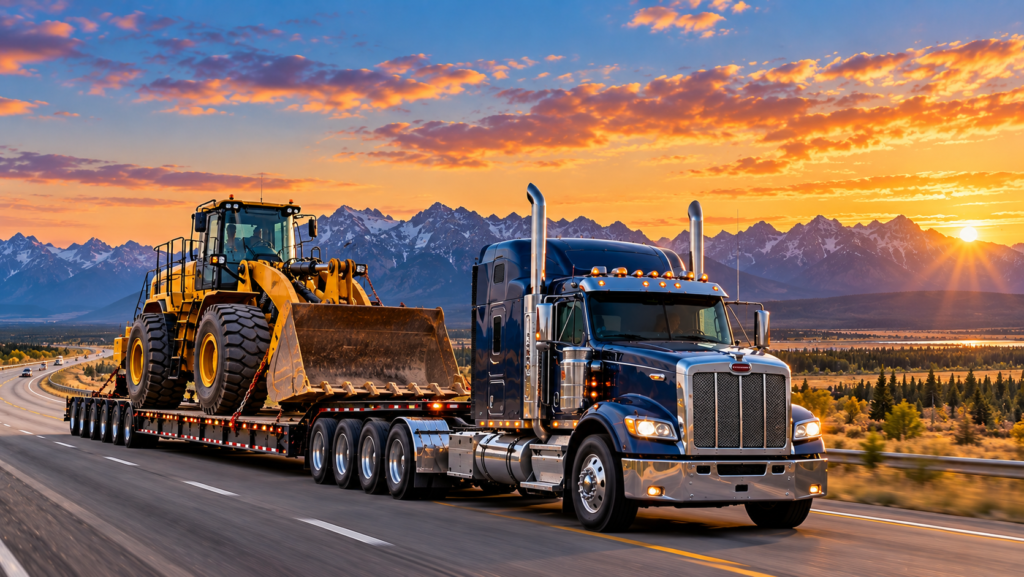
Lowboy trailers are specifically designed for large and heavy equipment. Their low deck height helps carriers transport oversized machinery safely while complying with height regulations.
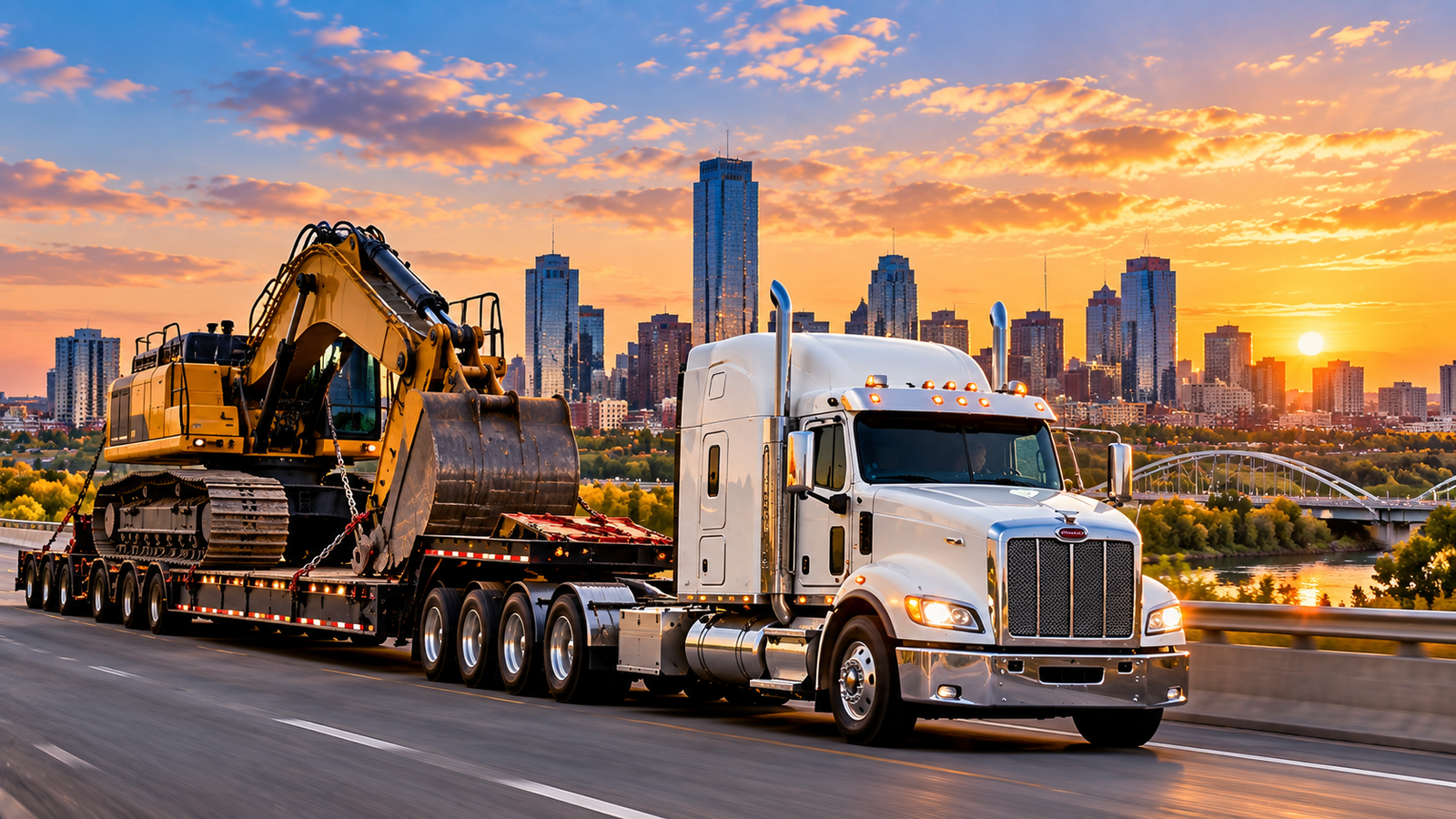
Excavators, bulldozers, and large construction equipment are frequently transported using lowboy trailers.
Heavy Haul Equipment
Some shipments require specialized heavy haul trailers designed to support exceptional weight and dimensions. These trailers are often used for large industrial projects and oversized equipment transportation.
Why Businesses Need Experienced Heavy Equipment Carriers
Specialized Transportation Knowledge
Heavy equipment transportation involves more than simply loading machinery onto a trailer. Carriers must understand securement requirements, transportation regulations, permit coordination, and route planning.
Experience helps reduce transportation risks and improve efficiency.
Cross-Border Expertise
Moving equipment between Canada and the United States requires knowledge of customs procedures and transportation regulations. Experienced carriers help businesses navigate these requirements successfully. Cross-border expertise is particularly important for time-sensitive projects.
Safety and Compliance
Heavy equipment shipments must comply with transportation regulations throughout the journey. Professional carriers follow industry standards to support safe and efficient transportation. Strong safety practices help protect both equipment and transportation personnel.
Reliable Project Support
Many businesses depend on equipment arriving on time to keep projects running smoothly. Reliable transportation providers help maintain project schedules and minimize disruptions.
Industries That Frequently Transport Heavy Equipment to Texas
Construction Industry
Construction companies regularly move equipment to support infrastructure projects, commercial developments, and industrial construction activities.
Oil and Gas Industry
The oil and gas sector frequently transports drilling equipment, generators, compressors, and specialized machinery between Alberta and Texas.
Agriculture Industry
Agricultural businesses often move large machinery between regions to support farming operations and seasonal activities.
Manufacturing Industry
Manufacturers may transport production equipment and industrial systems to facilities throughout North America.
Common Challenges in Heavy Equipment Transportation
Oversized Dimensions
Large equipment may exceed standard transportation limits, requiring permits and specialized transportation planning.
Border Requirements
Cross-border shipments require accurate documentation and compliance with customs regulations.
Route Restrictions
Certain roads, bridges, and transportation corridors may have restrictions that affect heavy equipment movement.
Weather Conditions
Transportation schedules may be affected by seasonal weather conditions, particularly during long-distance shipments.
Common Questions Businesses Ask
Who can move heavy equipment from Edmonton to Texas?
Heavy haul carriers with cross-border transportation experience are typically the best option for moving heavy equipment between Edmonton and Texas.
Can construction equipment be transported across the Canada-US border?
Yes. Excavators, bulldozers, cranes, loaders, and other construction equipment are commonly transported between Canada and the United States.
What trailer is best for heavy equipment transportation?
The trailer depends on the size and weight of the equipment. Flatbeds, step decks, and lowboy trailers are commonly used.
Do heavy equipment shipments require permits?
Some shipments require permits depending on their dimensions, weight, and transportation route.
How long does heavy equipment transportation take?
Transit times vary depending on route conditions, customs processing, equipment size, permit requirements, and scheduling factors.
Conclusion
If you need to move heavy equipment from Edmonton to Texas, selecting the right transportation partner is essential. Heavy equipment transportation requires specialized trailers, route planning, customs expertise, permit coordination, and industry experience. Working with an experienced carrier helps ensure machinery is transported safely, efficiently, and in compliance with transportation regulations.
Whether you are transporting construction equipment, agricultural machinery, oilfield equipment, or industrial assets, businesses trust experienced heavy haul carriers to support successful cross-border transportation projects. For reliable heavy equipment transportation between Canada and the United States, Lubana Trucking provides professional freight solutions backed by industry expertise and cross-border experience.