 admin
adminEvery product on a store shelf, every piece of construction equipment on a jobsite, and every shipment arriving at a warehouse has one thing in common: transportation.
Behind every successful delivery is a carefully planned logistics process that ensures freight moves efficiently from one location to another. Whether goods are travelling across Alberta, from Edmonton to Montreal, or between Canada and the United States, trucking logistics plays a critical role in keeping supply chains moving.
For businesses that depend on reliable transportation, understanding trucking logistics can help improve shipping decisions, reduce delays, and support long-term growth.
As a trusted trucking company, Lubana Trucking helps businesses move freight throughout Canada and the United States through dependable transportation, logistics coordination, and specialized freight solutions.
This guide explains how trucking logistics works, why it matters, and how businesses can benefit from a strong logistics strategy.
What Is Trucking Logistics?
Trucking logistics refers to the planning, coordination, management, and movement of freight using commercial transportation networks. The goal is simple: move freight from the point of origin to the final destination safely, efficiently, and on schedule. However, the process involves much more than assigning a truck and driver.
Effective trucking logistics includes:
- Route planning
- Freight scheduling
- Carrier coordination
- Equipment selection
- Cargo tracking
- Driver management
- Cross-border documentation
- Delivery scheduling
- Load optimization
- Risk management
Without proper logistics planning, businesses may experience delays, increased transportation costs, inventory shortages, and customer service issues.
Why Trucking Logistics Matters
Transportation is one of the most important components of modern supply chains.
Manufacturers need raw materials delivered to production facilities.
Retailers require inventory delivered to distribution centres and stores.
Construction companies depend on equipment and materials arriving on schedule.
Industrial facilities rely on transportation providers to move products throughout North America.
A reliable logistics trucking company helps businesses manage these transportation requirements while improving efficiency and reducing unnecessary costs.
When logistics processes are properly managed, businesses benefit from:
- Faster deliveries
- Better shipment visibility
- Lower transportation costs
- Improved customer satisfaction
- Reduced inventory disruptions
- More reliable freight planning
How Freight Moves Across Canada and the USA
Moving freight across Canada and the United States involves much more than driving from one location to another. Every shipment follows a carefully planned process designed to maximize efficiency while minimizing transportation risks.
The process typically begins when a shipper requests transportation services. Logistics teams evaluate the shipment details, including freight type, dimensions, weight, pickup location, delivery location, and required delivery timelines.
Once this information is reviewed, the appropriate equipment is selected. Some shipments move in dry van trailers, while others require flatbeds, Conestoga trailers, refrigerated units, or specialized transportation equipment.
Route planning is another important part of trucking logistics. Factors such as road restrictions, weather conditions, traffic patterns, fuel efficiency, and border crossings must be considered. For cross-border shipments, customs documentation and regulatory compliance also become part of the planning process.
After pickup, the shipment is monitored throughout transportation until it reaches its destination. Real-time communication between dispatchers, drivers, customers, and receivers helps keep the process running smoothly.
The Role of a Trucking Company in Modern Supply Chains
A professional trucking company does much more than transport freight. Today’s transportation providers play an important role in helping businesses manage supply chain operations.
As supply chains become increasingly complex, businesses need transportation partners capable of handling changing customer demands, tight delivery schedules, and growing freight volumes. A trucking company serves as the link connecting suppliers, manufacturers, warehouses, and end customers.
This responsibility requires careful planning and coordination. Transportation providers must ensure equipment availability, maintain compliance with regulations, manage delivery schedules, and respond quickly to unexpected challenges.
Reliable transportation partners help businesses improve efficiency while reducing the administrative burden associated with freight management.
The Importance of Cross-Border Trucking Logistics
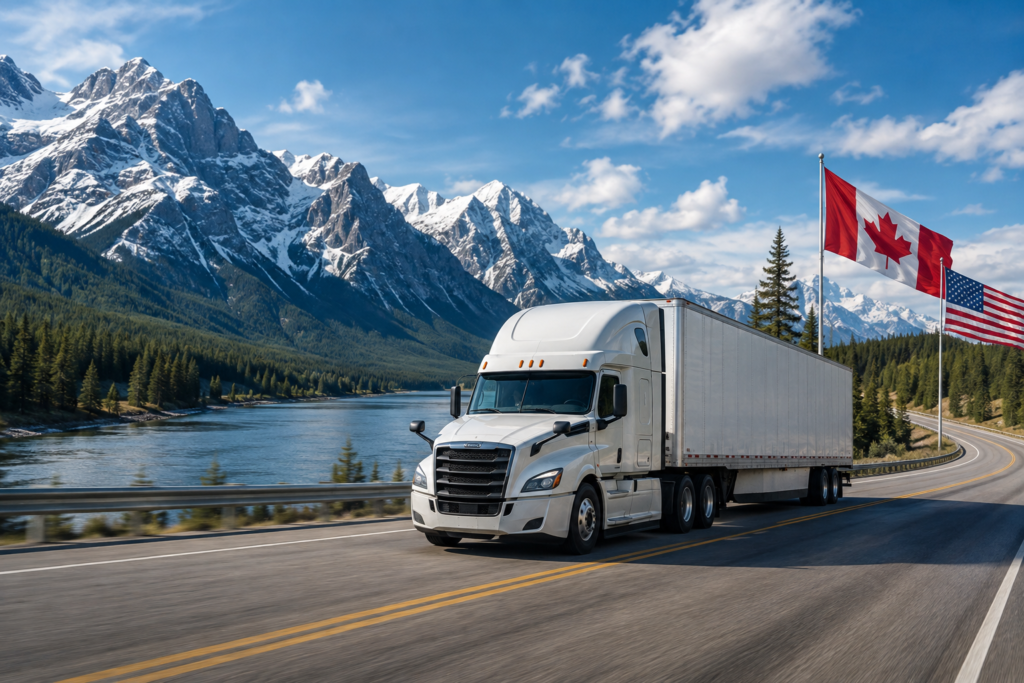
Trade between Canada and the United States continues to drive economic growth across North America. Every day, thousands of shipments move across the border carrying products ranging from consumer goods and manufacturing materials to industrial equipment and construction supplies.
Cross-border transportation requires specialized logistics expertise. In addition to standard transportation planning, shipments must comply with customs regulations and documentation requirements.
Missing paperwork, inaccurate shipment details, or regulatory issues can result in delays that impact delivery schedules and increase transportation costs.
An experienced logistics trucking company understands these requirements and helps businesses navigate cross-border shipping processes efficiently. This expertise becomes particularly important for companies that regularly move freight between Canada and the United States.
Technology and the Evolution of Trucking Logistics
Technology has transformed the transportation industry over the past decade. Modern trucking logistics relies on advanced systems that provide greater visibility, efficiency, and control over freight movement.
Real-time GPS tracking allows businesses to monitor shipment progress throughout transportation. Dispatch software helps logistics teams manage routes, equipment, and driver schedules more effectively. Digital communication tools improve coordination between drivers, dispatchers, customers, and receivers.
These technologies help reduce delays, improve accuracy, and provide customers with greater transparency regarding shipment status.
As supply chains continue to evolve, technology will remain a key component of successful trucking logistics strategies.
Common Challenges in Trucking Logistics
Even the most carefully planned shipments can encounter challenges during transportation.
Weather remains one of the most significant factors affecting freight movement across Canada. Snowstorms, icy road conditions, flooding, and extreme temperatures can impact travel times and delivery schedules.
Traffic congestion is another common challenge, particularly in major metropolitan areas and transportation corridors. Unexpected road closures and construction projects can create additional delays.
Capacity shortages can also affect transportation operations. During peak shipping periods, businesses may face increased competition for available trucks and trailers.
Cross-border shipments can experience delays related to customs inspections or documentation requirements.
Effective trucking logistics helps minimize these risks by using proactive planning, strong communication, and experienced transportation management.
Specialized Freight Requires Specialized Logistics
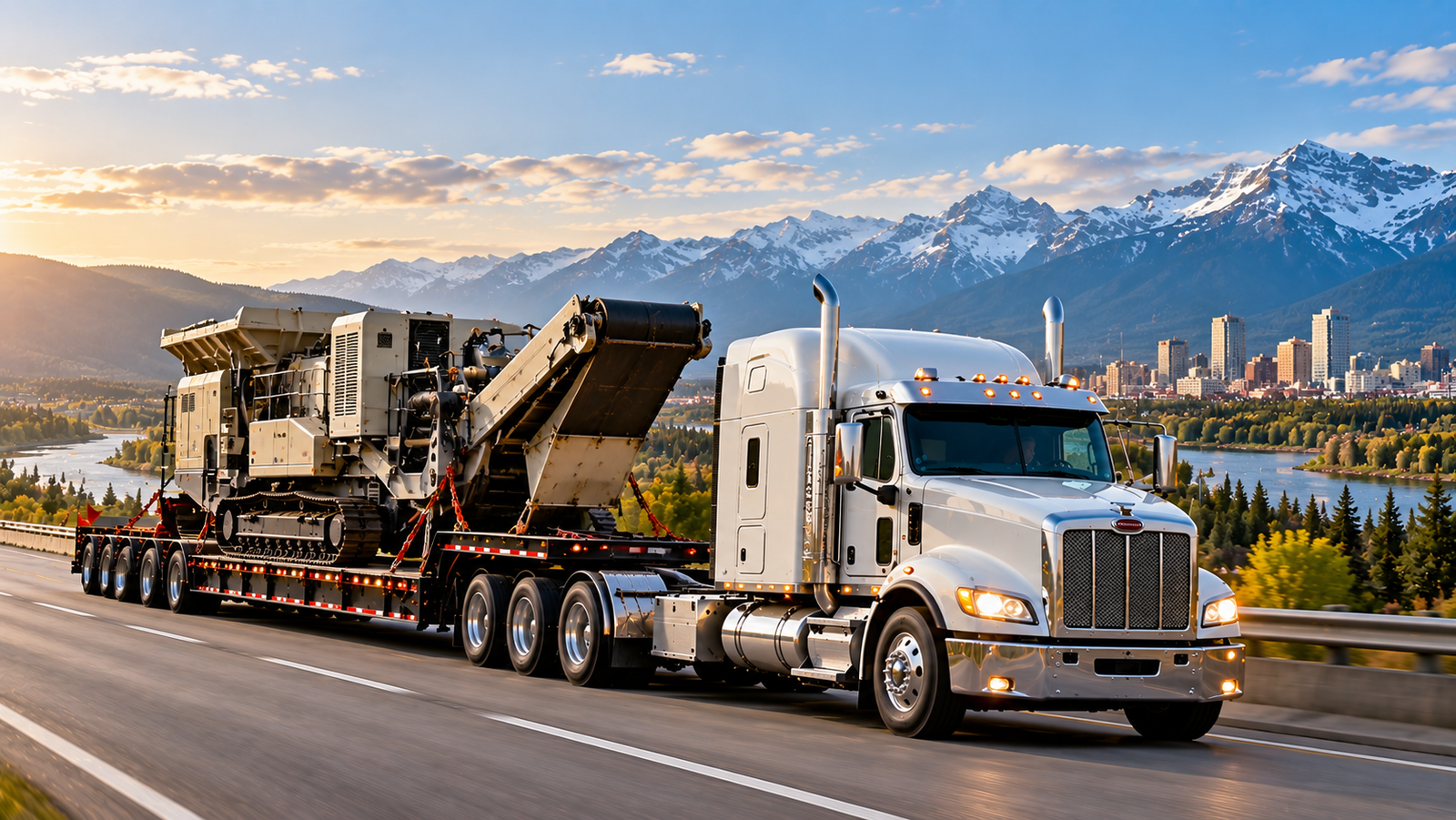
Not all freight fits inside a standard trailer. Many industries require transportation solutions for oversized, heavy, or unusually shaped cargo.
Construction equipment, steel products, industrial machinery, energy sector components, and large manufacturing equipment often require specialized transportation services.
Moving these shipments involves detailed logistics planning. Transportation providers must consider route restrictions, permits, bridge clearances, escort vehicle requirements, and equipment selection.
This is where an experienced trucking company becomes especially valuable. Specialized freight transportation requires expertise that goes beyond standard freight movement.
By working with a provider experienced in flatbed transportation and oversized load logistics, businesses can ensure complex shipments are handled safely and efficiently.
Why Businesses Partner with a Logistics Trucking Company
Many organizations choose to work with a dedicated logistics trucking company because it allows them to focus on their core operations while transportation experts manage freight movement.
Professional logistics providers bring industry knowledge, transportation networks, and operational expertise that can improve overall shipping performance.
Businesses benefit from improved shipment visibility, better route planning, increased flexibility, and access to specialized transportation solutions.
Rather than managing transportation challenges internally, companies can rely on experienced logistics professionals to coordinate freight movement and address potential issues before they impact operations.
This partnership approach often leads to greater efficiency, reduced costs, and stronger supply chain performance.
How Lubana Trucking Supports Freight Transportation Across North America
Lubana Trucking provides comprehensive transportation and logistics solutions for businesses operating throughout Canada and the United States.
With experience handling a wide range of freight types, the company supports industries that require dependable transportation services and efficient logistics coordination.
Services include flatbed transportation, oversized freight movement, dry van shipping, cross-border transportation, freight brokerage, and specialized logistics support.
By combining transportation expertise with strong logistics planning, Lubana Trucking helps customers move freight safely, efficiently, and on schedule.
The company’s commitment to reliability, communication, and customer service allows businesses to maintain smooth transportation operations while focusing on growth and day-to-day operations.
The Future of Trucking Logistics
The trucking industry continues to evolve as businesses demand greater visibility, faster deliveries, and improved supply chain efficiency.
Technology, automation, and data-driven decision-making are shaping the future of transportation management. Companies increasingly expect real-time shipment updates, optimized routing, and more accurate forecasting.
Cross-border trade continues to create new opportunities for transportation providers that understand international freight movement. At the same time, growing customer expectations are encouraging logistics companies to improve efficiency and responsiveness.
Businesses that invest in strong trucking logistics strategies today will be better positioned to manage future transportation challenges and opportunities.
Conclusion
Behind every successful shipment is a carefully coordinated logistics process. From route planning and equipment selection to freight tracking and delivery coordination, trucking logistics plays a critical role in moving goods across Canada and the United States.
For businesses that rely on transportation, choosing the right logistics partner can significantly impact efficiency, customer satisfaction, and overall supply chain performance.
Whether moving standard freight, specialized equipment, or cross-border shipments, working with an experienced trucking company helps ensure freight arrives safely and on time.
As supply chains become increasingly complex, the value of effective trucking logistics continues to grow. Companies that prioritize logistics planning and partner with experienced transportation providers are better equipped to keep freight moving and support long-term business success.
Frequently Asked Questions
Supply chain management directly influences trucking operations by coordinating inventory, production schedules, warehousing, and transportation. Effective supply chain management helps ensure freight moves efficiently while reducing delays and transportation costs.
Trucking logistics connects every stage of the supply chain, from suppliers and manufacturers to warehouses and customers. Without efficient logistics planning, businesses can experience delays, inventory shortages, and increased operating costs.
Modern trucking software helps businesses track shipments, manage routes, improve dispatch operations, monitor fleet performance, and gain real-time visibility into transportation activities. These tools support more efficient supply chain management and improved decision-making.
Trucking logistics is the planning, coordination, and management of freight transportation. It includes route planning, equipment selection, shipment tracking, scheduling, and delivery coordination.
A logistics trucking company manages freight movement by coordinating transportation services, selecting appropriate equipment, planning routes, monitoring shipments, and supporting overall supply chain operations.