 admin
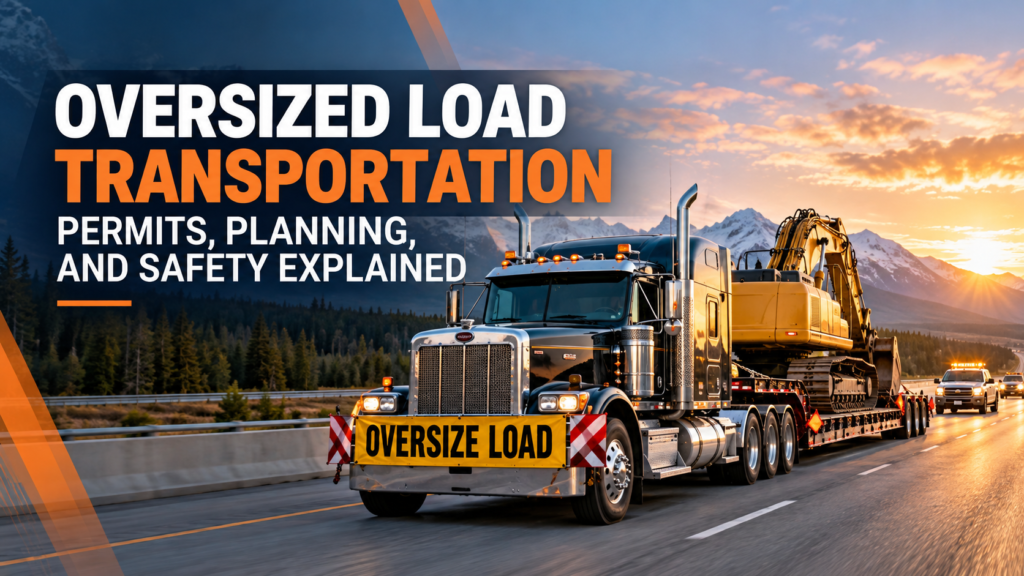
Transporting oversized freight requires careful planning, specialized equipment, and a clear understanding of transportation regulations. Unlike standard shipments, oversized loads may exceed the legal limits for width, height, length, or weight, requiring additional permits and specific transportation arrangements.
From construction machinery and industrial equipment to structural steel and large project components, these shipments often require a customized approach to ensure safe and efficient delivery.
At Lubana Trucking, we provide oversized load transportation solutions across Canada and the United States, helping businesses coordinate specialized equipment, route planning, permits, and transportation logistics. Understanding the process before your shipment moves can help prevent unnecessary delays and support a smoother delivery.
What Is Oversized Load Transportation?
Oversized load transportation involves moving cargo that exceeds the standard legal size or weight limits established by the relevant transportation authorities.
Depending on the shipment and jurisdiction, a load may qualify as oversized or over-dimensional because of its width, height, length, gross weight, or axle weight.
Common examples include:
- Construction equipment and machinery
- Industrial manufacturing equipment
- Structural steel and large metal components
- Agricultural machinery
- Oil and gas equipment
- Mining equipment
- Large tanks and industrial components
- Infrastructure and project cargo
Each shipment presents different transportation requirements. A long structural component may require a different trailer configuration from a tall industrial machine, while a particularly heavy load may need specialized equipment to distribute its weight appropriately.
Choosing the right transportation plan starts with understanding the cargo and the conditions along the intended route.
Understanding Oversized Load Permits
Permits are an important part of moving freight that exceeds applicable legal limits. Requirements vary by province, state, cargo dimensions, vehicle configuration, and planned route.
Depending on the shipment, transportation authorities may require special authorization before an oversized load can travel on public roads.
When Are Oversized Load Permits Required?
A permit may be necessary when a shipment exceeds established limits for one or more of the following:
- Width: Cargo extends beyond the permitted vehicle or load width.
- Height: The load exceeds applicable height restrictions.
- Length: The shipment or vehicle combination exceeds legal length limits.
- Weight: The vehicle or cargo exceeds permitted gross or axle weight limits.
The applicable thresholds and permit conditions differ across jurisdictions. Shippers should confirm the requirements for every province or state along the planned route rather than assuming a permit issued in one jurisdiction covers the entire journey.
What Information Is Needed for Permit Planning?
Accurate shipment information helps the transportation team determine which requirements apply.
Before arranging transportation, prepare the following details:
- Total cargo length, width, and height
- Cargo weight and weight distribution, where available
- Pickup and delivery addresses
- Preferred transportation dates
- Loading and unloading requirements
- Photographs, drawings, or equipment specifications, if available
Providing complete information early allows the logistics team to assess the shipment and identify potential restrictions before dispatch.
Lubana Trucking supports oversized freight movements with permit coordination, route planning, and transportation logistics tailored to the shipment’s requirements.
Route Planning for Oversized Freight
Route planning is one of the most important stages of oversized load transportation. The shortest route is not necessarily the safest or most practical option for a large shipment.
An oversized load may encounter bridge restrictions, low-clearance structures, narrow roads, restricted turns, construction zones, weight limitations, or other obstacles.
A route that works for a standard truck may not be suitable for a specialized heavy-haul combination.
1. Check Bridge and Road Restrictions
The transportation team should evaluate whether the proposed route can accommodate the shipment’s dimensions and weight.
Bridge capacity, road conditions, overhead structures, and other infrastructure restrictions may affect route selection.
2. Review Height and Clearance Requirements
Tall cargo requires particular attention to overhead clearances, including bridges, tunnels, signs, and utility infrastructure.
Accurate measurements of the complete loaded vehicle combination are essential when evaluating these restrictions.
3. Plan Around Road Conditions
Construction, temporary road restrictions, seasonal conditions, and traffic can affect oversized transportation.
Depending on the route and permit conditions, the shipment may need to follow a designated route or comply with specific travel restrictions.
4. Coordinate the Transportation Schedule
Some oversized movements may be subject to restrictions on travel times, days, or weather conditions.
Planning the schedule around applicable requirements helps the transportation team coordinate drivers, equipment, permits, and delivery arrangements.
Choosing the Right Trailer for an Oversized Load
Selecting suitable equipment is essential for transporting large or unusually shaped freight safely.
The right trailer depends on the shipment’s dimensions, weight, loading method, ground clearance requirements, and route restrictions.
Common trailer options include:
Flatbed Trailers
Flatbed trailers provide an open platform that allows cargo to be loaded from the side, rear, or above when appropriate equipment is available.
They are commonly used for construction materials, steel, machinery, and various industrial shipments.
Explore Lubana’s Flatbed Hauling Services to learn more about transportation solutions for heavy and oversized freight.
Step Deck Trailers
Step deck trailers have an upper deck and a lower deck. Their design can accommodate certain loads that need additional vertical clearance while remaining within applicable transportation limits.
They are useful for specific types of machinery, equipment, and industrial cargo.
Double Drop Trailers
Double drop trailers have a lowered central deck that can accommodate taller cargo when a conventional trailer configuration is unsuitable.
They are often considered for large machinery and specialized industrial equipment, subject to load dimensions, weight, and route requirements.
Multi-Axle Heavy-Haul Trailers
Multi-axle configurations can help distribute heavy loads across additional axles when properly specified. The appropriate setup depends on the cargo, vehicle configuration, applicable regulations, and engineering requirements. The transportation provider should evaluate the shipment before selecting the equipment to ensure the planned combination is suitable.
Essential Safety Measures for Oversized Load Transportation
Safety must remain a priority throughout the transportation process, from loading and securement to delivery.
Oversized freight can present additional challenges because of its dimensions, weight distribution, and impact on vehicle handling.
Proper Load Securement
Cargo must be secured using appropriate methods and equipment for its weight, shape, and characteristics.
Before departure, the load should be inspected to confirm that the securement arrangement is suitable and meets applicable requirements.
Driver Experience and Preparation
Drivers handling specialized freight need to understand the vehicle configuration, load characteristics, route restrictions, and applicable safety procedures.
Clear communication between drivers, dispatchers, and logistics coordinators helps everyone remain informed throughout the shipment.
Pilot and Escort Vehicles
Depending on the cargo dimensions, route, and local regulations, pilot or escort vehicles may be required.
These vehicles can help warn other road users, support safe movement through particular areas, and assist with visibility and traffic coordination where authorized.
The number and type of escorts required depend on the applicable permit conditions and jurisdiction.
Pre-Trip Inspections
Before departure, the transportation team should verify the vehicle and trailer configuration, load securement, permits, required safety equipment, and route arrangements.
Identifying problems before the shipment begins can help avoid interruptions during transit.
Cross-Border Oversized Load Transportation Between Canada and the USA
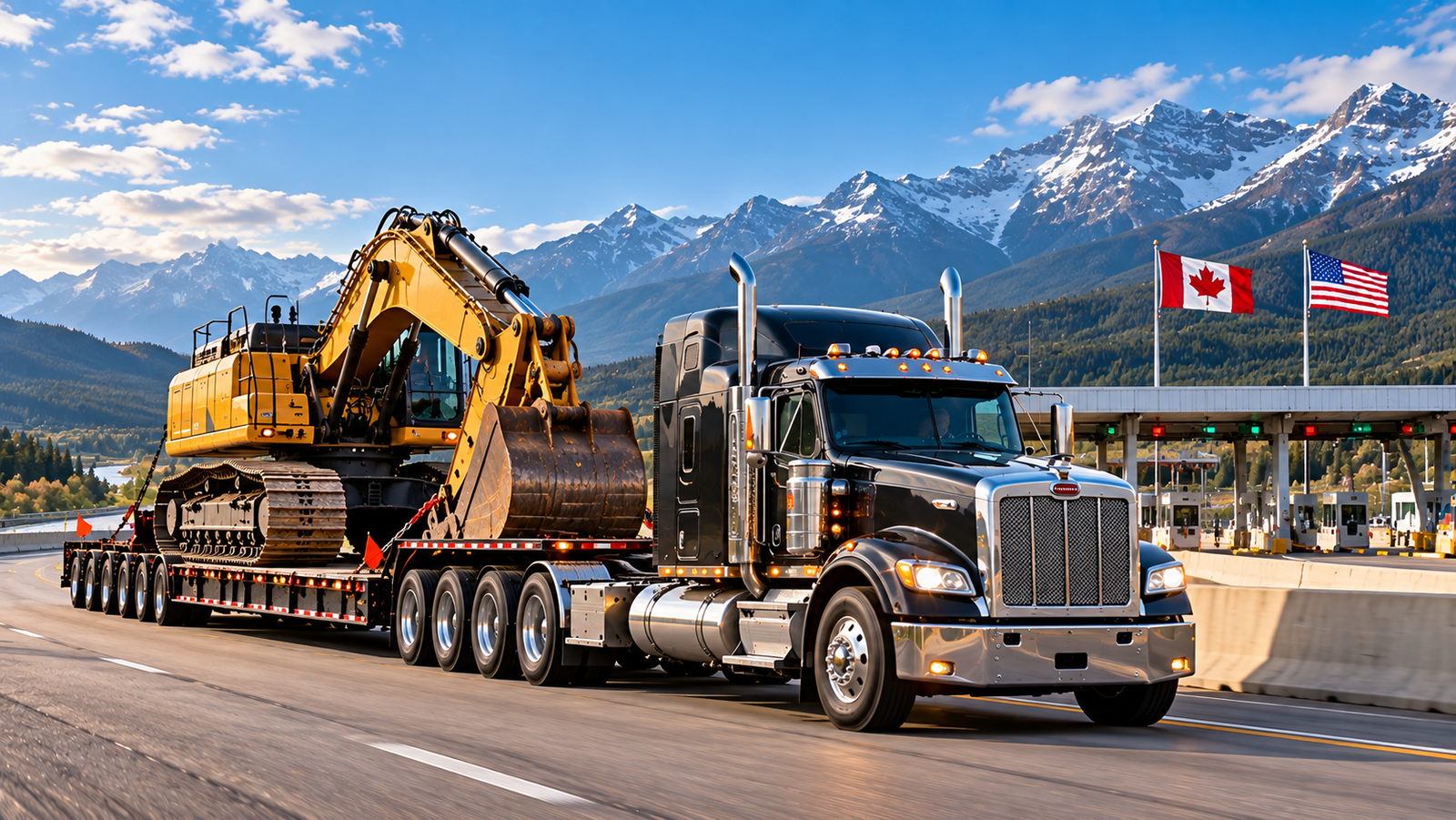
Moving oversized freight across the Canada–USA border requires coordination beyond the physical transportation of the cargo.
Shippers must account for customs documentation, applicable transportation permits, vehicle and load requirements, and the regulations governing each jurisdiction along the route.
A permit or authorization issued in one jurisdiction does not automatically satisfy the requirements of another.
Important Considerations for Cross-Border Shipments
Before arranging an international oversized shipment, businesses should confirm:
- Accurate cargo dimensions and weight
- Required provincial and state transportation permits
- Customs documentation and shipment details
- Border crossing arrangements
- Route restrictions on both sides of the border
- Escort requirements, where applicable
- Pickup, delivery, and site-access arrangements
Coordination between the shipper, transportation provider, and relevant customs or regulatory professionals helps keep the shipment organized.
Lubana Trucking supports freight transportation across Canada and the United States, with oversized transportation services and cross-border logistics coordination.
Learn more about our Oversized Load Transportation Services and how we support specialized freight movements.
Industries That Depend on Oversized Freight Transportation
Many industries rely on specialized transportation to move equipment, machinery, and components that cannot be accommodated by standard freight services.
Construction
Construction projects often require excavators, loaders, large building components, steel structures, and other heavy equipment to be transported between sites.
Oil and Gas
Energy projects may involve industrial machinery, specialized equipment, pipes, and large components that require careful route and equipment planning.
Manufacturing
Manufacturers may need to transport production machinery, fabricated structures, and oversized components between facilities or to project locations.
Mining
Mining operations depend on equipment and industrial components that can present substantial transportation challenges because of their size and weight.
Infrastructure and Industrial Projects
Large infrastructure projects may require coordinated transportation of structural components, specialized machinery, and other project cargo.
In each industry, successful transportation depends on matching the equipment and route to the shipment’s specific requirements.
Why Choose Lubana Trucking for Oversized Load Transportation?
Moving oversized freight requires coordination, preparation, and attention to detail. Businesses need a transportation partner that understands specialized cargo requirements and can help organize the different stages of the shipment.
Lubana Trucking provides oversized load transportation solutions across Canada and the United States, with support for route planning, permit coordination, specialized equipment, and escort arrangements when required.
Our transportation services support a range of freight requirements, including industrial machinery, construction equipment, heavy cargo, and over-dimensional shipments.
We also provide other transportation solutions to help businesses manage different types of freight.
Explore our complete trucking and logistics services to learn more about the transportation options available for your shipment.
How to Prepare Your Oversized Shipment
Good preparation helps the transportation provider develop a suitable plan for your cargo.
Before contacting a carrier, gather the following information:
- Measure the cargo: Record its complete length, width, and height.
- Confirm the weight: Provide the cargo’s total weight and available weight-distribution information.
- Identify the loading method: Explain whether a forklift, crane, loading ramp, or other equipment is required.
- Confirm pickup and delivery locations: Include site addresses and any access restrictions.
- Share the required timeline: Identify preferred pickup and delivery dates.
- Provide cargo photographs: Images can help the transportation team understand the shipment’s shape and loading requirements.
- Discuss special handling requirements: Mention fragile components, lifting points, securement considerations, or other relevant details.
With this information, the carrier can evaluate the shipment, identify applicable requirements, and coordinate the next steps.
Frequently Asked Questions About Oversized Load Transportation
What qualifies as an oversized load?
An oversized load is freight that exceeds the applicable legal limits for dimensions or weight in the relevant jurisdiction. The precise thresholds depend on local transportation regulations and the vehicle configuration.
Do oversized loads require special permits?
Many oversized or overweight shipments require special permits before traveling on public roads. Requirements depend on the shipment’s dimensions, weight, route, and the regulations of each jurisdiction.
Are escort vehicles required for oversized transportation?
Escort or pilot vehicles may be required depending on the load’s dimensions, route, and applicable regulations. The permit conditions determine the requirements for a particular shipment.
What equipment is used to transport oversized loads?
Depending on the cargo, transportation providers may use flatbeds, step decks, double drop trailers, or multi-axle heavy-haul equipment. The correct configuration depends on the shipment’s dimensions, weight, and loading requirements.
Can oversized freight be transported between Canada and the USA?
Yes. Oversized freight can be transported across the Canada–USA border when the shipment meets applicable customs, permit, vehicle, and transportation requirements in the jurisdictions involved.
What information should I provide when arranging oversized transportation?
Provide the cargo’s dimensions, weight, pickup and delivery locations, loading requirements, preferred timeline, and photographs or specifications where available. These details help the transportation team assess the shipment.
How can I arrange oversized load transportation with Lubana Trucking?
Visit the Lubana Trucking or explore our Oversized Load Transportation service page to learn more about our services and contact our team regarding your shipment.
Conclusion
Oversized load transportation requires more than a suitable truck and trailer. Successful shipments depend on accurate cargo information, appropriate equipment, permit coordination, route planning, securement, and compliance with applicable transportation regulations.
By addressing these requirements before dispatch, businesses can better prepare for complex freight movements and coordinate deliveries more effectively.
Lubana Trucking supports oversized and specialized freight transportation across Canada and the United States, helping businesses coordinate the logistics involved in moving large equipment, industrial machinery, construction materials, and project cargo.
Planning an oversized shipment? Contact Lubana Trucking to discuss your transportation requirements and identify the next steps for your freight.