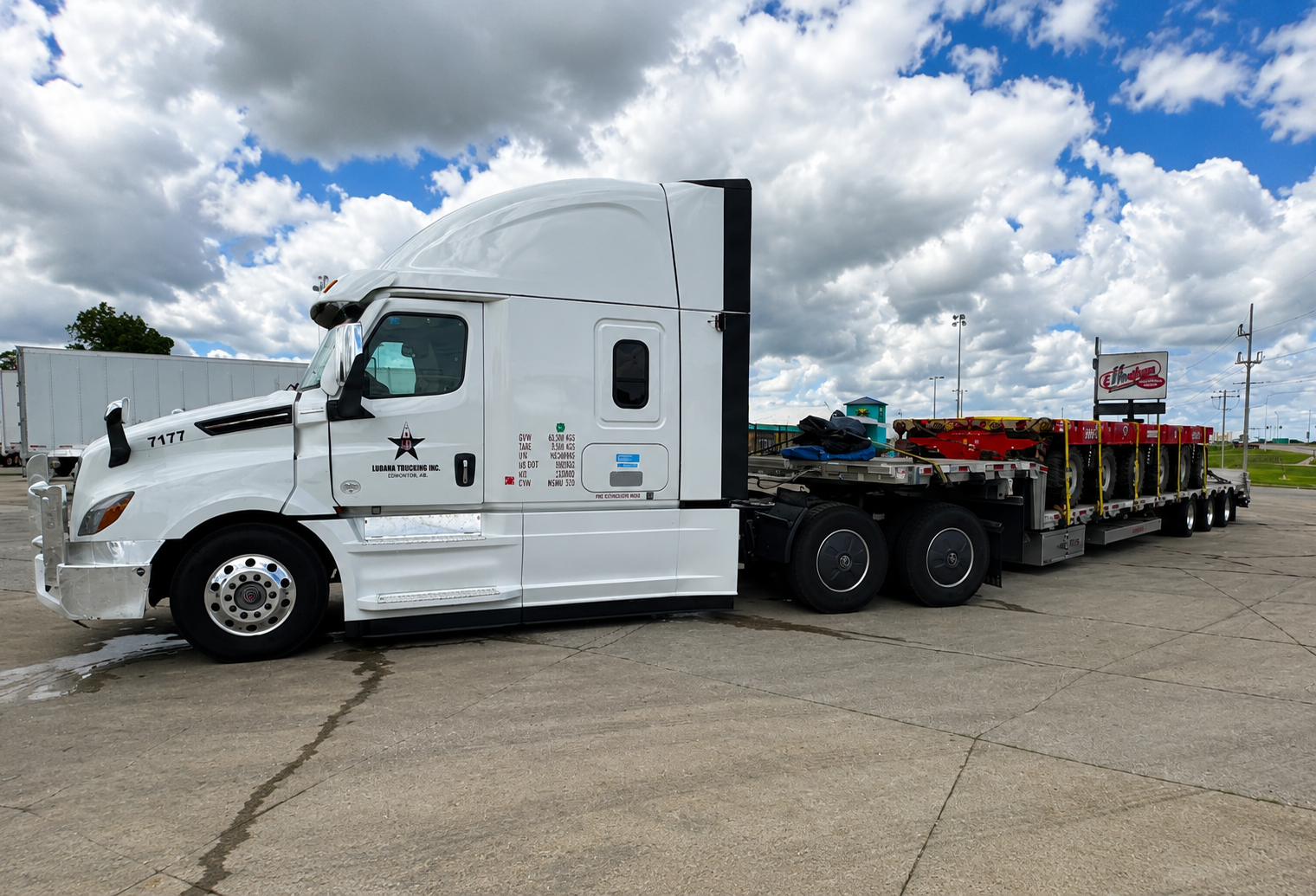

Choosing the right transportation partner plays a major role in keeping your supply chain efficient and your deliveries on schedule. Whether you ship locally within Alberta or move freight across Canada and the United States, working with an experienced Edmonton trucking company can simplify logistics and ensure your cargo reaches its destination safely.
Edmonton serves as one of Western Canada’s key transportation hubs. Its strategic location, strong highway connections, and access to major industrial sectors make it an ideal center for freight movement. From manufacturers and distributors to retailers and construction companies, businesses rely on professional freight transportation services to keep operations running smoothly.
This guide explains what an Edmonton trucking company does, how freight quotes are prepared, what information you should provide when requesting a quote, and how the shipping process works from start to finish.
What Does an Edmonton Trucking Company Do?
An Edmonton trucking company provides transportation solutions that move goods safely and efficiently between businesses, warehouses, job sites, and distribution centers. Modern logistics providers offer more than simply moving freight. They help businesses coordinate shipments, select appropriate equipment, manage documentation, and ensure deliveries stay on schedule.
Common trucking services in Edmonton include:
- Dry van transportation for general freight
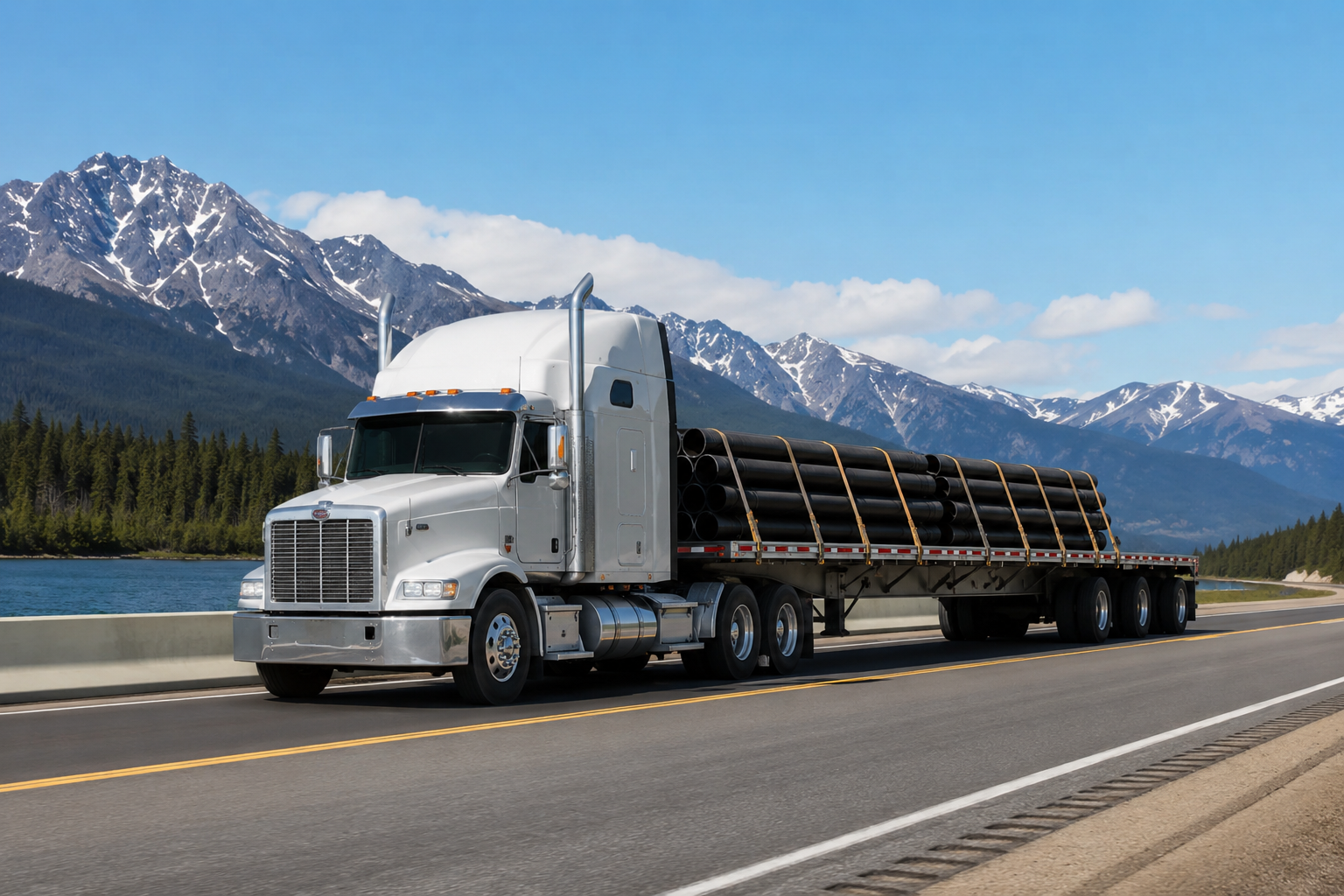
- Flatbed transportation for construction materials and oversized cargo
- Refrigerated (reefer) transportation for temperature-sensitive goods
- Heavy haul and specialized equipment transportation
- Less-than-truckload (LTL) shipping
- Full truckload (FTL) shipping
- Cross-border trucking between Canada and the United States
- Dedicated freight transportation services for ongoing business needs
Many logistics companies also coordinate shipment planning, freight tracking, scheduling, and communication throughout the transportation process, helping businesses maintain visibility over their shipments.
How Are Freight Quotes Calculated?
A freight quote is prepared after reviewing several shipment details. Rather than offering a standard rate, professional trucking companies evaluate the specific requirements of each shipment to recommend the most suitable transportation solution.
The information below commonly influences a freight quote.
| Freight Quote Factor | How It Affects the Shipment |
|---|---|
| Distance | Longer routes require more planning and transit time. |
| Freight Type | Different products require different handling methods. |
| Shipment Weight | Weight influences equipment selection and transportation planning. |
| Trailer Type | Dry vans, flatbeds, reefers, and specialized trailers serve different freight requirements. |
| Pickup and Delivery Locations | Accessibility, loading facilities, and route planning can affect operations. |
| Route Conditions | Seasonal weather, road restrictions, and construction may impact scheduling. |
| Cross-Border Requirements | International shipments require customs documentation and regulatory compliance. |
| Delivery Schedule | Standard and time-sensitive shipments require different planning approaches. |
Providing complete shipment information allows a logistics company to prepare an accurate freight quote while recommending the best transportation option for your cargo.
What Information Is Needed for a Freight Quote?
Before requesting a freight quote, it helps to have the following details available:
- Pickup location – The exact place where the freight needs to be collected from.
- Delivery destination – The final address where the shipment must be delivered.
- Freight description – A clear explanation of what goods are being shipped.
- Shipment dimensions – The size of the cargo including length, width, and height.
- Total shipment weight – The combined weight of all goods being transported.
- Number of pallets or pieces – How many pallets, boxes, or individual items are included.
- Required trailer type – The type of truck needed, such as flatbed, dry van, or reefer.
- Preferred pickup date – The date when the shipment should be collected.
- Delivery timeline – The expected or required delivery deadline.
- Special handling requirements – Any extra care needed, such as fragile, oversized, or temperature-controlled.
- Customs documentation if shipping across the Canada–USA border – Paperwork required for legal cross-border freight movement.
- Accurate shipment details – Providing correct information to ensure an accurate freight quote and smooth shipping process.
Accurate shipment details help reduce delays and ensure the appropriate equipment is assigned from the beginning.
How to Hire an Edmonton Trucking Company
Not every logistics provider offers the same level of service. Choosing the right trucking partner involves evaluating experience, operational capabilities, and communication.
Reliability
Look for a company with a proven history of delivering freight safely and consistently. Reliable scheduling helps businesses maintain inventory levels and meet customer expectations.
Safety Standards
Professional trucking companies prioritize driver training, vehicle maintenance, and compliance with transportation regulations. Strong safety practices help reduce operational risks during transit.
Industry Experience
Experience transporting different freight types allows logistics providers to recommend practical shipping solutions for a variety of industries, including manufacturing, retail, construction, agriculture, and industrial equipment.
Communication
Shipment updates and responsive customer support help businesses stay informed throughout the transportation process. Clear communication is especially valuable when managing multiple shipments or time-sensitive deliveries.
Shipment Tracking
Freight visibility allows customers to monitor shipment progress and prepare receiving teams before delivery arrives.
Regulatory Compliance
For cross-border trucking between Canada and the United States, transportation companies should understand customs procedures, documentation requirements, and applicable transportation regulations to help shipments move efficiently.
Why Edmonton Is a Major Freight Hub in Canada
Edmonton is one of Canada’s most important transportation and logistics hubs. Located along major highway corridors, the city connects businesses across Alberta, British Columbia, Saskatchewan, Manitoba, Ontario, and the United States. Its proximity to industrial parks, manufacturing facilities, distribution centers, and rail terminals makes it an ideal location for freight movement.
Many businesses choose an Edmonton trucking company because it offers efficient access to regional and long-haul shipping routes. Whether transporting construction materials, retail products, agricultural goods, or industrial equipment, Edmonton supports a wide range of freight transportation needs.
Step-by-Step Freight Shipping Process
Each shipment may vary depending on freight type, destination, and customer requirements, but these steps represent the typical transportation process followed by professional logistics companies.
| Step | Process | Comments |
|---|---|---|
| 1 | Submit shipment details and request a freight quote. | This is the starting point where you share basic freight information so the logistics team can understand your requirements. |
| 2 | The logistics team reviews shipment requirements and recommends the most suitable transportation option. | Experts analyze your cargo type, size, and route to choose the best trailer and shipping method. |
| 3 | Pickup is scheduled based on availability and delivery timeline requirements. | A pickup time is arranged that matches your schedule and delivery expectations. |
| 4 | Freight is carefully loaded and secured using the appropriate equipment for safe transport. | Proper loading ensures the cargo remains stable and protected during transit. |
| 5 | The shipment is transported to its destination while progress is monitored throughout the journey. | The freight is moved along the planned route with tracking and monitoring for visibility. |
| 6 | For cross-border shipments, customs documentation and inspection procedures are completed if required. | Required paperwork and inspections are handled to ensure smooth international transit. |
| 7 | Freight arrives at the destination and is unloaded safely at the delivery location. | The shipment is carefully unloaded to prevent any damage or handling issues. |
| 8 | Delivery is confirmed and all necessary shipment documentation is completed for records. | Proof of delivery is provided and final paperwork is completed for compliance and records. |
Why Businesses Choose Lubana Trucking
Businesses need more than transportation. They need a logistics partner that understands deadlines, communication, and dependable service.
Lubana Trucking supports businesses with professional freight transportation services across Canada and the United States. By focusing on careful shipment planning, reliable transportation, and responsive customer support, the company helps clients move freight efficiently while adapting to changing business needs.
Whether shipping full truckloads, specialized equipment, or cross-border freight, Lubana Trucking works with customers to coordinate transportation solutions that align with operational requirements.
Conclusion
Selecting the right Edmonton trucking company can improve shipping efficiency, strengthen supply chain operations, and provide greater confidence throughout the transportation process. From preparing accurate freight quotes to managing cross-border shipments and coordinating deliveries, an experienced logistics provider helps businesses move freight with greater reliability.
Whether you require regular freight transportation services, specialized equipment hauling, or cross-border trucking between Canada and the United States, working with a trusted logistics partner ensures your shipments receive the planning and attention they deserve.
If you’re planning your next shipment, contact Lubana Trucking to request a freight quote and discuss the transportation solution that best fits your business needs.
Frequently Asked Questions
An Edmonton trucking company transports freight for businesses using different trailer types and logistics solutions, including local, regional, long-distance, and cross-border transportation services.
You can request a freight quote by providing shipment details such as pickup and delivery locations, freight type, shipment dimensions, weight, preferred transportation dates, and any special handling requirements.
Cross-border shipments generally require accurate shipping documents, customs information, and compliance with transportation regulations. A logistics provider can help ensure the required documentation is prepared correctly.
Professional trucking companies commonly transport general freight, construction materials, machinery, industrial equipment, refrigerated products, oversized loads, and palletized shipments using specialized trailers.
Look for a transportation provider with industry experience, strong safety standards, reliable communication, shipment tracking capabilities, and knowledge of Canadian and U.S. transportation requirements.