
 admin
adminFreight shipping plays an important role in keeping businesses moving across Edmonton, Alberta, and beyond. Whether a company ships construction materials, industrial equipment, retail products, manufacturing goods, or temperature-sensitive freight, understanding what affects freight shipping costs helps businesses make better transportation decisions.
Many business owners search for information about freight shipping cost in Edmonton because transportation expenses directly impact profitability, delivery schedules, and customer satisfaction. However, there is no single answer because every shipment has unique requirements. Factors such as freight type, shipment size, distance, delivery timelines, equipment requirements, and border regulations all influence transportation costs.
In this guide, we will explore the major factors that affect freight shipping costs, explain different freight transportation options, discuss ways businesses can improve shipping efficiency, and help you understand what trucking companies evaluate before providing a freight quote.
What Determines Freight Shipping Cost in Edmonton?
Shipping Distance and Route
One of the biggest factors influencing freight shipping cost in Edmonton is the distance between pickup and delivery locations. Longer transportation routes generally require more fuel, driver hours, equipment utilization, and operational planning.
Route complexity also matters. Deliveries to remote locations, industrial sites, construction zones, or regions with limited transportation access often require additional logistics coordination. Freight moving between major commercial hubs typically benefits from established transportation networks and more carrier availability.
Businesses shipping throughout Canada and the United States should also consider route planning, border crossings, and delivery schedules when evaluating transportation requirements.
Type of Freight Being Transported
The type of cargo significantly impacts transportation requirements. Different products require different equipment, handling procedures, and safety measures.
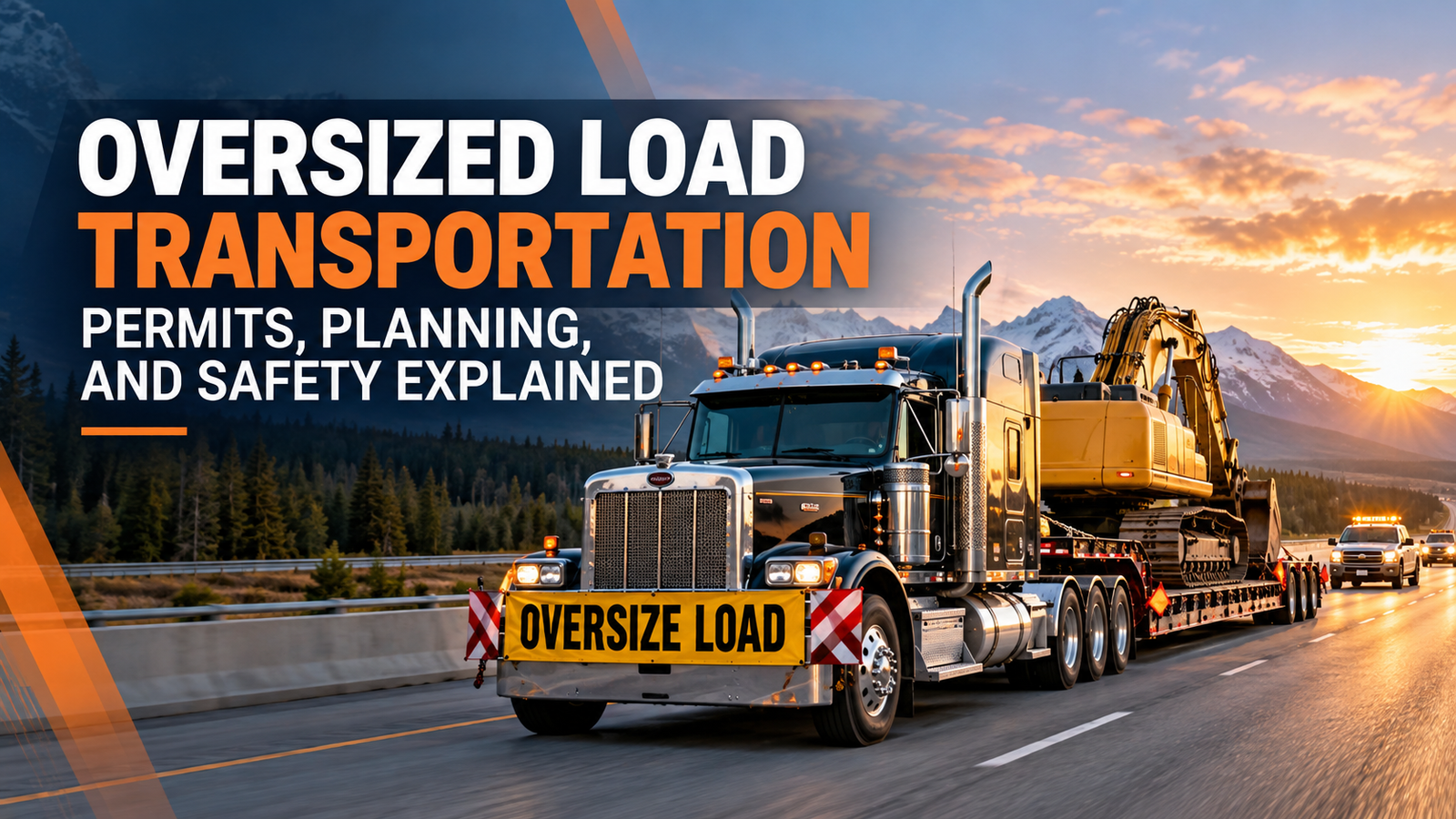
General freight transported in dry van trailers has different requirements than oversized equipment, hazardous materials, temperature-sensitive products, or heavy machinery. Specialized freight often requires additional planning, permits, securement procedures, and experienced drivers.
For this reason, trucking companies evaluate the characteristics of every shipment before providing a transportation solution.
Shipment Size and Weight
Freight dimensions and weight play a major role in determining transportation requirements. Larger shipments may require dedicated trailers, while smaller shipments may share transportation space with other freight.
Weight distribution is equally important because carriers must comply with transportation regulations and equipment limitations. Proper weight calculations help ensure safe transportation while maximizing trailer efficiency.
Businesses that provide accurate shipment information often receive more efficient transportation planning and smoother delivery processes.
Why Freight Quotes Can Vary Between Shipments
Equipment Requirements
Different shipments require different trailer types. A shipment that fits inside a standard dry van trailer has different requirements than freight that requires flatbed transportation, step deck trailers, Conestoga trailers, heated transportation, or specialized heavy-haul equipment.
The equipment selected for the shipment directly impacts transportation planning and resource allocation. Choosing the right trailer helps ensure cargo safety and delivery efficiency.
Delivery Time Expectations
Urgent shipments typically require different logistics planning compared to standard delivery schedules. Expedited transportation often involves dedicated resources and tighter scheduling requirements.
Businesses that plan shipments in advance usually have greater flexibility when selecting transportation options and coordinating freight movements.
Proper planning allows carriers to optimize routes and equipment utilization while maintaining reliable service levels.
Seasonal Demand
Freight activity fluctuates throughout the year. Construction projects, retail demand, agricultural seasons, manufacturing schedules, and weather conditions all influence transportation demand.
During periods of increased shipping activity, carrier capacity becomes an important consideration. Businesses that maintain strong relationships with reliable transportation providers often experience smoother freight operations throughout seasonal fluctuations.
Types of Freight Shipping Services Available in Edmonton
Full Truckload Shipping (FTL)
Full Truckload shipping is used when a shipment occupies most or all of a trailer. This option provides direct transportation without sharing trailer space with other shipments.
FTL shipping is commonly used for large shipments, time-sensitive deliveries, and freight requiring minimal handling during transit.
Less Than Truckload Shipping (LTL)
Less Than Truckload shipping allows multiple shipments from different businesses to share trailer space. This option works well for smaller freight volumes that do not require an entire trailer.
LTL transportation helps businesses move smaller shipments efficiently while maintaining access to professional freight services.
Specialized Freight Transportation
Certain shipments require specialized transportation solutions. Heavy equipment, industrial machinery, oversized loads, temperature-controlled products, and regulated cargo often require specialized equipment and experienced transportation partners.
Specialized freight transportation focuses on meeting the unique requirements of each shipment while maintaining safety and compliance standards.
Cross-Border Freight Shipping
Many Edmonton businesses transport goods between Canada and the United States. Cross-border freight shipping requires additional planning, documentation, customs compliance, and logistics coordination.
Working with experienced transportation providers helps businesses navigate border requirements while keeping freight moving efficiently.
Benefits of Understanding Freight Shipping Costs
Better Transportation Planning
Businesses that understand the factors affecting freight shipping costs can make more informed transportation decisions. Proper planning helps organizations choose suitable transportation solutions while avoiding unnecessary delays.
A clear understanding of freight requirements also improves communication between shippers and transportation providers.
Improved Budget Forecasting
Transportation expenses are an important part of supply chain planning. Understanding shipment requirements helps businesses forecast transportation needs more accurately and manage operational expectations.
Organizations that plan freight movements strategically often experience smoother logistics operations throughout the year.
More Efficient Supply Chains
Efficient freight transportation supports stronger supply chain performance. Businesses that align shipping schedules, inventory planning, and transportation requirements often experience fewer disruptions and better operational efficiency.
Reliable freight movement contributes to improved customer satisfaction and stronger business relationships.
Reduced Risk of Delays
When shipment details are clearly communicated from the beginning, carriers can plan routes, equipment, and delivery schedules more effectively.
Accurate freight information helps reduce unexpected complications and supports successful transportation outcomes.
Stronger Business Growth
Reliable transportation supports business growth by helping companies serve customers consistently and efficiently. Whether serving local markets, national customers, or international clients, dependable freight services play an important role in long-term success.
Businesses that invest in effective transportation planning are often better positioned to expand operations and reach new markets.
Best Practices for Managing Freight Shipping
Provide Accurate Shipment Information
Accurate shipment details help transportation providers recommend appropriate solutions. Information such as weight, dimensions, freight classification, pickup requirements, and delivery expectations contributes to effective logistics planning.
Plan Shipments Early
Advance planning provides greater flexibility and allows transportation providers to optimize resources. Early scheduling often improves coordination and supports more efficient freight movement.
Choose the Right Transportation Partner
Selecting an experienced trucking company in Edmonton is one of the most important logistics decisions a business can make. A reliable transportation partner understands route planning, equipment requirements, compliance standards, and customer service expectations.
Work with Experienced Freight Professionals
Many businesses benefit from working with experienced freight brokerage services that help coordinate shipments, identify transportation solutions, and connect freight with qualified carriers. Professional freight coordination supports smoother logistics operations and improved shipment visibility.
Common Mistakes Businesses Should Avoid
Providing Incomplete Shipment Details
Missing information can create delays during planning and transportation. Accurate details help ensure shipments are matched with appropriate equipment and transportation resources.
Waiting Until the Last Minute
Last-minute shipping requests reduce planning flexibility and may create scheduling challenges. Businesses that plan ahead often experience more efficient transportation outcomes.
Choosing Transportation Based Only on Availability
Transportation decisions should consider reliability, experience, equipment capabilities, and service quality. Selecting a transportation partner solely based on immediate availability may not always support long-term logistics goals.
Ignoring Specialized Freight Requirements
Oversized, hazardous, temperature-sensitive, and heavy freight shipments require specialized expertise. Failing to account for these requirements can create operational challenges and transportation delays.
Frequently Asked Questions
What affects freight shipping cost in Edmonton the most?
Several factors influence freight shipping requirements, including shipment size, weight, distance, equipment type, freight classification, delivery timelines, and route complexity.
Why do trucking companies ask for shipment dimensions?
Shipment dimensions help carriers determine equipment requirements, trailer capacity, and transportation planning needs. Accurate dimensions contribute to safe and efficient freight movement.
Does freight type affect transportation requirements?
Yes. Different types of freight require different handling procedures, equipment, and logistics planning. Specialized freight often requires additional transportation considerations.
What information is needed for a freight quote?
Most trucking companies request pickup location, delivery destination, shipment dimensions, weight, freight type, and scheduling requirements before preparing a transportation solution.
What is the difference between FTL and LTL shipping?
FTL uses an entire trailer for a shipment, while LTL combines multiple shipments from different customers within the same trailer.
Why is route planning important for freight transportation?
Route planning helps improve efficiency, reduce delays, and ensure shipments arrive according to schedule while maintaining safety and compliance standards.
Can freight brokers help businesses manage transportation?
Yes. Freight brokers help coordinate shipments, connect businesses with carriers, and support transportation planning across various freight requirements.
How can businesses improve freight shipping efficiency?
Businesses can improve efficiency by providing accurate shipment information, planning ahead, maintaining clear communication, and working with experienced transportation professionals.
Conclusion
Understanding freight shipping cost in Edmonton begins with understanding the many factors that influence freight transportation. Shipment size, freight type, route planning, equipment requirements, delivery expectations, and logistics coordination all play an important role in determining the most suitable transportation solution.
Businesses that focus on planning, communication, and selecting experienced transportation partners often achieve more efficient freight operations and stronger supply chain performance.
If your business needs reliable transportation support, cross-border logistics expertise, specialized freight solutions, or professional freight brokerage services, Lubana Trucking provides customized transportation solutions designed to keep freight moving efficiently across Canada and the United States.