 Lubana
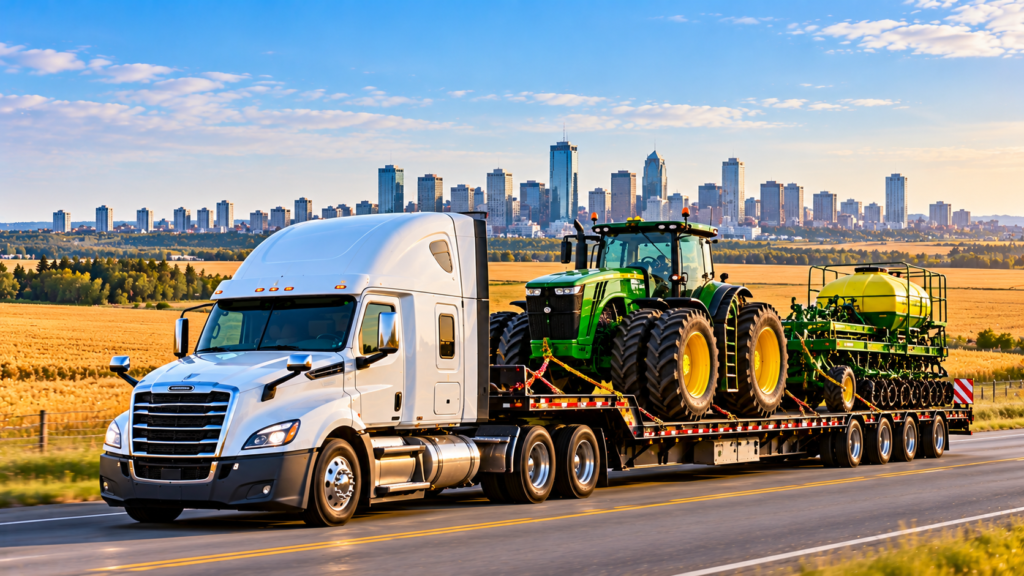
Moving agricultural machinery and supplies requires careful transportation planning. Businesses and farm operators looking for agricultural trucking in Edmonton need to consider equipment dimensions, shipment weight, loading requirements, seasonal schedules and access to rural properties.
A tractor, combine, seeder or other large piece of farm equipment may require a different transportation arrangement from smaller agricultural supplies. Attachments and removable components can also affect the overall shipment dimensions and loading process.
Agricultural transportation needs can change throughout the year. Spring planting, summer fieldwork and autumn harvesting may create busy periods when machinery needs to be moved between farms, equipment dealers, storage facilities and service locations.
This guide explains how to prepare farm machinery for transportation, choose suitable hauling equipment, plan seasonal shipments and arrange safe access to agricultural pickup and delivery sites.
1. Understanding Agricultural Trucking Requirements in Edmonton
Agricultural trucking involves transporting farm machinery, equipment, attachments and other agricultural freight between locations.
The transportation method depends on the type of cargo, its dimensions, weight and handling requirements.
Common agricultural shipments include:
- Tractors and agricultural tractors.
- Combine harvesters.
- Seeders and air drills.
- Cultivators and tillage equipment.
- Balers and hay equipment.
- Sprayers and agricultural implements.
- Grain handling equipment.
- Farm trailers and machinery attachments.
- Replacement components and agricultural supplies.
Some equipment can be transported using conventional flatbed configurations, while larger or over-dimensional machinery may require specialized trailers and additional planning.
Before arranging a shipment, identify the exact equipment being moved and determine whether it can be transported in its assembled configuration or needs to be partially dismantled.
2. Choose the Right Trucking Equipment for Farm Machinery
Selecting suitable transportation equipment is one of the most important parts of moving agricultural machinery.
The trailer must accommodate the cargo’s dimensions and weight while allowing it to be loaded and secured appropriately.
Flatbed Trailers for Agricultural Equipment
Flatbed trailers provide an open loading platform that can accommodate many types of farm machinery and agricultural components.
They may be suitable for:
- Smaller tractors.
- Agricultural attachments.
- Cultivators and implements.
- Certain seeders and equipment components.
- Farm machinery parts.
- Construction and agricultural supplies.
Open-deck transportation can make loading easier when equipment needs to be accessed from the side or overhead using suitable machinery.
However, the equipment’s height, width, length and weight must be checked before selecting a trailer.
Lubana Trucking offers flatbed hauling services for machinery, industrial equipment and other suitable freight across Canada and the United States.
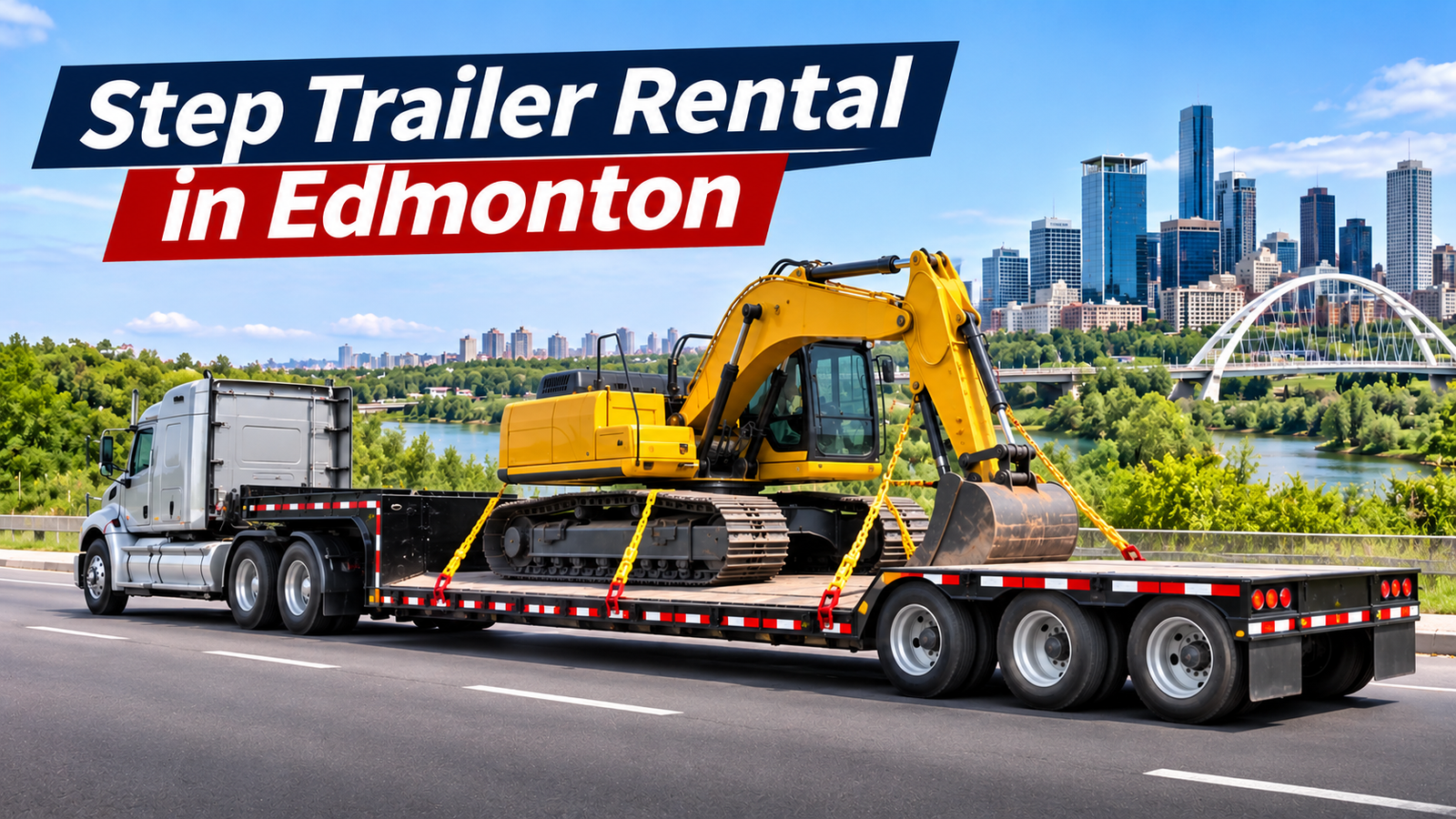
Step Deck Trailers for Taller Machinery
Some agricultural equipment may be too tall for a standard flatbed configuration once loaded.
A step deck trailer has a lower deck section that can provide additional vertical clearance compared with a conventional flatbed.
Depending on the machinery and trailer specifications, this configuration may be suitable for certain tractors, agricultural machines and other taller equipment.
The complete loaded height must be calculated before transportation. This includes the trailer deck height, machinery height and any additional components.
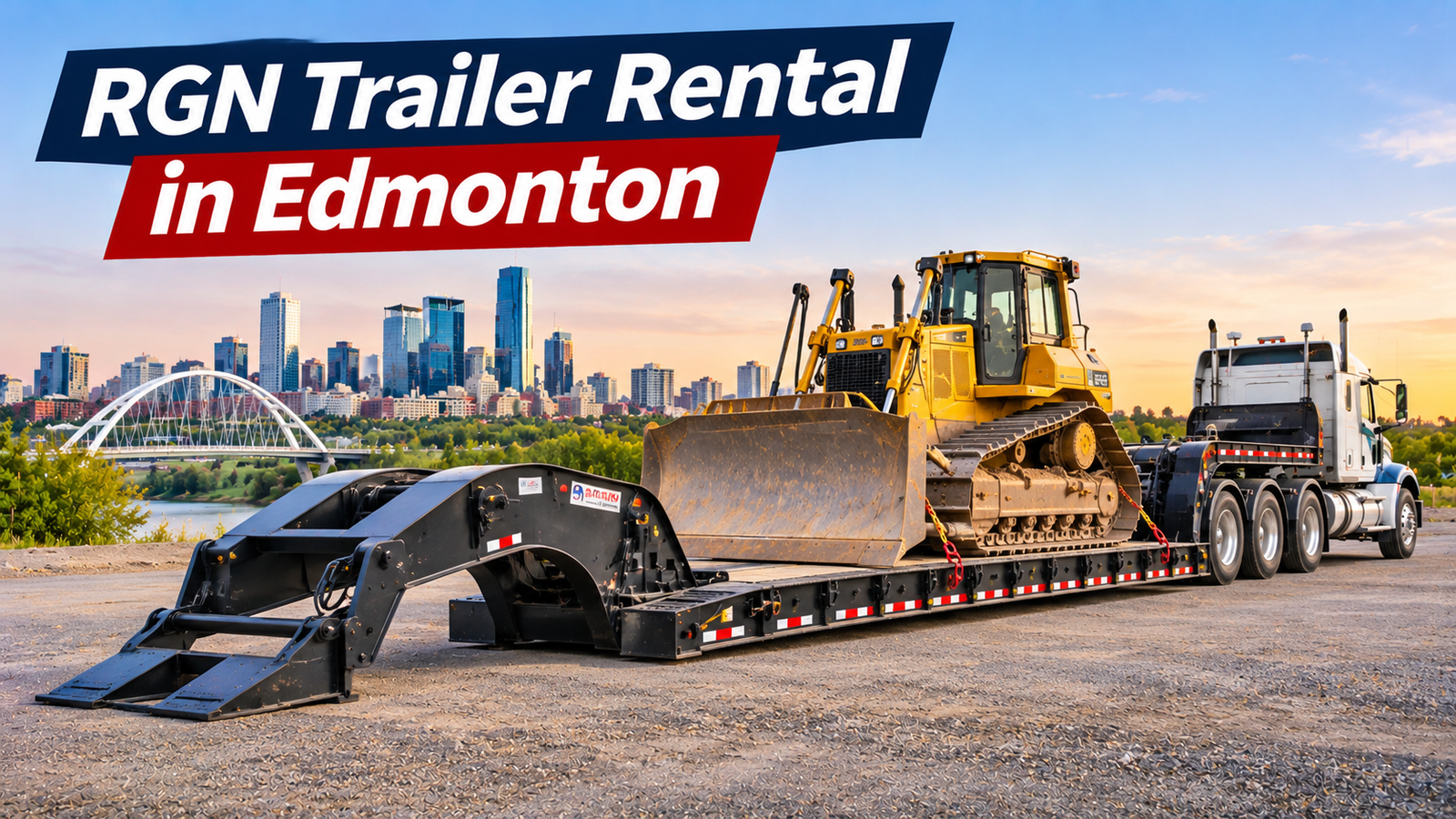
Specialized Trailers for Oversized Farm Equipment
Large combines, wide agricultural implements and other substantial machinery may exceed standard legal transportation dimensions.
Depending on the equipment, transportation may require a specialized trailer, route assessment, permits and escort arrangements.
Lubana Trucking provides oversized load transportation for qualifying over-dimensional and heavy freight.
The appropriate trailer should be selected after reviewing the equipment specifications, weight distribution and route requirements.
3. Measure Farm Equipment Before Requesting a Trucking Quote
Accurate measurements help transportation providers determine which equipment is suitable and whether additional arrangements are needed.
Do not rely only on the manufacturer’s standard equipment dimensions. Attachments, tyres, mirrors, raised components and other protruding parts can change the overall transport measurements.
Record the Equipment Length
Measure the full length of the machinery in its intended transportation configuration.
Include any components that extend beyond the main body, such as front attachments or rear implements.
If a removable attachment will be transported separately, record its dimensions as an individual shipment.
Confirm the Overall Width
Width is particularly important when moving agricultural machinery.
Large tractors, combines, seeders and other implements may exceed standard road transport dimensions.
Measure the widest point of the equipment, including tyres, tracks, attachments and protruding components.
Do not assume that folding or retracting parts will automatically bring the machinery within legal limits. Confirm the actual transport configuration.
Check the Overall Height
Measure the equipment from the ground to its highest point.
Consider:
- Exhaust systems.
- Cab structures.
- Raised booms.
- Grain tanks or extensions.
- Antennas and other protruding components.
- Trailer deck height.
The total loaded height is important when reviewing overhead clearances, bridges, power lines and other route restrictions.
Confirm the Weight
Provide the actual machinery weight whenever possible.
Also identify the weight of removable attachments, accessories and any additional cargo being transported with the equipment.
For larger machinery, weight distribution and axle loading should be reviewed when selecting the trailer.
Prepare an Equipment Measurement Sheet
A simple record can make the quoting process easier.
| Shipment detail | Information to provide |
|---|---|
| Equipment type | Tractor, combine, seeder, baler or other machinery |
| Make and model | Manufacturer and model number |
| Overall length | Full transport length |
| Overall width | Widest measurement |
| Overall height | Height in transport configuration |
| Equipment weight | Verified weight |
| Attachments | Included, removed or transported separately |
| Loading method | Drive-on, forklift, crane or other method |
| Pickup location | Farm, dealer, warehouse or storage facility |
| Delivery location | Complete destination address |
Clear information helps the transportation provider assess equipment requirements before dispatch.
4. How to Prepare Farm Machinery Before Transportation
Farm equipment often contains moving parts, removable attachments and components that need to be secured before loading.
Proper preparation helps reduce handling problems and makes the loading process more predictable.
Remove or Secure Attachments
Some implements may need to be removed before transportation to meet width or height requirements.
Depending on the machinery, this could include:
- Front-end attachments.
- Seeder components.
- Header assemblies.
- Booms.
- Extensions.
- Removable accessories.
If attachments are transported separately, list each item and provide its dimensions and weight.
Secure Loose Components
Inspect the equipment for loose parts that could move during loading or transportation.
Secure removable components according to the manufacturer’s instructions and the transportation plan.
Fold or retract movable sections only where the equipment is designed to do so.
Check Fuel and Fluid Requirements
Follow the manufacturer’s instructions and the carrier’s requirements for fuel, batteries, hydraulic systems and other fluids.
Check for leaks before loading and identify any special handling requirements.
Prepare Tyres and Tracks
Inspect tyres, tracks and other contact points.
Make sure the equipment is in a suitable condition for the intended loading method.
If the machinery is not operational, inform the transportation provider before booking. Non-operational equipment may require different loading arrangements.
Provide Operating Instructions
If the equipment needs to be driven onto a trailer, make sure the operator understands the loading procedure.
For machinery that cannot move under its own power, confirm whether a suitable loading ramp, winch, crane or other equipment is required.
5. Plan Agricultural Trucking Around Seasonal Requirements
Agricultural operations follow seasonal schedules. Equipment movements often become more time-sensitive before planting, during harvesting and when machinery is being relocated between properties.
Planning transportation ahead of these periods can help businesses coordinate equipment availability and delivery arrangements.
Spring Planting Season
Spring is an important period for preparing machinery and moving equipment to farms.
Tractors, seeders, air drills and other planting equipment may need to be transported from dealers, storage locations or repair facilities.
Before arranging transportation:
- Confirm the machinery is ready for collection.
- Check its dimensions and weight.
- Identify the required delivery location.
- Confirm that the farm site is accessible.
- Arrange suitable unloading equipment.
- Allow time for route and permit planning if the machinery is oversized.
Summer Agricultural Operations
During summer, agricultural equipment may need to move between farms, fields, storage locations and service facilities.
Some machinery may be relocated as work progresses or transported for repairs and maintenance.
Provide the transportation company with the exact pickup and delivery locations. Farm access roads and field entrances should be checked before dispatch.
Autumn Harvest Season
Harvesting can create additional demand for machinery transportation.
Combines, grain handling equipment and other agricultural machinery may need to move between properties or to storage locations after fieldwork.
If equipment must arrive before a specific operational deadline, communicate the required delivery date early and confirm the available transportation schedule.
Winter Storage and Equipment Relocation
Winter may involve moving machinery to storage facilities, equipment dealers or maintenance locations.
Weather and road conditions should be considered when planning transportation during colder months.
Confirm access to both sites and communicate any restrictions that could affect loading or unloading.
6. Consider Farm Access and Rural Delivery Conditions
A suitable trailer is only one part of an agricultural machinery shipment. The pickup and delivery locations must also accommodate the truck and equipment.
Farm properties can have access conditions that differ from commercial warehouses and industrial facilities.
Check Farm Entrance Width
Measure the entrance and identify any gates, fences or structures that could restrict access.
The entrance must accommodate the complete truck and trailer combination, not just the machinery being transported.
Review Turning Space
Large trailers require enough room to manoeuvre safely.
Check whether there is adequate space near the entrance, loading area and unloading point.
Narrow farm lanes, sharp turns and soft shoulders should be identified before dispatch.
Check Road and Ground Conditions
Rural roads and private farm access routes may have seasonal restrictions or changing ground conditions.
Consider:
- Gravel road conditions.
- Soft or muddy surfaces.
- Snow and ice.
- Uneven ground.
- Narrow bridges.
- Weight restrictions.
- Low overhead clearance.
If a route includes restricted roads or difficult site access, discuss alternative arrangements with the transportation provider.
Confirm Unloading Arrangements
Before the truck arrives, make sure the destination is ready to receive the machinery.
Confirm whether unloading requires:
- A loading ramp.
- A forklift.
- A crane.
- A suitable tractor or other operating machinery.
- Additional personnel.
The transportation provider should know about any special unloading requirements before the shipment is booked.
7. Permits and Route Planning for Oversized Agricultural Equipment
Some agricultural machinery exceeds standard legal road dimensions or weight limits when loaded onto a trailer.
These shipments may require permits and additional transportation arrangements under applicable provincial regulations.
The requirements depend on the equipment, loaded dimensions, weight, axle configuration and proposed route.
Before moving oversized agricultural machinery in Alberta, review the following:
Confirm the Loaded Dimensions
The relevant measurements are the complete loaded dimensions, including the trailer and cargo.
Do not calculate permit requirements using the machinery dimensions alone.
Review Weight and Axle Distribution
Total weight and axle loading must be assessed against the applicable transportation requirements.
The transportation provider should have the necessary shipment details to determine whether a special arrangement is required.
Assess the Proposed Route
Route planning should consider:
- Bridge clearances.
- Road restrictions.
- Construction zones.
- Overhead obstructions.
- Seasonal road conditions.
- Access to the farm or delivery property.
A route that works for a standard truck may not be suitable for a wide or tall agricultural load.
Confirm Permits and Escort Requirements
Depending on the shipment and applicable regulations, permits or pilot vehicles may be required.
Businesses should confirm who is responsible for obtaining permits and coordinating any required escorts before dispatch.
For Alberta-specific requirements, consult the Government of Alberta’s transportation and commercial vehicle information.
8. What Affects Agricultural Trucking Costs in Edmonton?
Agricultural machinery transportation costs depend on the equipment, route and services required.
There is no single rate that applies to every tractor, combine or farm attachment.
Common pricing factors include:
| Cost factor | How it affects the quote |
|---|---|
| Equipment dimensions | Wider, taller or longer machinery may require specialized transportation. |
| Equipment weight | Heavy machinery can affect trailer selection and axle requirements. |
| Transportation distance | Pickup and delivery locations influence the overall rate. |
| Trailer type | Flatbed, step deck and specialized trailers have different operating requirements. |
| Loading method | Crane loading, winching or other special arrangements may add costs. |
| Permits | Oversized or overweight shipments may require permits. |
| Escort requirements | Certain loads may require pilot or escort vehicles. |
| Route conditions | Restrictions, access issues and seasonal conditions can affect planning. |
| Scheduling | Time-sensitive transportation may affect availability and pricing. |
| Additional services | Detention, special handling or other requested services may involve additional charges. |
How to Get a More Accurate Agricultural Trucking Quote
Provide complete shipment information when contacting a transportation provider.
Include:
- Equipment make and model.
- Overall length, width and height.
- Total weight.
- Attachment details.
- Pickup and delivery addresses.
- Preferred transportation dates.
- Loading and unloading arrangements.
- Any known route or site restrictions.
Accurate information helps the provider assess the shipment and identify possible additional requirements before confirming a price.
9. Common Mistakes to Avoid When Transporting Farm Equipment
Agricultural machinery can be expensive and difficult to move. Avoiding basic planning mistakes can help prevent unnecessary delays and transportation complications.
Using incorrect equipment measurements: Always measure the complete transport configuration, including attachments and protruding components.
Booking before confirming loading arrangements: Make sure the machinery can be driven, lifted or winched onto the selected trailer.
Ignoring seasonal access conditions: Mud, snow and soft ground can affect access to rural properties.
Forgetting removable attachments: Record attachments separately if they will be transported as individual items.
Leaving permit arrangements until the last minute: Oversized shipments may require additional planning and approvals.
Not checking the delivery site: Confirm that the truck and trailer can reach the unloading location.
Providing incomplete shipment information: Missing weight or dimension details can lead to an unsuitable equipment selection or revised quote.
Waiting until peak agricultural periods to arrange transport: Plan ahead when machinery must arrive before planting, harvesting or another time-sensitive operation.
10. Why Consider Lubana Trucking for Agricultural Transportation in Edmonton?
Lubana Trucking is based in the Edmonton area and provides freight transportation services across Alberta, Canada and the United States.
Its published Edmonton service information identifies agriculture as one of the industries it supports, including transportation of farm equipment and seasonal agricultural freight.
The company’s published transportation services include:
- Flatbed hauling: For suitable farm machinery, agricultural attachments and equipment components.
- Over-dimensional transportation: For qualifying agricultural machinery that requires specialized equipment and route planning.
- Freight brokerage: For coordinating transportation through its carrier network.
- Project management: For freight movements requiring additional planning and coordination.
Lubana also lists dry van and temperature-controlled reefer transportation among its broader services. The appropriate service depends on the cargo and its handling requirements.
For agricultural machinery, the first step is to provide the equipment specifications, pickup and delivery locations and preferred transportation dates. Lubana can then review the requirements and discuss available transportation arrangements.
Contact Lubana Trucking
- Phone: +1 (877) 758-2262
- Email: sales@lubanatrucking.com
- Website: https://lubanatrucking.com/
When requesting a quote, include the equipment make and model, dimensions, weight, attachment details, loading method and delivery location.
Frequently Asked Questions About Agricultural Trucking in Edmonton
What types of farm equipment can be transported by truck?
Depending on the equipment dimensions, weight and loading requirements, agricultural trucking may involve tractors, combines, seeders, cultivators, balers, sprayers, farm trailers and machinery attachments.
How do I prepare a tractor for transportation?
Confirm the tractor’s dimensions and weight, secure loose components, remove or prepare attachments where necessary and follow the manufacturer’s loading instructions. Inform the transportation provider if the tractor is not operational.
Can agricultural attachments be transported separately?
Yes. Attachments can be arranged as separate freight items when the transportation equipment and loading arrangements are suitable. Provide individual dimensions and weights for each attachment.
Does farm equipment transportation require special permits in Alberta?
Some agricultural machinery may exceed standard legal road dimensions or weight limits when loaded for transportation. Depending on the shipment and route, permits or escort vehicles may be required. Confirm the applicable requirements before dispatch.
What information is needed for an agricultural trucking quote?
Provide the equipment type, make and model, overall dimensions, weight, attachment details, pickup and delivery addresses, loading method and preferred transportation dates.
When should I book agricultural machinery transportation?
Arrange transportation as early as practical, especially before spring planting and autumn harvesting periods. Early planning gives more time to confirm equipment availability, loading arrangements, route requirements and delivery schedules.
Can farm equipment be delivered to rural properties?
Transportation to a rural property depends on truck access, road conditions, entrance dimensions, turning space and unloading arrangements. Provide the complete delivery address and site details before booking.
Does Lubana Trucking provide agricultural transportation in Edmonton?
Lubana identifies agriculture as an industry it supports through its Edmonton transportation services. Its published offerings include flatbed and oversized transportation, which may be suitable for qualifying farm machinery and attachments. Confirm the equipment, route and availability for your shipment before booking.
Final Thoughts
Agricultural trucking in Edmonton requires careful planning around machinery dimensions, equipment selection, loading arrangements, seasonal schedules and rural site access.
Before booking, measure the complete shipment, identify the required trailer and confirm that the pickup and delivery locations can accommodate the transportation equipment. For oversized machinery, review the applicable permits and route requirements in advance.
Whether you are moving a tractor, combine, seeder or agricultural attachment, accurate shipment details help the transportation provider assess the requirements and prepare a suitable hauling arrangement.
Need to move farm equipment in Alberta? Contact Lubana Trucking with your machinery specifications, pickup location and destination to discuss available transportation options and request a quote.